IEA's Oil Reserve Release Buys Time, But Not a Solution
- The IEA has requested member states release 400 million barrels from strategic reserves, more than double the volumes released after Russia's invasion of Ukraine
- The Strait of Hormuz handles roughly 20 per cent of the world's oil, and exports have dropped sharply following escalating hostilities between the US, Israel and Iran
- 400 million barrels represents only three to four days of global consumption at current rates of 100 million barrels per day
- IEA member states must maintain reserves equivalent to 90 days of national oil consumption under treaty obligations
The International Energy Agency is deploying its largest ever weapon against soaring oil prices, but it will buy the global economy perhaps four days of breathing room. The 400 million barrel release from strategic reserves responds to military strikes between the US, Israel and Iran that have choked off flows through the Strait of Hormuz. What happens when that cushion runs out remains deeply uncertain.
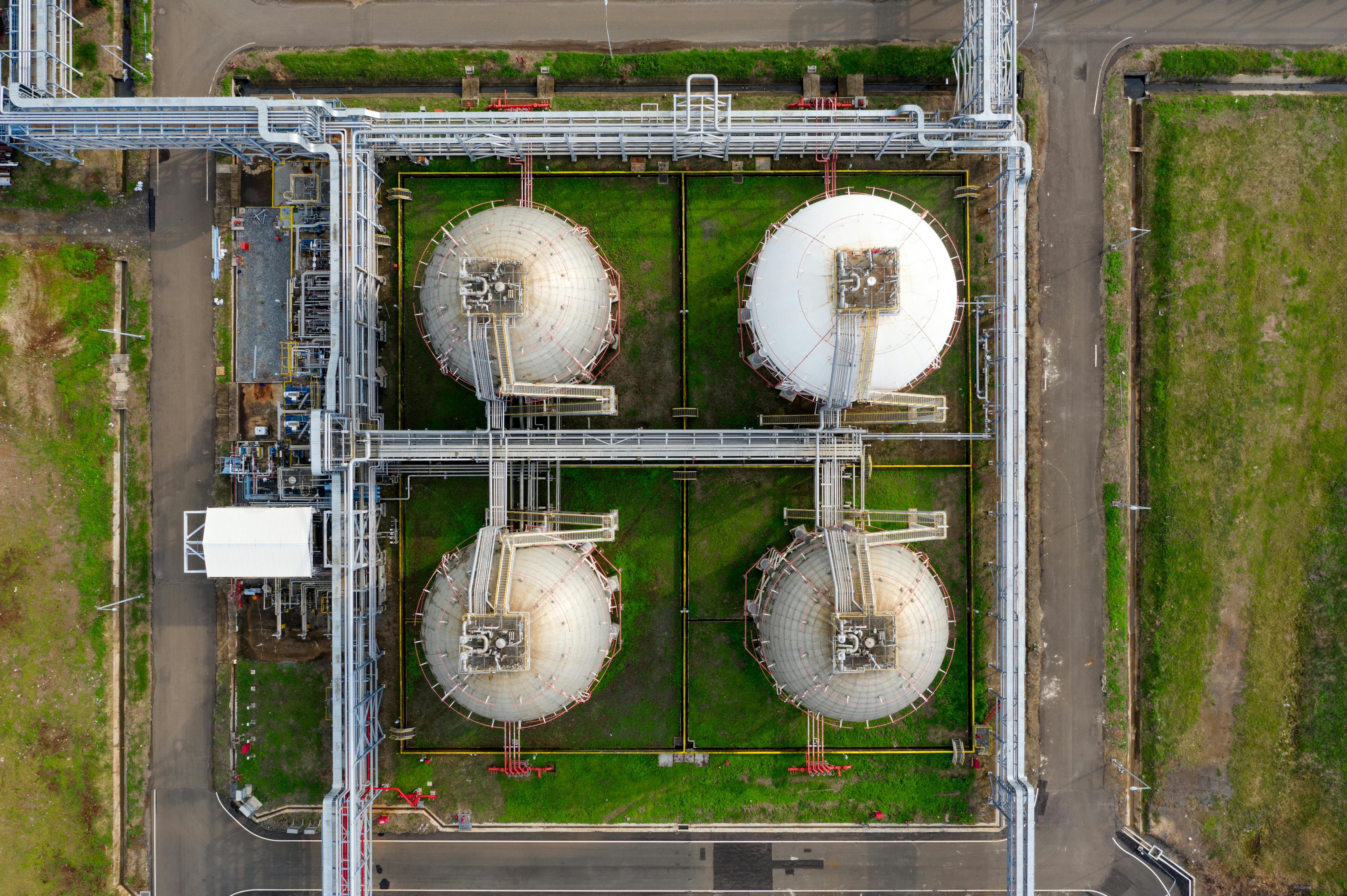
The scale of the release reflects the severity of the supply shock. Exports through the Strait of Hormuz have dropped sharply following the escalation of hostilities, though exact figures remain difficult to verify amid the fog of conflict. Prices spiked initially before stabilising somewhat as markets priced in the anticipated reserves release.
Strategic reserves exist for exactly this scenario: sudden supply disruptions that threaten economic stability. Yet burning through 400 million barrels to address a conflict with no clear path to de-escalation raises uncomfortable questions about what comes next. These stockpiles represent years of accumulated insurance that cannot simply be refilled with a phone call to a supplier.
Enjoying this article?
Get stories like this in your inbox every week.
The maths of emergency buffers
Germany's economy minister has confirmed Berlin will participate in the release, citing the IEA's principle of mutual solidarity. Austria and Japan have also committed to opening their reserves. The G7 has backed the move 'in principle', with all 32 IEA member states required to agree for the full 400 million barrels to flow.
Four hundred million barrels sounds substantial until you measure it against global consumption of roughly 100 million barrels per day.
That delivers three to four days of worldwide supply, or about a fortnight's worth of what normally transits the Strait of Hormuz under peaceful conditions. If the current disruption persists beyond a few weeks, this intervention becomes a very expensive gesture.
Under IEA treaty obligations, member states must maintain reserves equivalent to 90 days of their national oil consumption. Drawing down 400 million barrels represents a meaningful bite from that cushion. More importantly, these reserves are physically distributed across terminals and refineries operated by companies like Shell and BP, not sitting in a single tap that can be turned on and off at will.
From crude to the forecourt

What's interesting here is the gap between releasing crude oil from strategic storage and actually delivering relief at petrol pumps. Energy analysts have pointed to a shortage of refining capacity as a critical bottleneck. Crude released from reserves must still be processed into usable fuel products, and global refining infrastructure has been running close to capacity for months.
This means the impact on consumer petrol prices may be more muted and slower than politicians hope. Markets will see additional supply and adjust futures prices accordingly, but translating that into lower costs for drivers in Birmingham or Berlin depends on refinery throughput, distribution networks, and retailer margins. The reserves release addresses one part of the supply chain, not the whole system.
Nick Butler, former head of strategy at BP, has emphasised the fundamental constraint: once you release these reserves, they cease to exist as a buffer. The IEA and its members are essentially betting that either the Strait of Hormuz reopens relatively quickly or that alternative supply routes and production adjustments can fill the gap before reserves deplete to dangerously low levels.
What the market is pricing in
Oil markets have shown relative calm following news of the reserves release, suggesting traders believe either the supply disruption will prove temporary or that the combined IEA response will stabilise prices sufficiently to prevent panic. Neither assumption is necessarily correct.
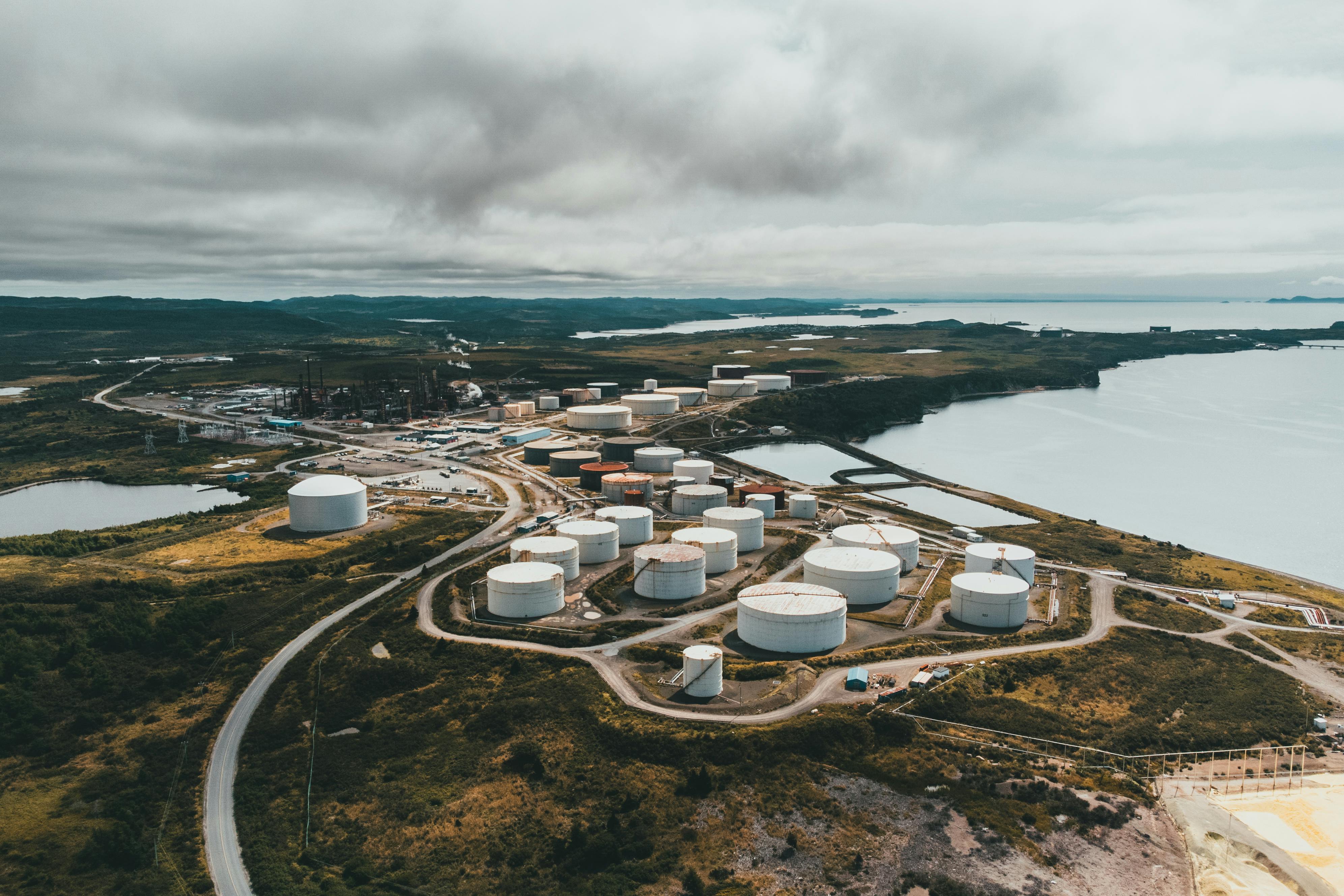
The 2022 reserves release following Russia's invasion helped moderate prices but did not prevent sustained elevation in energy costs throughout that year. The current situation involves a more critical chokepoint, with the Strait of Hormuz carrying far more volume than Russian exports alone, and a conflict zone with less predictable dynamics.
Governments are making a calculated gamble that the economic damage from doing nothing exceeds the risk of depleting strategic reserves before the crisis resolves.
That calculation may prove sound if diplomatic or military developments bring a swift end to hostilities. If not, the world's energy security cushion will be significantly thinner just as it may be needed most. The next few weeks will determine whether this was prudent crisis management or a very expensive miscalculation.
- The effectiveness of this intervention depends entirely on whether the Strait of Hormuz crisis resolves within weeks, not months – a timeline that looks increasingly optimistic given the complexity of Middle Eastern geopolitics
- Refining capacity constraints mean consumers may not see rapid relief at the pump, even as crude reserves enter the market
- Watch for announcements about reserve refilling plans from IEA members – their absence would signal governments expect prolonged disruption and are prioritising immediate stability over future preparedness

Co-Founder
Multi-award winning serial entrepreneur and founder/CEO of Venntro Media Group, the company behind White Label Dating. Founded his first agency while at university in 1997. Awards include Ernst & Young Entrepreneur of the Year (2013) and IoD Young Director of the Year (2014). Co-founder of Business Fortitude.
Comments
💬 What are your thoughts on this story? Join the conversation below.
to join the conversation.