London Tube Strikes Threaten Hospitality: Will Operators Adapt or Falter?
- Bookings dropped 67% and walk-ins fell nearly 70% during September's tube strikes, according to Access Hospitality data
- 12 strike days confirmed between 24 March and 21 May, each lasting 24 hours from midday
- Rail and tube strikes have cost UK hospitality an estimated £4bn since 2022
- £300m business rates relief announced in October's Budget explicitly excludes restaurants and hotels
The numbers from September tell a stark story: bookings down 67 per cent, walk-ins collapsing by nearly 70 per cent. With 12 strike days now confirmed between March and May, London's hospitality operators face a question more pressing than simply bracing for impact: what are they actually going to do differently this time? The strikes begin on 24 March and continue through to 21 May, hitting six dates across three months in a sustained pattern that threatens to reshape customer behaviour long after the industrial action ends.
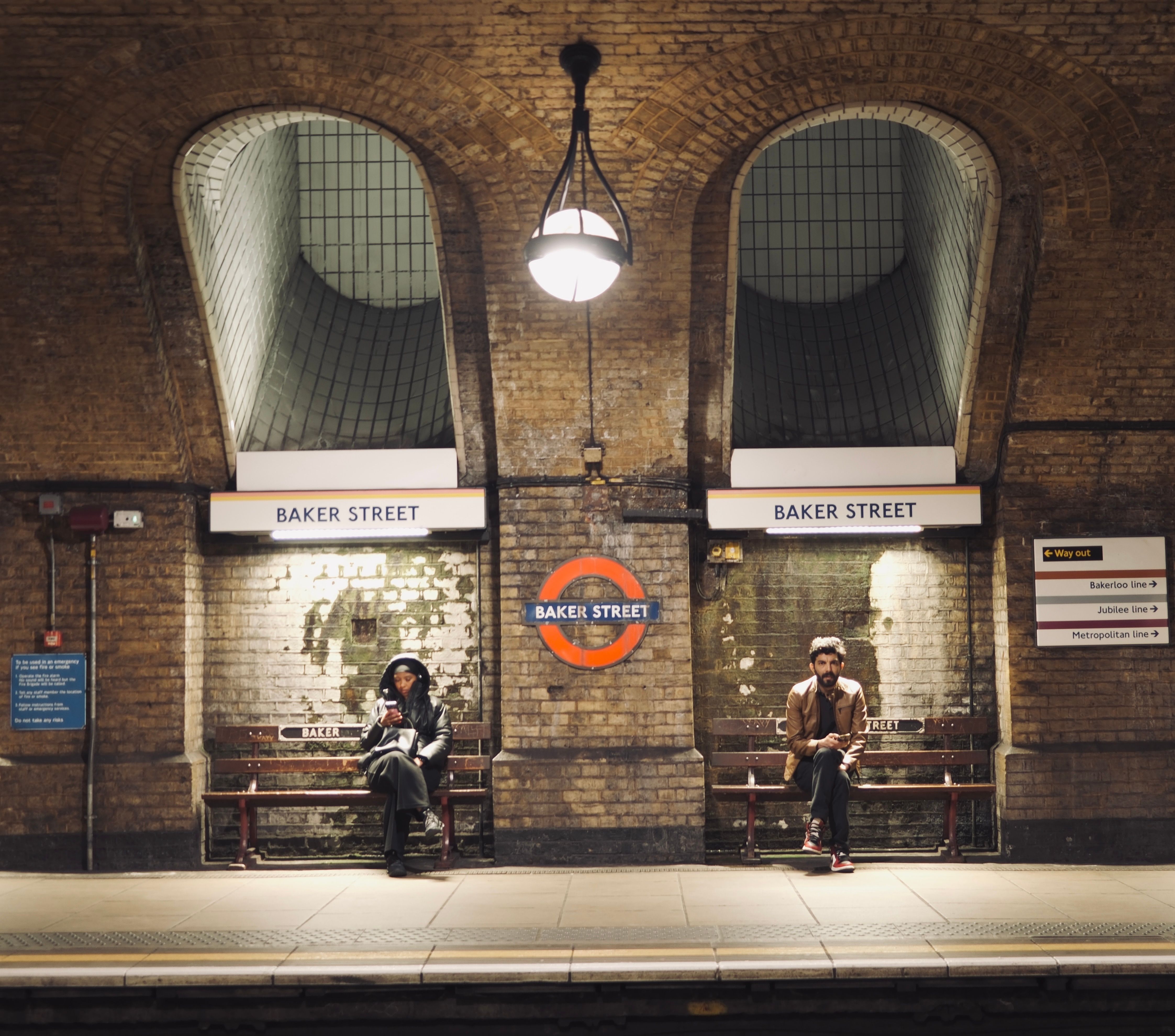
Each strike will last 24 hours, starting at midday. Unlike previous one-off disruptions, this sustained pattern threatens to reshape customer behaviour in ways that could outlast the industrial action itself. What makes this particularly instructive for hospitality operators is that they now have recent data to work with.
According to Access Hospitality's intelligence, the impact extends well beyond the strike days themselves, with advance bookings dropping as customers hedge against travel chaos. Walk-in trade, which many venues rely on to top up covers, essentially evaporates. The strategic challenge now is whether operators will use September's lessons to mount an effective response or simply document their losses more accurately.
Enjoying this article?
Get stories like this in your inbox every week.
The irony of the four-day week dispute
The strikes stem from Transport for London's proposal to move tube drivers onto a four-day working week. Union members have rejected the plan, citing concerns over fatigue and working time arrangements. The irony won't be lost on hospitality operators who have spent the past several years struggling to attract and retain staff, with work-life balance and unsociable hours consistently cited as deterrents.
Whilst tube drivers strike over the terms of reduced working days, restaurant and hotel staff across the capital will find themselves unable to reach their workplaces at all.
Kate Nicholls, chair of UK Hospitality, highlighted this secondary impact: commuter footfall disappears, families cancel plans, but the operational headache extends to staff who simply cannot get in. Venues face the prospect of both revenue collapse and operational paralysis. For many operators, the question of whether to open at all on strike days becomes a calculation of fixed costs versus minimal projected revenue.

Champa Magesh, managing director at Access Hospitality, pointed out that the timing couldn't be worse. Spring represents a crucial trading period as venues move out of the January doldrums and into the stronger Easter and early summer season. The uncertainty factor matters as much as the actual disruption.
Spontaneous bookings dry up, last-minute reservations vanish, and no-shows increase as customers book multiple options as insurance. The cumulative effect across six dates threatens to undermine what should be one of the sector's strongest quarters.
Compounding pressure from the Budget
This disruption arrives whilst hospitality businesses are still digesting the implications of October's Budget. Chancellor Rachel Reeves announced £300m in business rates relief for pubs, a concession secured after landlords barred Labour MPs from establishments across the country. The emergency package, however, explicitly excludes restaurants and hotels.
The result is a two-tier support system at precisely the moment when both segments face identical external shocks. A pub in Soho receives rates relief whilst the restaurant three doors down gets nothing, despite both losing the same percentage of covers during strike days. Ruth Duston, chief executive of the London Heritage Quarter, noted that repeated disruption puts "real pressure on operations, footfall and productivity" across all business types.
With six confirmed dates over three months, the question becomes whether to maintain normal staffing and inventory levels, knowing that certain days will generate minimal revenue, or to scale back operations and risk being caught short if customer behaviour proves more resilient than expected.
For operators, this creates a strategic planning challenge with no clear answer. The balance between operational readiness and cost management becomes increasingly difficult to strike when the disruption follows a predictable but extended pattern.
What the data actually shows
The September figures from Access Hospitality require some qualification. The "up to 67 per cent" drop in bookings and "nearly 70 per cent" collapse in walk-ins likely represent peak impacts rather than averages across all venues and strike days. The firm hasn't published sample sizes or methodology, so operators should treat these as indicative rather than definitive.
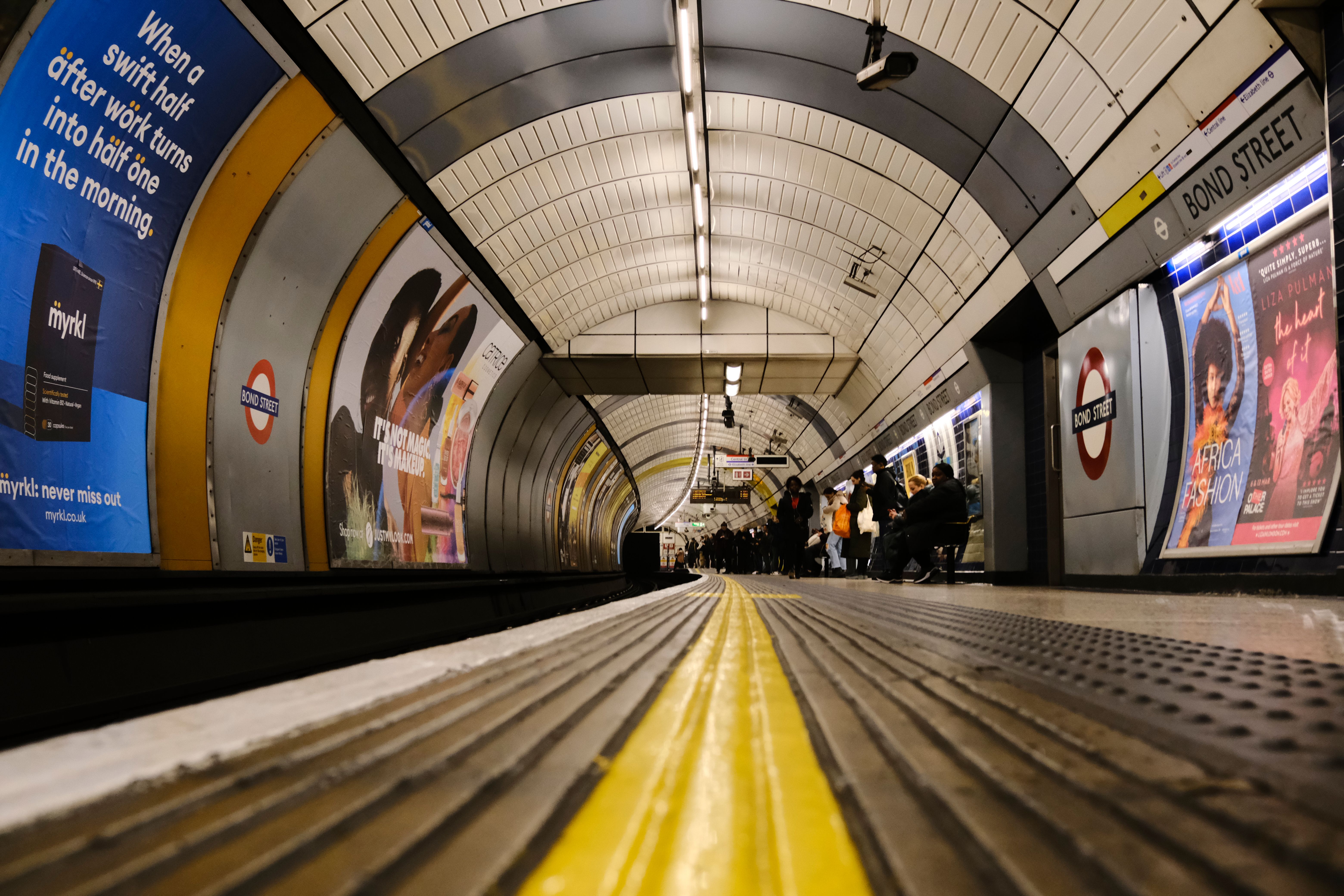
Still, even if the actual impact proves half as severe, that represents a material revenue hit during what should be strong trading weeks. What hospitality operators learned from September is that the impact cascades. The strike day itself generates the immediate revenue loss, whilst the days before see cancellations and booking hesitancy.
Recovery takes time as customers rebuild confidence in their ability to travel reliably. Multiply that pattern across six dates in three months, and you start to see potential shifts in habitual behaviour. Will customers who switch from central London venues to local alternatives during March simply stay local through the spring? That behavioural shift could prove the most damaging legacy of the industrial action.
The strategic response from hospitality businesses will likely vary by segment and location. Tourist-dependent venues in the West End face different calculations than neighbourhood restaurants in zones three and four. Hotels must weigh cancellation policies against the risk of empty rooms, whilst venues with significant advance booking patterns have more runway to communicate with customers than those relying on spontaneous trade.
The RMT and TfL remain in negotiations, but with strike dates confirmed and union members having voted for action, hospitality operators cannot bank on a last-minute resolution. Rail and tube strikes have cost the UK hospitality sector an estimated £4bn since 2022, and some venues have already begun cutting staff hours and adjusting operations in preparation. The sector has data from September, three months to prepare, and clarity on which specific days will be affected. Whether that translates into effective contingency planning or simply well-documented losses will become clear from late March onwards.
- Hospitality operators must decide now whether to maintain normal operations and accept losses on strike days, or scale back and risk missing revenue if impact proves less severe than predicted
- Watch for behavioural shifts beyond the strike dates themselves—customers switching to local venues during March may not return to central London through spring, creating lasting revenue displacement
- The Budget's two-tier relief system means restaurants and hotels face strike impacts without the rates support given to pubs, making contingency planning and cash flow management critical through May

Co-Founder
Multi-award winning serial entrepreneur and founder/CEO of Venntro Media Group, the company behind White Label Dating. Founded his first agency while at university in 1997. Awards include Ernst & Young Entrepreneur of the Year (2013) and IoD Young Director of the Year (2014). Co-founder of Business Fortitude.
Comments
💬 What are your thoughts on this story? Join the conversation below.
to join the conversation.