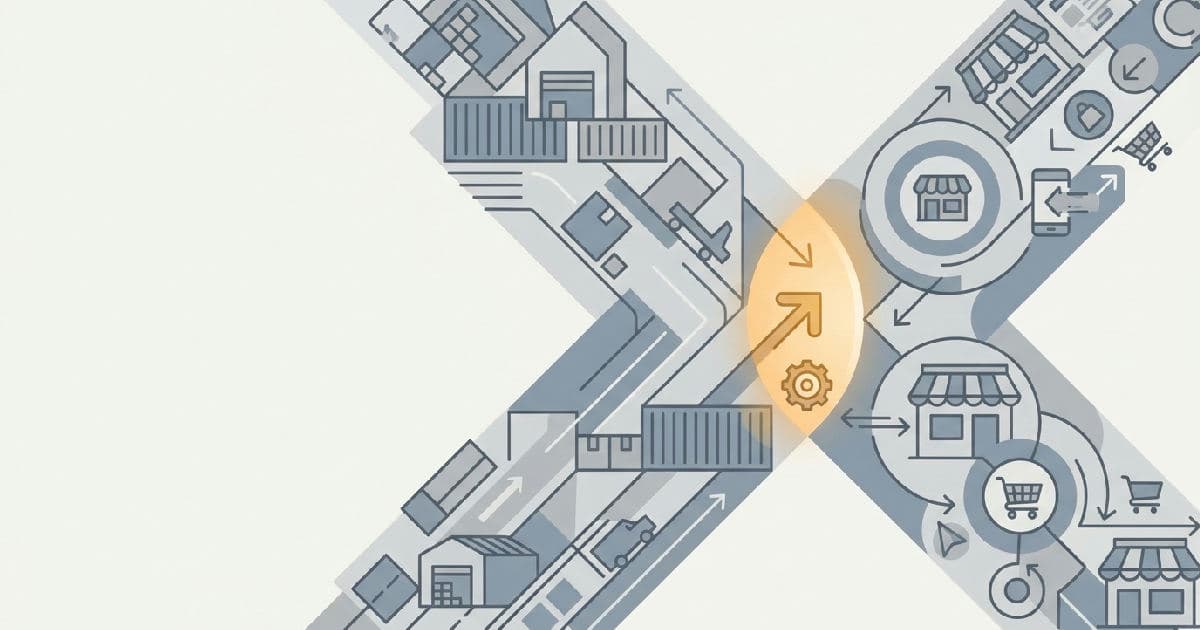
E-commerce covers businesses that sell goods or services primarily through digital channels, including pure-play online retailers, marketplace operators, and direct-to-consumer brands that have moved away from wholesale or physical-only distribution. UK exemplars BF would write about include Gymshark, which scaled from a garage operation to a global brand without a traditional retail estate, Made.com (whose collapse and subsequent acquisition illustrates the sector's structural risks), and Moonpig, a listed business navigating the shift from novelty to habitual consumer behaviour.
BF tracks e-commerce because it sits at the intersection of several pressures that matter to SME and scale-up operators: fulfilment economics, customer acquisition costs, platform dependency, and the cost of returns. Watching how businesses in this sector manage contribution margins, warehouse footprints, and their reliance on Meta and Google for paid traffic reveals patterns that apply well beyond retail. The sector also acts as an early indicator for shifts in consumer confidence and discretionary spending.
The open questions shaping the next phase include whether rising fulfilment and energy costs will permanently compress margins for mid-sized operators, how quickly social commerce through platforms such as TikTok Shop will redistribute discovery and purchasing behaviour, and whether the regulatory environment around returns policies and sustainability disclosures will create meaningful compliance costs. The tension between owning a customer relationship directly and the reach offered by marketplaces such as Amazon remains unresolved for most operators at scale.