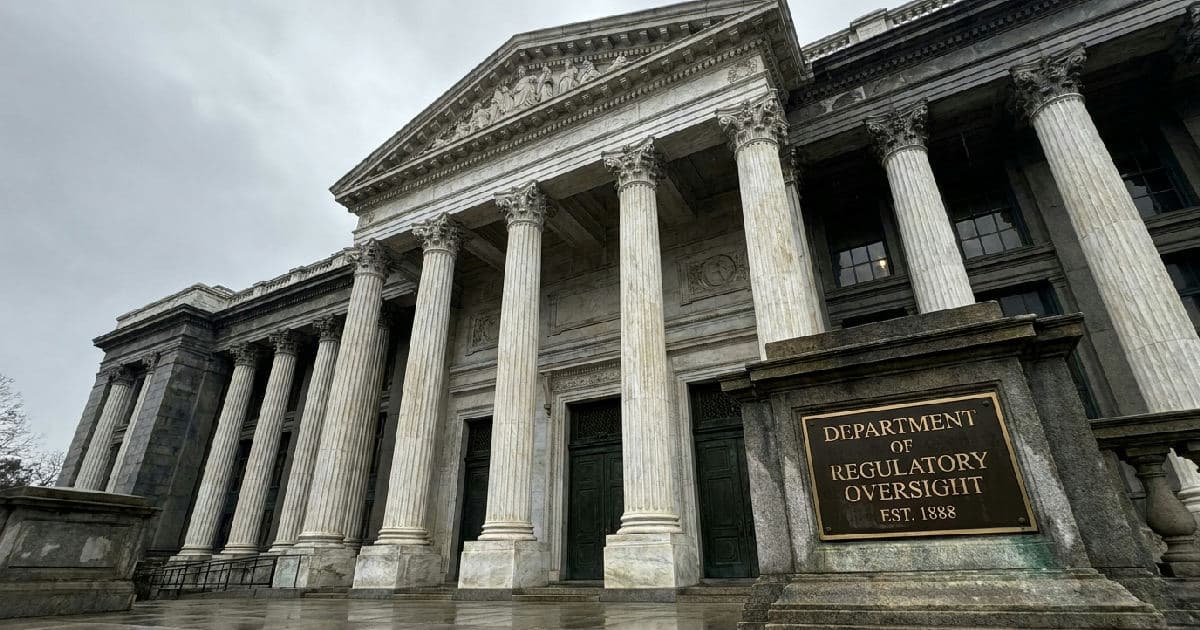
What the CMA is examining
The CMA announced on Tuesday that it has commenced its phase one investigation after receiving the necessary statutory filings from the merging parties, according to the regulator's case page. The watchdog will determine whether the transaction threatens to cause a "substantial lessening of competition" in the UK media and entertainment market, or whether it must be referred for a more exhaustive phase two probe.
The investigation follows a preliminary "invitation to comment" issued by the CMA in April, as reported by City AM. Under the newly triggered statutory timetable, the regulator has until 7 August 2026 to reach its initial verdict.
The transaction, overwhelmingly approved by Warner Bros Discovery shareholders in April, would combine the Paramount+ and HBO Max streaming ecosystems into a unified service with roughly 200 million subscribers globally. The merging parties are targeting a third-quarter close, but the path to completion has grown considerably more congested.
The CMA's remit covers the deal's impact on British consumers, licensing markets, and theatrical distribution. For UK-based media businesses, the specifics of those assessments matter far more than the Hollywood boardroom drama that has dominated American coverage.
The UK supply-chain stakes: licensing, distribution, and production
A combined Paramount-WBD entity would control two of the largest film and television catalogues in the world. For independent UK distributors and broadcasters, the immediate concern is what happens to licensing terms once a single seller sits across the negotiating table.
Currently, British broadcasters and streaming platforms can play Paramount and WBD off against each other when acquiring second-window rights, catalogue titles, and format licences. Consolidation removes that competitive tension. Smaller UK operators, particularly those reliant on acquired US content to fill schedules, face the prospect of higher prices or reduced access.
Theatrical exclusivity windows
British cinema and creative bodies have been pressing for binding commitments on theatrical exclusivity windows, according to City AM's reporting. The head of the UK's largest cinema association warned last week that Paramount must offer "greater confidence and security" regarding exclusivity windows before the transaction can secure industry backing.
The concern is straightforward. A merged entity with its own global streaming platform has every incentive to shorten or eliminate the period during which films play exclusively in cinemas before migrating to the subscription service. For UK exhibitors, already contending with sluggish post-pandemic attendance recovery, any erosion of theatrical windows would hit revenue directly.
Production spend and tax incentives
Paramount executives have been quietly using the company's UK footprint to lobby for broader regulatory relief, according to City AM. Speaking at the Creative Cities Convention in Liverpool, Paul Testar, a drama commissioner for Paramount-owned Channel 5, urged the British government to halve its high-end television tax incentive threshold from £1m to £500,000 per hour, warning that current domestic costs are forcing networks to look towards more competitive European production hubs.
That lobbying effort carries a different weight in the context of a merger review. If the CMA extracts commitments on UK production spend as a condition of clearance, those commitments would set a baseline for domestic commissioning. Equally, if the merged entity secures more favourable tax treatment, it could redirect production budgets away from independent British facilities and towards in-house operations.
For UK production companies, visual effects houses, and facilities operators, the interplay between merger remedies and tax policy is where the real commercial consequences sit.
Regulatory friction on both sides of the Atlantic
The CMA's probe is only one front in a multi-jurisdictional regulatory campaign. The European Union's antitrust authority is expected to hand down its own decision by early July 2026, with reports indicating Paramount has already offered to divest certain children's television assets to satisfy Brussels, according to City AM.
The Netflix factor
In a sharply worded letter to the US Department of Justice this week, Paramount's chief legal officer Makan Delrahim, a former top US antitrust official, accused Netflix of executing a "scorched-earth campaign" to "poison regulators and other stakeholders against" the transaction, as reported by City AM. Delrahim characterised the intervention as a "panic-level response" that reveals "just how seriously Netflix takes Paramount as a scaled competitor."
Netflix had previously won an auction to acquire WBD in late 2025 but withdrew from the bidding war in February 2026, opening the door for David Ellison's Paramount Skydance to secure a definitive agreement.
Labour opposition in the US
The International Brotherhood of Teamsters, which represents 15,000 film and television workers, has urged the DOJ to sue to block the deal, citing Walt Disney's 2019 acquisition of 20th Century Fox as a precedent that led to widespread project cancellations and job cuts, according to City AM.
Delrahim pushed back against those concerns in his letter, arguing the transaction's core logic is to scale up production to compete with Netflix. He reiterated Paramount's commitments to release at least 30 theatrical films a year and expand television output, claiming the combined entity would increase employment opportunities for crew and location staff.
Executive pay controversy
Influential proxy advisory firm Institutional Shareholder Services (ISS) urged WBD shareholders on Monday to vote against the proposed executive compensation and golden parachute arrangements tied to the merger, as reported by City AM. Under the current proposals, WBD chief executive David Zaslav stands to receive a payout of up to $887m (£697m).
ISS described the potential payout as "extremely large," flagging a severe "misalignment between chief executive pay and company performance." WBD shareholders had already registered a non-binding advisory vote against executive pay structures in April, and ISS has now recommended that investors withhold support for five members of the company's compensation committee.
What operators should watch next
The CMA's 7 August 2026 deadline is the first critical date for UK market participants. A phase one clearance, with or without undertakings, would signal that the regulator sees manageable competition risks. A referral to phase two would extend the timeline by several months and raise the probability of structural remedies such as catalogue divestments or mandatory licensing commitments.
The EU's early July ruling will arrive first and could set the tone. If Brussels accepts Paramount's offer to divest children's television assets, that may narrow the scope of what the CMA demands. Conversely, if the European Commission imposes broader conditions, the CMA may feel emboldened to push for UK-specific concessions on production spend or theatrical windows.
UK cinema operators, independent distributors, and production companies with exposure to either studio's commissioning pipeline should monitor three things closely: the nature of any EU remedies, the CMA's market testing of proposed undertakings, and the progress of Paramount's tax incentive lobbying in Westminster.
The deal's sheer scale, combining two of Hollywood's oldest studios into a single entity, means that even minor shifts in licensing strategy or production allocation could ripple through the UK media supply chain for years.