Aston Martin sold perpetual F1 naming rights to Lawrence Stroll's AMR GP for £50 million
Wholesale volumes dropped 10% year-on-year from 6,030 units to 5,448 in 2024
Stroll's F1 team valued at £2.4 billion in July, but has posted £190 million in cumulative losses over five years
Aston Martin shares have crashed from 1,900p at 2018 IPO to around 100p today
Aston Martin has sold something most brands would consider priceless: permanent control of its own name in Formula 1. The British carmaker offloaded the perpetual rights to use its logo, branding and identity in the sport to team owner Lawrence Stroll's AMR GP operation for £50 million—a transaction that looks less like strategic partnership and more like a distress sale with irreversible consequences. For a company with a storied racing heritage stretching back decades, it's a remarkable surrender of brand control.
The deal means Stroll, the Canadian billionaire who already owns and operates the Aston Martin F1 team, can now use the carmaker's branding indefinitely, regardless of what happens to the underlying automotive business. Context makes this more striking. Aston Martin's wholesale volumes dropped 10 per cent year-on-year, falling from 6,030 units in 2024 to 5,448 last year, according to the company's latest trading update.
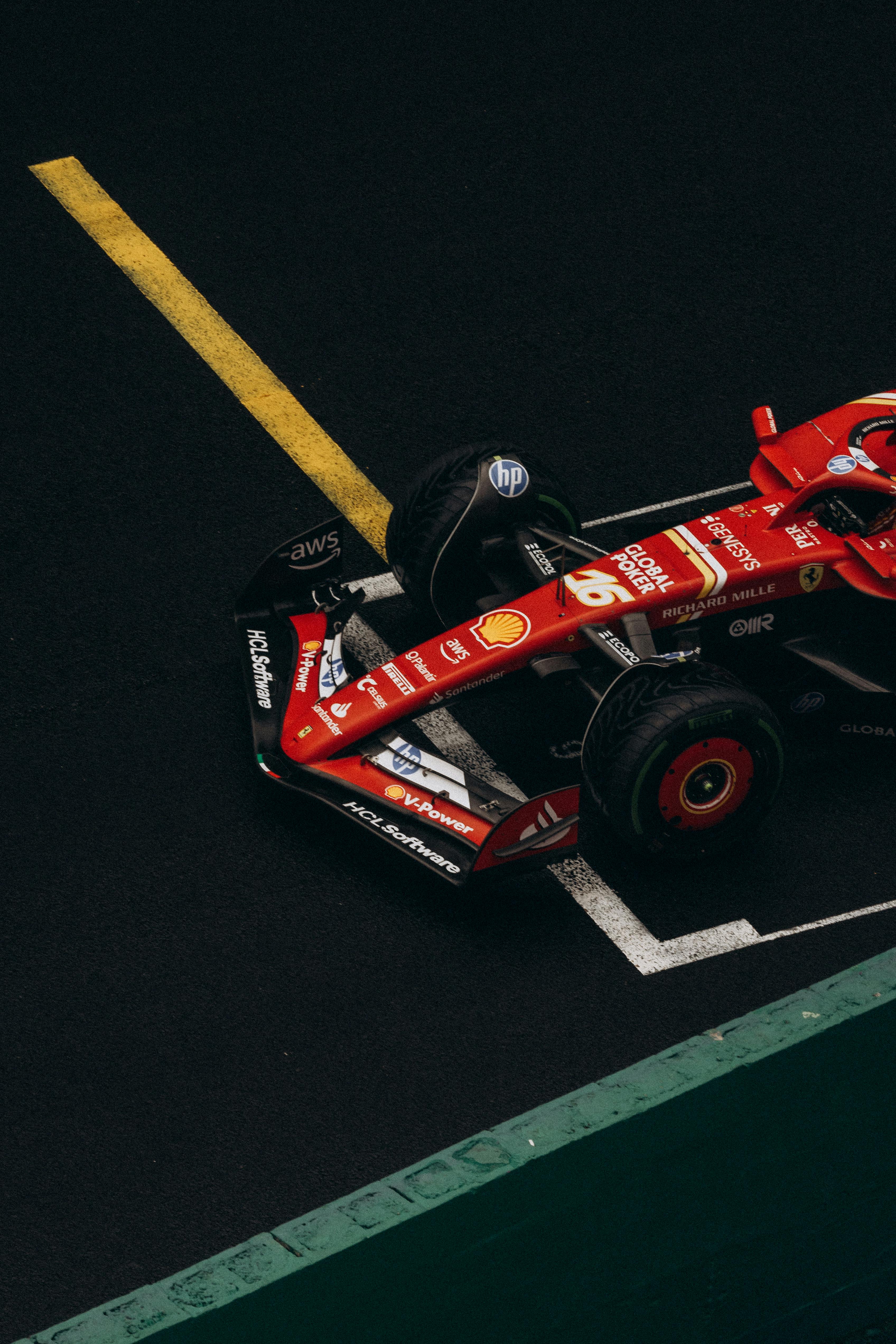
Aston Martin Formula 1 racing car on track
Management attributed the decline to what they described as a 'highly challenging' trading environment driven by US tariffs. The £50 million injection, they said, would strengthen the company's financial position.
Enjoying this article?
Get stories like this in your inbox every week.
A £50m valuation that raises eyebrows
What's particularly notable is the pricing. Stroll's AMR GP operation was valued at £2.4 billion last July when the team agreed terms for a minority stake sale. Against that backdrop, securing perpetual global naming rights—the sort of asset that typically commands eye-watering premiums in Formula 1's commercially supercharged ecosystem—for just £50 million looks remarkably cheap.
Formula 1 has become one of the world's most valuable sports marketing platforms, with teams regularly commanding hundreds of millions in sponsorship revenue.
The exposure is global, the audience young and affluent, and the branding opportunities extend far beyond race weekends into merchandise, digital content and commercial partnerships. Perpetual rights to attach one of automotive's most recognisable luxury marques to all of that would normally fetch considerably more than what Aston Martin accepted.
The arrangement creates an unusual dynamic. Stroll now owns both the F1 team and its naming rights outright, whilst the carmaker has ceded permanent control of how its brand appears in one of sport's biggest showcases. Meanwhile, accounts released last year showed the F1 team itself has posted cumulative losses of £190 million over five years—hardly the picture of a thriving sporting enterprise justifying a £2.4 billion valuation.
Financial fragility beneath the luxury veneer
This isn't Aston Martin's first brush with existential financial pressure. The company floated on the London Stock Exchange in 2018 at 1,900p per share; it currently trades around 100p. Between its disastrous IPO and today, Aston Martin has required multiple emergency capital injections, with Stroll himself leading a £500 million rescue in 2020 that handed him a 25 per cent stake and the executive chairmanship.
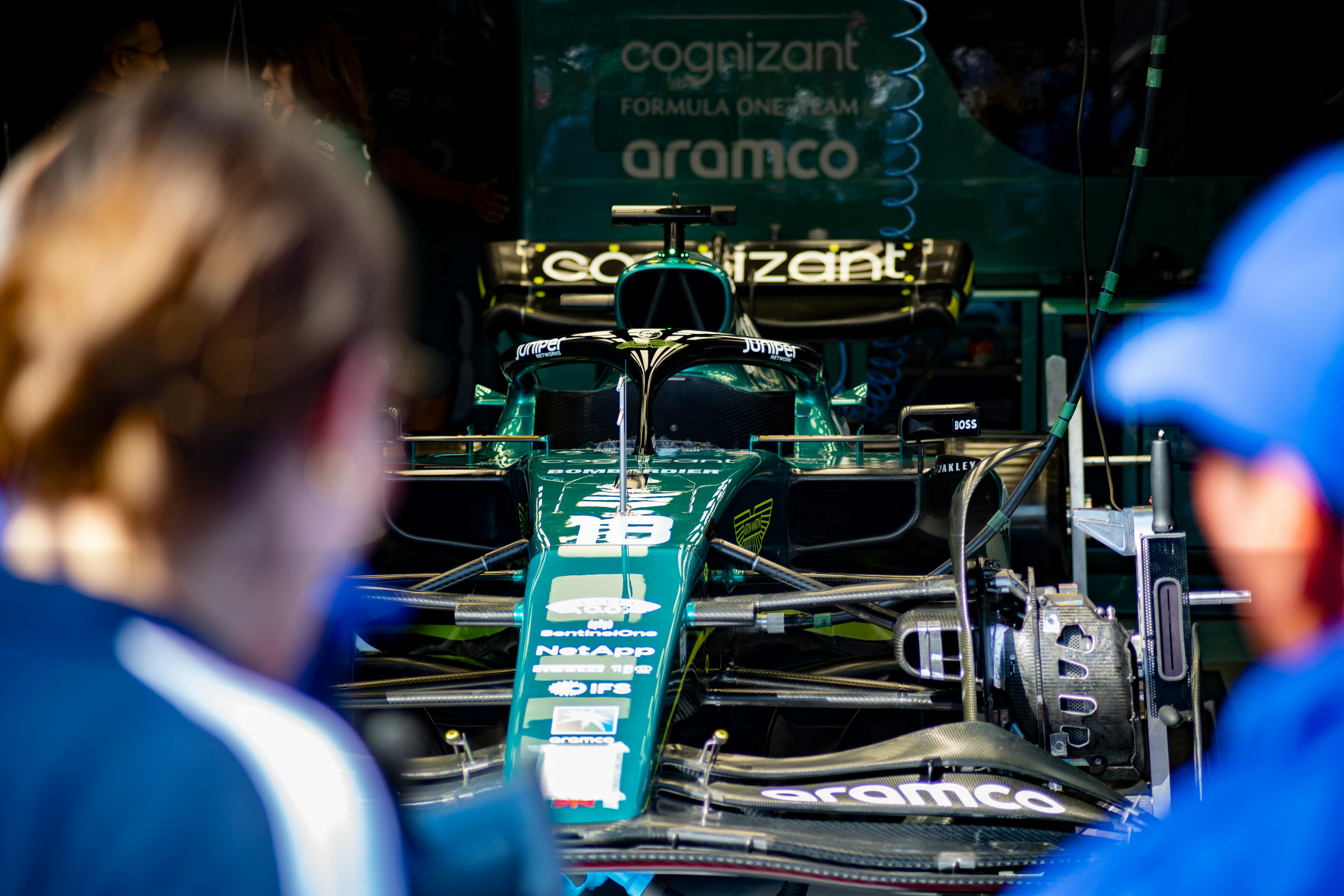
Luxury sports car brand headquarters building
The pattern suggests this latest £50 million transaction is less about strategic brand management and more about plugging immediate liquidity gaps. Whilst US tariffs have indeed created headwinds for luxury automotive imports—particularly under the current administration's trade posture—Aston Martin's challenges run deeper than external market conditions. The company has struggled with production efficiency, model delays, and profitability across its core automotive business for years.
Paying £50 million for perpetual naming rights he was effectively already using suggests Stroll recognised an opportunity to lock in an asset on the cheap whilst the carmaker needed cash quickly.
What's interesting here is how this deal consolidates Stroll's position whilst potentially exposing the carmaker's desperation. He already controlled the team, already benefited from the brand association, and already had sponsorship agreements running until 2055. The promotional noise around Adrian Newey's design work for this season—Newey being the aerodynamics wizard behind multiple championship-winning Red Bull cars—adds an intriguing subplot.
If the team does become competitive, Stroll will reap the marketing benefits of an Aston Martin resurgence without the carmaker having any meaningful control over that narrative or the commercial upside beyond the initial £50 million payment.
What happens when the cash runs out
For British automotive heritage enthusiasts, there's something melancholy about watching Aston Martin sell off pieces of its legacy in exchange for short-term survival capital. The company has cycled through ownership structures, faced bankruptcy multiple times across its century-plus history, and repeatedly required wealthy benefactors to keep the lights on.
Business financial documents and corporate branding materials
The difference this time is permanence. Previous capital raises diluted shareholders or added debt, but those were theoretically reversible positions. Selling perpetual naming rights means that even if Aston Martin's automotive business stabilises and thrives in future years, it cannot reclaim control of its own brand in Formula 1 without buying those rights back from Stroll at whatever price he demands—if he's willing to sell at all.
American tariff policy will likely shift over time, and luxury automotive demand follows cyclical patterns. But this transaction creates a permanent structural reality where the Aston Martin F1 team is fundamentally Stroll's asset, carrying a brand he owns the rights to, operated independently of the carmaker's fortunes. Whether that represents shrewd opportunism or a distressed seller accepting unfavourable terms depends largely on how one values perpetual global sports marketing rights in one of the world's premier racing series. At £50 million, it's hard to argue the carmaker drove a hard bargain.
This transaction is irreversible: Aston Martin has permanently ceded control of its F1 brand identity and cannot reclaim it without buying back rights at Stroll's price
The £50 million valuation appears significantly underpriced for perpetual naming rights in a sport where teams command hundreds of millions in sponsorship—suggesting a desperate seller rather
Multi-award winning serial entrepreneur and founder/CEO of Venntro Media Group, the company behind White Label Dating. Founded his first agency while at university in 1997. Awards include Ernst & Young Entrepreneur of the Year (2013) and IoD Young Director of the Year (2014). Co-founder of Business Fortitude.