79% of flights to Qatar and 71% to UAE flights cancelled following military strikes involving Israel, the US and Iran
Dubai International Airport handled 87 million passengers in 2023, making it the world's busiest for international travel
More than 4,000 daily flights across the region cancelled, with over 100,000 Britons registered in the Middle East
Emirates posted record profits of $4.7 billion for the year ending March 2024, but faces significant operational losses from the closure
The world's busiest aviation crossroads has effectively shut down. Across the Gulf states, where three of the world's largest airlines have spent decades positioning themselves as the indispensable link between continents, flights are grounded in numbers that would have seemed implausible a week ago. What's unfolding isn't merely a story about stranded holidaymakers or inconvenienced business travellers—this is a stress test of the global aviation system's most critical pressure point, and it's revealing just how vulnerable the infrastructure of international connectivity has become.
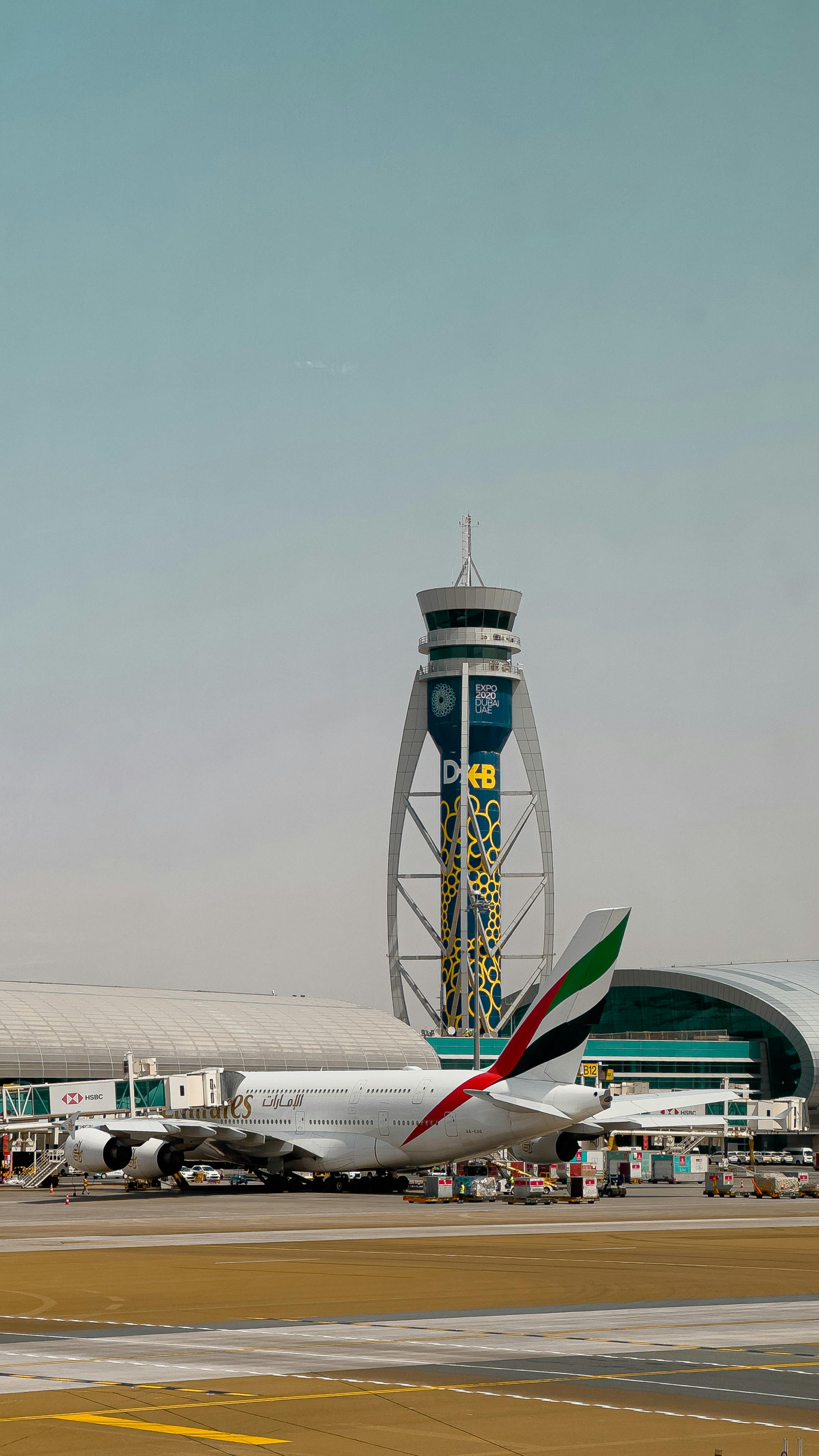
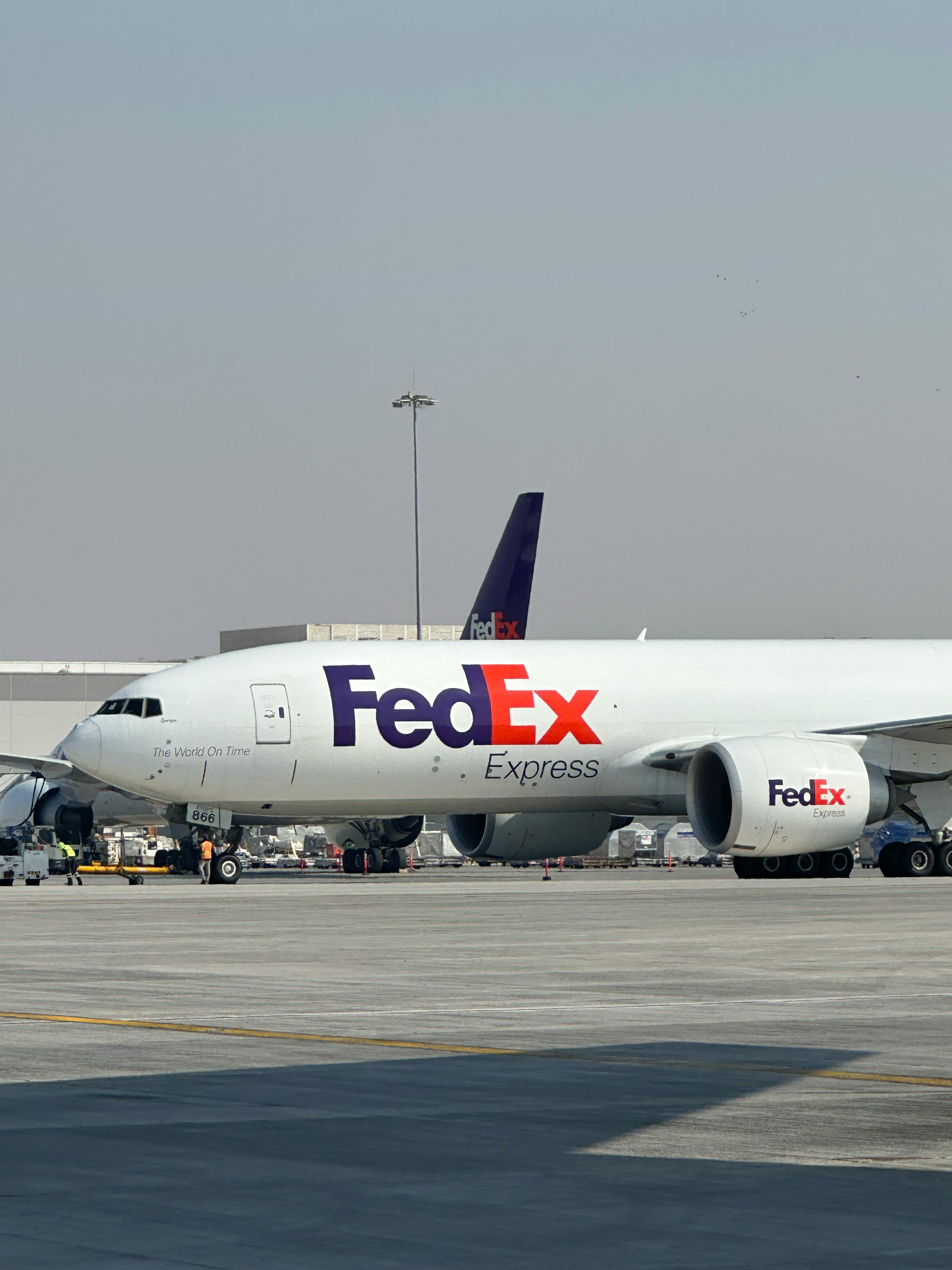
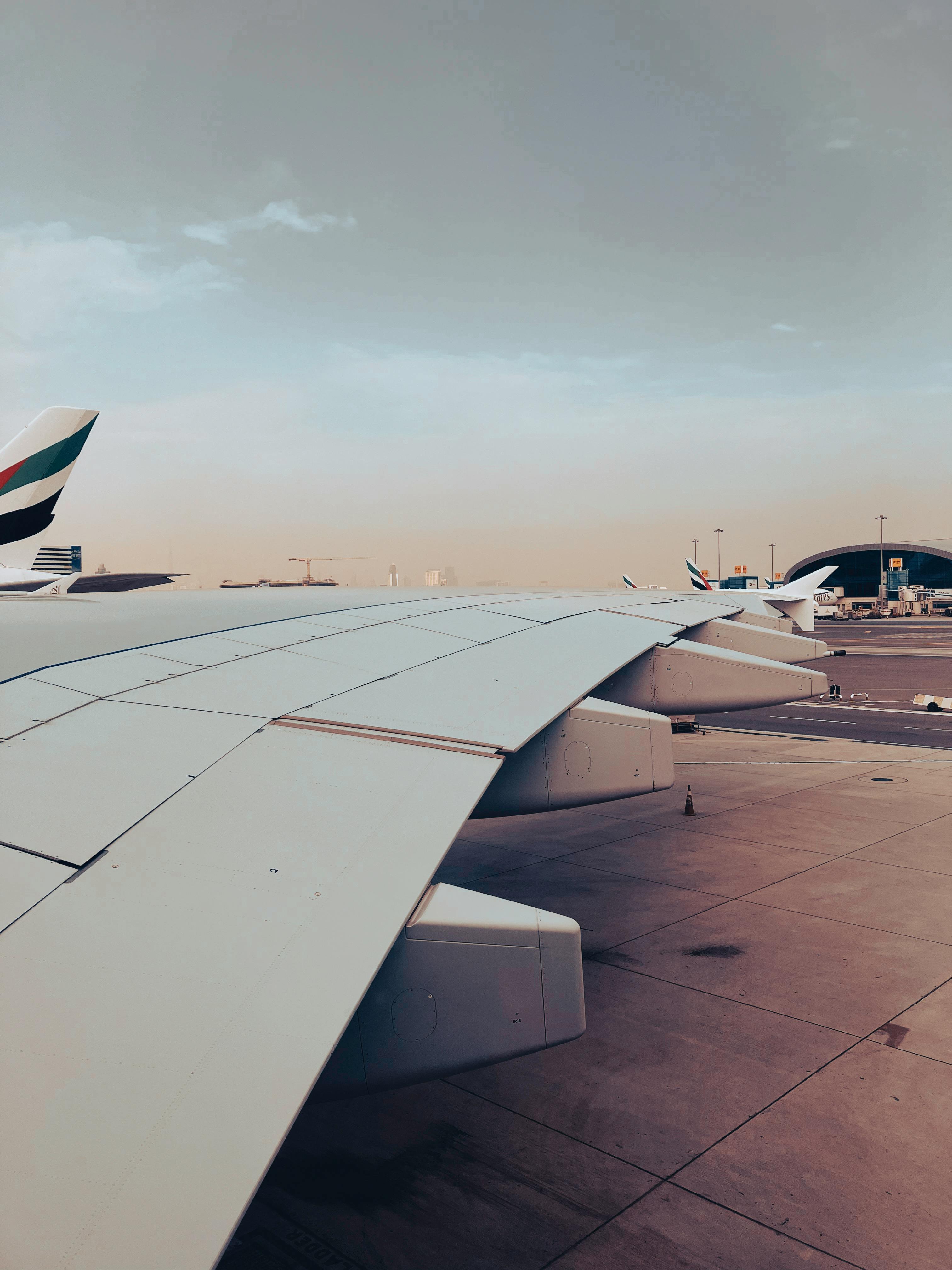
Aircraft at international airport
When geography becomes liability
Emirates, Etihad and Qatar Airways have built their empires on a simple geographical truth: the Gulf sits at the optimal point for connecting Europe with Asia, Africa and Australasia. Dubai International Airport alone handled 87 million passengers in 2023, making it the world's busiest for international travel. These aren't regional carriers playing at global ambitions; they're the arteries through which millions of journeys flow each year.
Ian Petchenik, director of communications at Flightradar24, warned that the disruption "will only increase the longer the crisis continues" with "enormous repercussions for the industry."
The UAE began permitting limited departures on Monday after days of complete suspension. An Etihad flight to London Heathrow departed in the morning, alongside services to Moscow, Paris, Cairo, Delhi and Karachi. But these represented repositioning, cargo and repatriation flights coordinated with authorities, not normal commercial operations. Dubai Airports announced a "limited resumption" for Monday evening, though Qatar's airspace remained entirely closed.
The financial implications extend well beyond the airlines themselves. Paul Charles, from travel consultancy firm the PC Agency, reported seeing two Qatar Airways aircraft still grounded at São Paulo airport, unable to return to their home base. Passengers who would normally transit through the Gulf are scrambling for alternative routes, filling flights via other hubs and creating knock-on capacity constraints across the global network.
Previous major airspace closures offer sobering precedents. The 2010 Eyjafjallajökull volcanic eruption in Iceland grounded flights across Europe for six days, costing the airline industry an estimated £1.1 billion and disrupting ten million passengers. The September 11 attacks led to a three-day closure of US airspace that cost American carriers alone approximately $350 million per day. The Gulf disruption could dwarf both if the closure extends beyond a week.
What makes this situation particularly acute is the concentration of connectivity. The three major Gulf carriers operate from just five airports, yet they connect over 350 destinations worldwide. When Doha and Dubai go dark, there are no easy alternatives. European and Asian carriers lack the capacity to absorb the rerouted demand, and alternative routes add hours to journey times, burning additional fuel and requiring crew scheduling adjustments that ripple through networks for weeks.
More than 100,000 Britons have registered their presence in the Middle East with the UK government, though this figure includes residents and visitors, not solely those actively trying to leave. Foreign Secretary Yvette Cooper described the situation as "deeply stressful" for those affected, noting that many were travelling for holiday or business purposes. The government has indicated it would work with airlines to facilitate returns on commercial flights rather than launching dedicated evacuation operations.
The super-connector vulnerability
The disruption reveals an uncomfortable truth about how global aviation has evolved. The hub-and-spoke model that emerged in the 1990s and reached its apex with the Gulf carriers has created extraordinary efficiency but concentrated vulnerability. When those hubs close, the entire system seizes.
The fundamental question isn't when normal service resumes—it's what normal looks like when the world's most important aviation corridor can be switched off with 24 hours' notice.
Airlines operating from geographically stable regions might see this as a competitive opening, but the immediate picture is one of systemic disruption. Flights from the UK to Middle Eastern destinations have been decimated: all services to Israel and Bahrain cancelled, three-quarters of UAE-bound flights grounded, and 69% of Qatar services eliminated. That's not spare capacity being redistributed; it's economic activity being cancelled outright.
Passengers waiting in airport terminal
The timing compounds the problem. The Gulf carriers were already navigating post-pandemic recovery and managing fluctuating fuel costs. Emirates alone posted record profits of $4.7 billion for the year ending March 2024, but those margins assume operational continuity. Every day of closure means not just lost revenue but also repositioning costs, customer compensation and long-term reputational risk.
The aviation insurance market will be watching particularly closely. Premiums for operating in the region were already elevated; this crisis provides actuarial ammunition for significant increases that could make the Gulf hub model structurally more expensive for years to come.
Dubai Airports has promised updates as operations resume, with Emirates prioritising passengers whose earlier bookings were cancelled. Etihad has suspended regular services until Wednesday. Qatar Airways plans to update passengers on Tuesday morning. But for an industry that prizes reliability above almost everything else, the vulnerability of the world's most important aviation corridor is a problem without an easy answer.
The concentrated hub-and-spoke model that made Gulf carriers extraordinarily efficient has created systemic vulnerability—when Doha and Dubai close, the entire global network lacks viable alternatives
Aviation insurance premiums for the region are likely to increase significantly, potentially making the Gulf hub model structurally more expensive for years and reshaping competitive dynamics
Watch for how airlines diversify their networks in response: this crisis may accelerate investment in alternative routing options and challenge the assumption that geographical positioning alone guarantees aviation dominance
Multi-award winning serial entrepreneur and founder/CEO of Venntro Media Group, the company behind White Label Dating. Founded his first agency while at university in 1997. Awards include Ernst & Young Entrepreneur of the Year (2013) and IoD Young Director of the Year (2014). Co-founder of Business Fortitude.