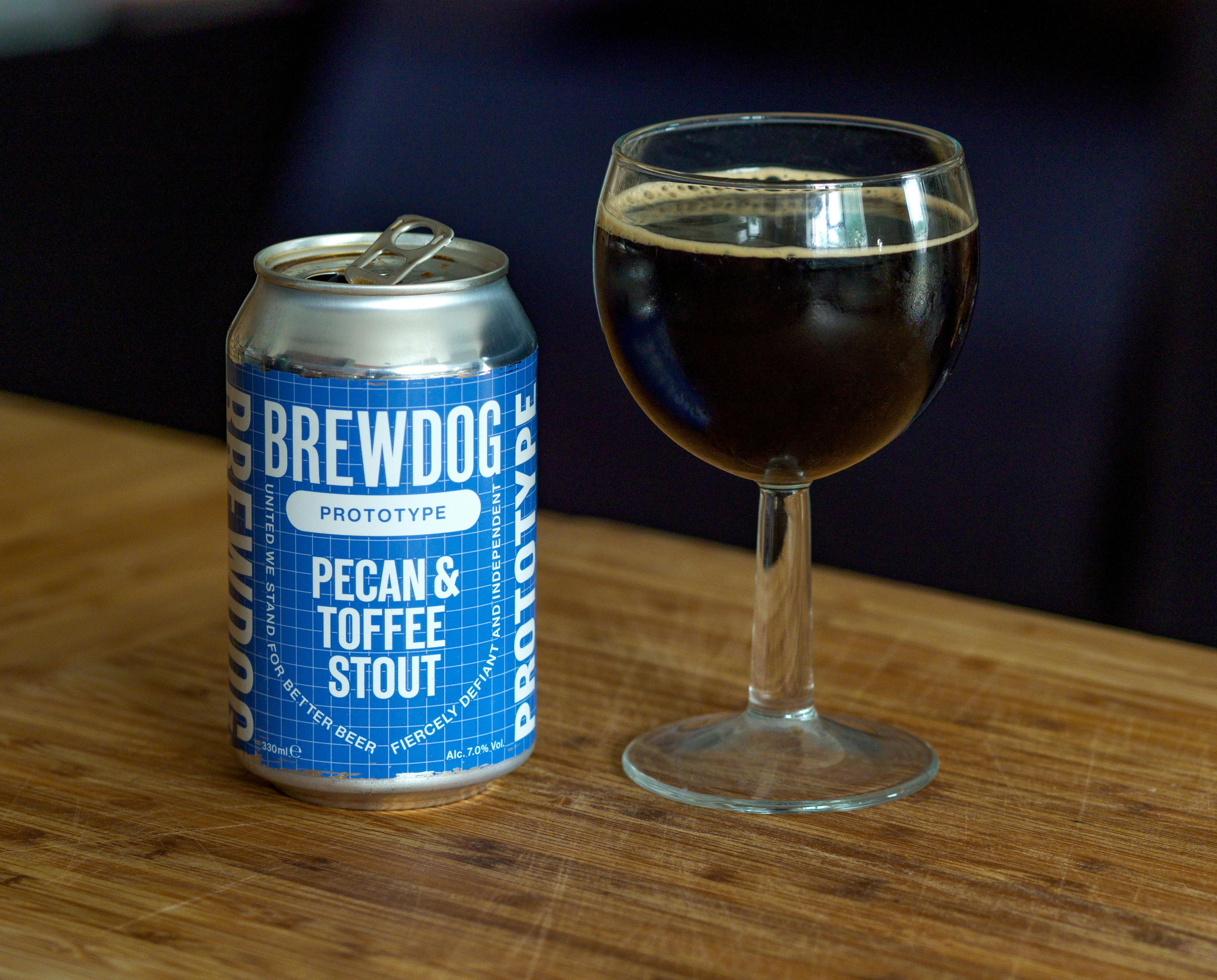
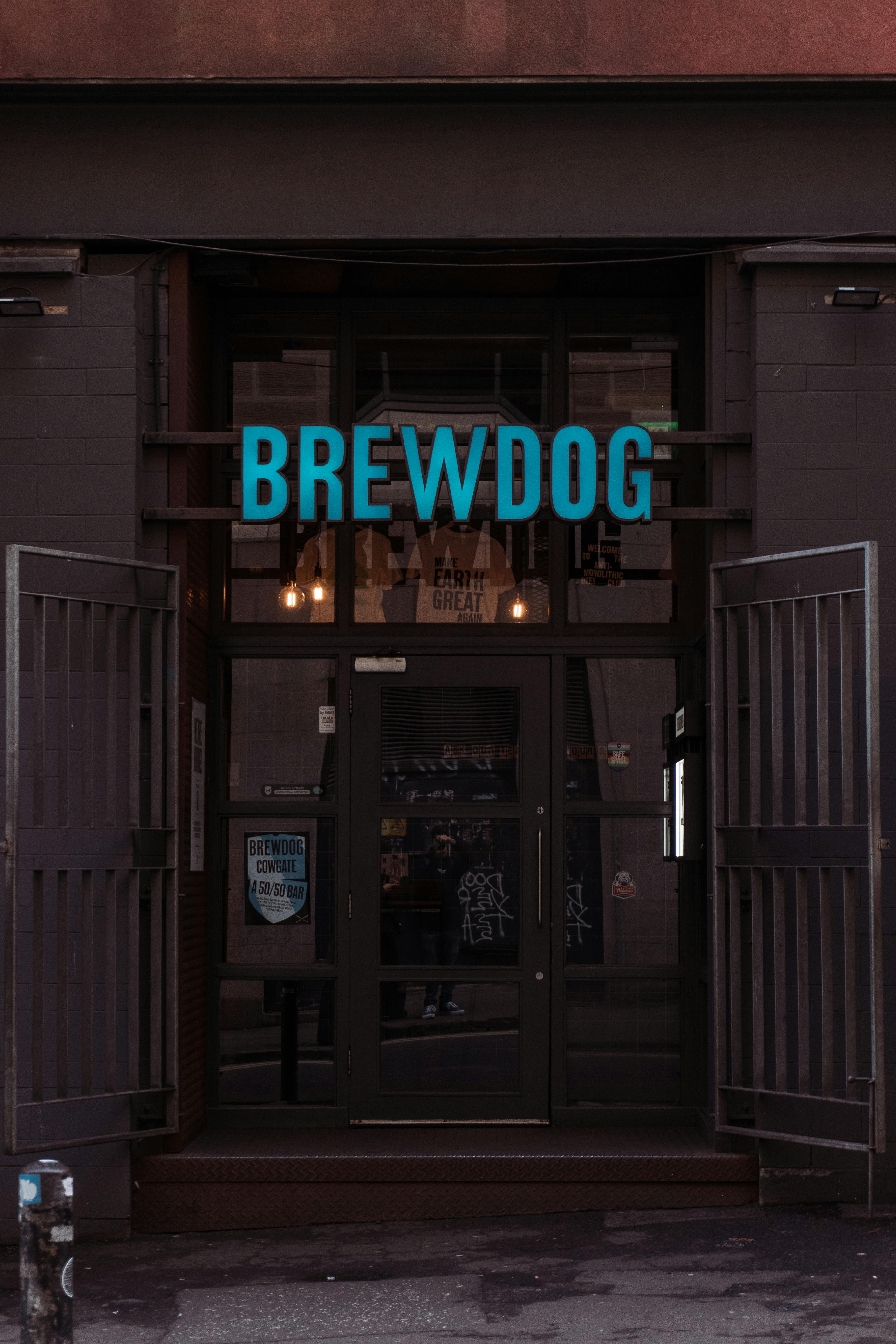
BrewDog sold to US group Tilray for £33m after raising £75m from approximately 200,000 retail investors over 12 years
TSG Consumer Partners holds preference shares from 2017 giving them priority repayment, likely leaving ordinary shareholders with nothing
The company posted a £37m loss in recent accounts and brought in restructuring specialists AlixPartners before Christmas
The £33m valuation covers four breweries, roughly 100 pubs globally, and 1,400 staff—suggesting the balance sheet is catastrophically underwater
Britain's most famous equity crowdfunding story appears headed for a brutal ending. BrewDog, the Aberdeenshire brewery that raised £75m from approximately 200,000 retail investors over 12 years, has been sold to US cannabis and beverage group Tilray for just £33m—a figure so staggeringly low that ordinary shareholders face the prospect of a complete wipeout whilst institutional backers walk away with their capital intact. The mathematics are stark, and the implications for Britain's equity crowdfunding sector are profound.
TSG Consumer Partners, the US private equity firm that acquired a 22% stake in 2017, holds preference shares that place them first in line for repayment. Given the £33m sale price barely covers what retail investors alone contributed through the 'Equity for Punks' scheme, those 200,000 people who bought into the anti-establishment dream may be left with nothing. The £33m valuation for a business operating four breweries, roughly 100 pubs globally, and employing 1,400 staff suggests BrewDog's balance sheet is catastrophically underwater.
Craft beer taps in a modern brewery bar
Factor in debt obligations and the preferential treatment for institutional investors, and the ordinary shares held by fans who spent an average £500 each appear functionally worthless. This isn't hyperbole—it's the consequence of a capital structure that layered sophisticated institutional protection atop a retail investor base that likely had minimal understanding of liquidation preferences or capital stack hierarchies.
Enjoying this article?
Get stories like this in your inbox every week.
When punk became paperwork
The structure that enabled this outcome is entirely legal, if arguably opaque. Preference shares are standard practice in venture capital and private equity deals—they provide downside protection for institutional investors making substantial bets. What's less standard is layering that structure atop a crowdfunding base of retail investors who likely had minimal understanding of liquidation preferences or capital stack hierarchies.
According to materials from BrewDog's various Equity for Punks rounds between 2009 and 2021, investors received ordinary shares priced between £20 and £30, alongside perks including discounts and branded merchandise. The pitch emphasised community ownership and rebellion against corporate brewing. The financial engineering behind TSG's 2017 entry received considerably less fanfare.
Retail investors bore expansion risk whilst professional investors secured downside protection. The asymmetry is difficult to ignore.
Whether this constitutes adequate disclosure is a question regulators may need to examine. The Financial Conduct Authority has tightened rules around equity crowdfunding platforms in recent years, but much of BrewDog's fundraising predated stricter requirements for risk warnings and financial literacy checks. Those who invested in 2010 or 2013 operated in a materially different regulatory environment than exists today.
What's particularly striking is the trajectory. BrewDog used retail investor capital to fund aggressive international expansion—opening breweries across three continents and a global pub estate—whilst simultaneously bringing in sophisticated institutional money with superior terms.
The numbers behind the collapse
BrewDog posted a £37m loss in its most recent accounts, announced redundancies in October 2024, and closed 10 UK bars earlier this year. Production of spirits at its Ellon distillery ceased last month. The firm brought in restructuring specialists AlixPartners before Christmas—a clear signal that options were narrowing rapidly.
Empty glasses and closed bar interior
Tilray's description of the acquisition as 'a significant opportunity for growth' sits awkwardly against this context. The Connecticut-based company, which operates cannabis operations alongside craft beer brands, is acquiring assets at what appears to be a fire-sale valuation. The deal covers UK brewing operations, the brand, and just 11 pubs, with negotiations continuing over US and Australian assets.
The German arm, including a Berlin brewery and bar, will be liquidated entirely. Pubs stayed shuttered on Monday whilst staff attended meetings about their futures. Online sales were suspended.
The £33m valuation for a business operating four breweries, roughly 100 pubs globally, and employing 1,400 staff suggests BrewDog's balance sheet is catastrophically underwater.
Chief executive James Taylor, who replaced co-founder James Watt in the role last year, acknowledged the 'difficult' nature of the decision in communications to staff. The euphemism barely covers it. Watt himself moved to a newly-created 'captain and co-founder' position following a BBC Scotland documentary examining workplace culture allegations—complaints to Ofcom were subsequently rejected. Co-founder Martin Dickie departed entirely in 2024.
What retail investors should learn
The craft beer market that BrewDog helped create has become saturated. Dozens of independent breweries now compete for tap space and supermarket shelf presence that didn't exist 15 years ago. The rebellious positioning that worked when BrewDog was genuinely small became harder to sustain as it grew into a multinational operation with institutional backers.
But market dynamics alone don't explain this outcome. Plenty of craft breweries have navigated maturity without collapsing. What distinguishes BrewDog is the mismatch between its crowdfunding rhetoric and its capital structure reality.
Financial documents and investment paperwork
Retail investors were sold a story about ownership and community. Institutional investors bought preference shares and liquidation priority. For Britain's equity crowdfunding sector, this should serve as a sobering case study.
Platforms like Crowdcube and Seedrs have enabled thousands of retail investors to back early-stage businesses, democratising access to startup equity that was previously reserved for wealthy individuals and institutions. That democratisation is valuable. But it only works if investors understand what they're actually buying.
The preference share structure that protects TSG isn't obscure financial engineering—it's standard in any professional investment. Yet judging by social media reactions from Equity for Punks shareholders expressing shock at potentially losing everything, that understanding wasn't widespread. Educational failure sits somewhere in that gap, whether at the platform level, the company level, or both.
Tilray's integration plans remain unclear. The company already operates craft beer brands including Montauk Brewing Company and Shock Top in North America, but BrewDog would represent its first significant UK brewing presence. Whether the brand retains any of its original identity or simply becomes another asset in a multinational portfolio will become apparent in coming months. For the 200,000 retail investors who funded its rise, that question has become academic.
Preference shares give institutional investors priority repayment rights that can leave ordinary shareholders with nothing in a downturn—retail investors must understand capital structure before investing
The gap between crowdfunding marketing rhetoric and financial reality requires urgent regulatory attention and improved investor education
Equity crowdfunding democratises access to startup investment, but only works if retail investors comprehend the risks they're actually taking versus the community ownership story they're being sold
Multi-award winning serial entrepreneur and founder/CEO of Venntro Media Group, the company behind White Label Dating. Founded his first agency while at university in 1997. Awards include Ernst & Young Entrepreneur of the Year (2013) and IoD Young Director of the Year (2014). Co-founder of Business Fortitude.