Zudio grew from 7 stores and $12m revenue in 2018 to 765 stores and $1bn revenue by mid-2025, making it India's only billion-dollar clothing brand
India's apparel market is worth $70bn-$100bn but growing at sub-10% annually, below the 12-15% expected in a healthy economy
Per-capita spending on apparel in India remains significantly below China, the United States, and Indonesia
India's textile industry is the third-largest contributor to municipal solid waste, with only 25% recycled and less than 1% converted into new garments
Zudio's numbers tell a story that reads like a retail fairy tale. Seven stores and $12m in revenue back in 2018. Fast forward to mid-2025: 765 stores, $1bn in revenue, and the distinction of being India's only billion-dollar clothing brand.
The Tata-owned budget fashion chain has outpaced Zara, H&M, and its own stablemate Westside by margins that would make any investor's pulse quicken. Scratch beneath the surface, though, and the lustre fades. This isn't a consumption boom—it's a reshuffling of stagnant wallets.
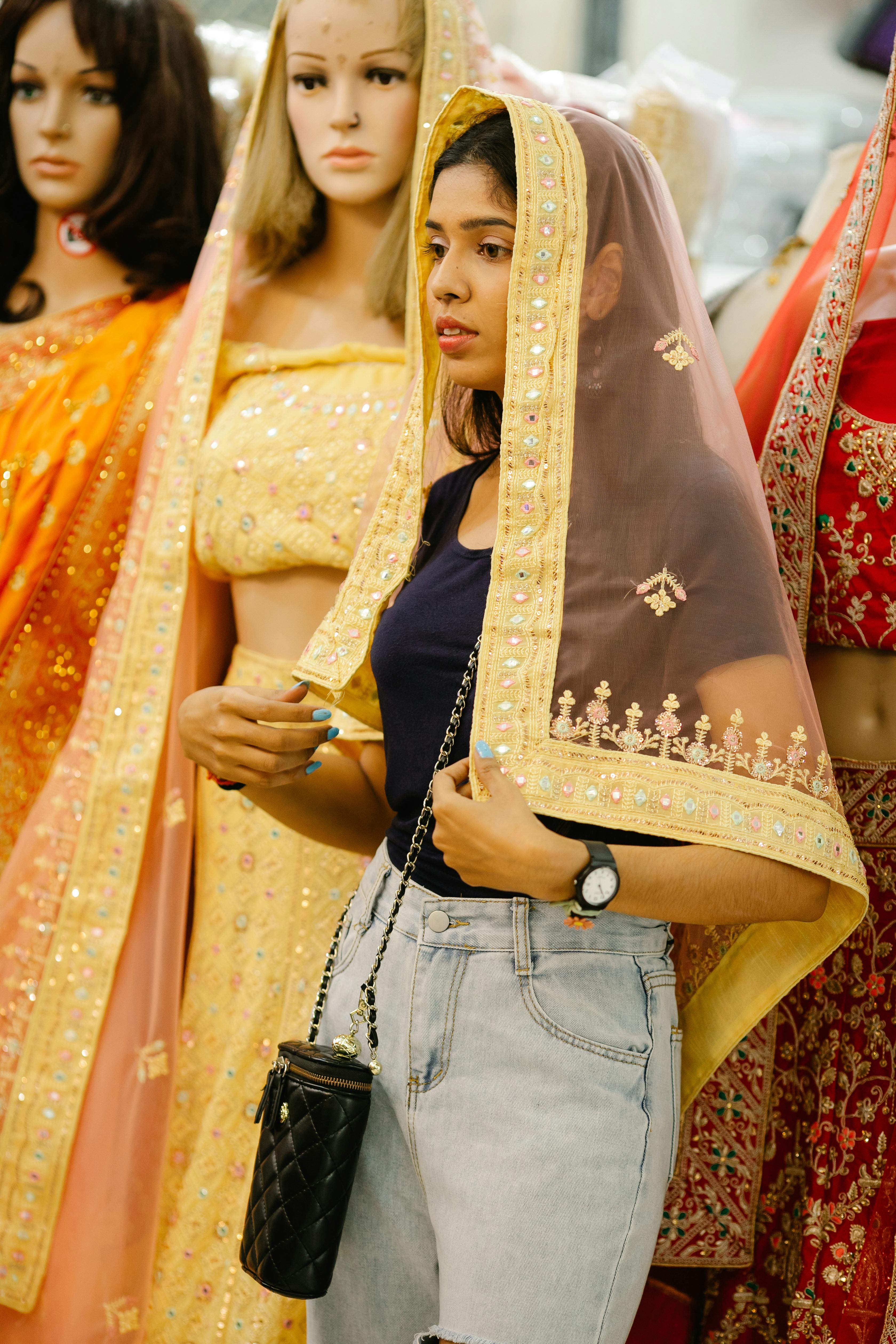
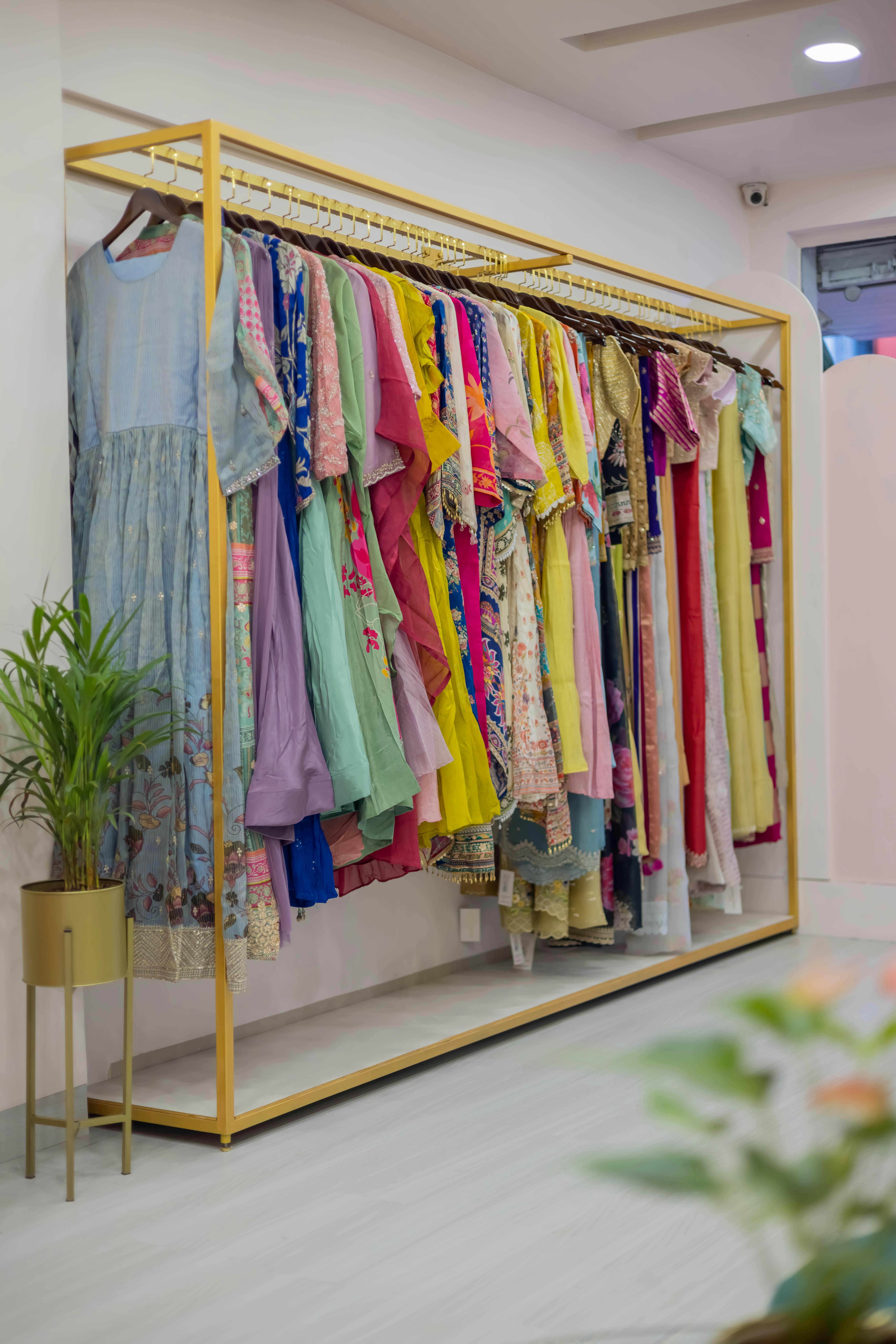
Modern retail clothing store interior with shoppers
The wallet-shift economy
It's very clearly a wallet-shift. Consumers are not buying much more than they were; but they've shifted their purchases from mom-and-pop stores to branded outlets.
That admission from Kushal Bhatnagar of Bengaluru-based Redseer Strategy Consultants deserves more attention than it typically receives in breathless coverage of India's retail transformation. What's happening across India's smaller cities isn't the emergence of a vast new consumer class with discretionary spending power. Rather, it's existing spending being redirected from street-side bazaars to air-conditioned outlets offering the same price points—$4 to $15 for most items—but with trial rooms, contemporary designs, and the psychological pull of a branded shopping bag.
Enjoying this article?
Get stories like this in your inbox every week.
Pankaj Kumar of Kotak Securities frames this as Zudio executing a 'classic bottom-of-the-pyramid strategy', noting that 'even affordable fashion is a luxury in India's tier-2 and tier-3 towns'. That framing rather undersells the uncomfortable economic reality: if basic clothing at street-market prices qualifies as luxury, what does that tell us about wage growth and job quality?
The macro picture supports the scepticism. India's private consumption, which accounts for 60% of GDP, has remained what analysts politely term 'patchy'. Per-capita spending on apparel sits significantly below China, the United States, and even Indonesia.
Formalisation with consequences
What Zudio, Reliance Trends, and their competitors have achieved is not market expansion but market formalisation. They've built a branded retail infrastructure that mimics China's retail evolution from a decade earlier, applying fast-fashion logistics—Zudio turns over inventory in 15 days versus 45-60 for rivals—to price points previously owned by informal vendors.
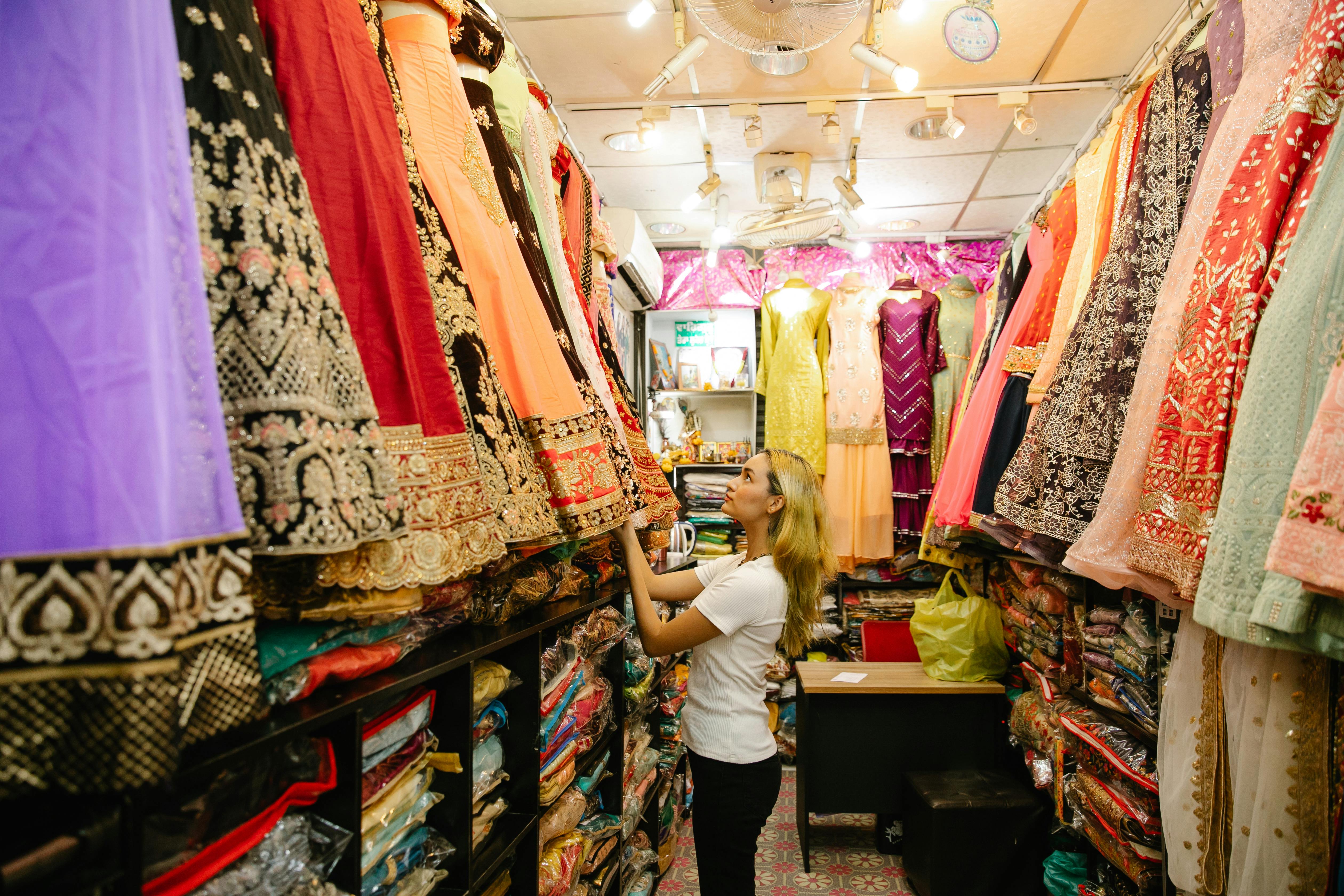
Traditional street market clothing vendor in India
The strategy works brilliantly as a business model. Geriatric care workers in Sangli can now buy baby-pink kurtas with gold paisley motifs in gleaming three-storey outlets rather than rummaging through bazaar stalls. The shopping experience improves materially. The actual amount spent? Not so much.
Traditional mom-and-pop retailers, meanwhile, face compression from both directions. Physical budget chains are claiming their urban and semi-urban customers whilst e-commerce platforms like Meesho hoover up the digitally connected segments. Meesho's 35-40% year-on-year growth comes largely from aggregating small sellers and undercutting on price—another vector of formalisation that concentrates power whilst potentially hollowing out the informal retail network that employs millions.
This transition from informal to formal retail carries employment implications that warrant closer examination. Street vendors and small shopkeepers operate on thin margins but provide flexible livelihoods across India's cities and towns. Corporate retail chains offer more structured employment but typically at lower headcounts per rupee of revenue. The net employment effect of this transition probably isn't positive, though comprehensive data remains elusive.
The waste problem no one's addressing
Then there's the environmental dimension, which deserves prominence rather than an afterthought. India's textile industry already ranks as the third-largest contributor to municipal solid waste, trailing only plastics and paper. Only 25% of that waste gets recycled, and garment-to-garment recycling—the gold standard for closing the loop—barely exists.
India is now layering a fast-fashion consumption model onto infrastructure that can't handle current volumes, let alone the exponential growth these brands are chasing.
The country is now layering a fast-fashion consumption model onto infrastructure that can't handle current volumes, let alone the exponential growth these brands are chasing. Deloitte estimates less than 1% of used clothing globally gets recycled into new garments. India's rate is almost certainly lower.
Textile waste and discarded clothing materials
Zudio's 15-day inventory cycle, whilst brilliant for keeping stores fresh and driving repeat visits, means clothing is designed for obsolescence. When your business model depends on customers returning every fortnight for new styles, durability becomes a bug rather than a feature. Multiply that across hundreds of millions of consumers in a country with weak waste management systems and virtually no textile recycling capacity, and the scale of the looming problem becomes clear.
Brands make the requisite noises about embedding sustainability into supply chains. The infrastructure to make that meaningful, however, doesn't exist and isn't being built at anything approaching the necessary pace.
What comes next
The retail analysts are correct that India's consumption story has further to run in structural terms. As GDP per capita rises, branded retail naturally claims larger wallet share. The question is whether that structural shift coincides with actual consumption growth—more spending, not just redirected spending—or whether it simply reorganises existing poverty into tidier corporate forms.
Watch whether wage growth and employment quality start catching up to retail ambitions. If they don't, these gleaming outlets will be selling the same number of kurtas to the same customers, just with better marketing. The environmental bill, however, will keep mounting regardless.
Monitor whether wage growth and employment quality improve alongside retail expansion—without this, branded retail simply reorganises existing poverty rather than creating new prosperity
The environmental consequences of fast-fashion infrastructure being built faster than waste management capacity will compound over time, creating a mounting crisis that brands are not adequately addressing
The displacement of informal retail networks by corporate chains may reduce overall employment despite
Multi-award winning serial entrepreneur and founder/CEO of Venntro Media Group, the company behind White Label Dating. Founded his first agency while at university in 1997. Awards include Ernst & Young Entrepreneur of the Year (2013) and IoD Young Director of the Year (2014). Co-founder of Business Fortitude.