Nvidia's Bet on Oxa: Industrial AVs or Just Prolonged Losses?
- Oxa lost £68.9 million last year whilst generating just £3.1 million in revenue—losses increased more than 90% year-on-year
- Nvidia, BP, and the UK's National Wealth Fund just invested in a £77 million Series D round at approximately £375 million valuation
- Existing backers IP Group and Ocado wrote down their stakes amid persistent losses, yet both are reinvesting in this latest round
- Oxa targets industrial environments like warehouses and airports, whilst rival Wayve pursues consumer robotaxis with a £6.4 billion valuation
Nvidia has just written another cheque to a British autonomous vehicle firm that lost £68.9 million last year whilst generating revenue of just £3.1 million. The chip giant's investment in Oxford-based Oxa, alongside the government's National Wealth Fund and BP, raises an uncomfortable question: what do these investors see that the balance sheet doesn't show?
The £77 million Series D round for Oxa—formerly Oxbotica—arrives at a curious moment. Two of the firm's existing backers, IP Group and Ocado, recently wrote down their stakes amid persistent losses, according to filings. Yet both are reinvesting. That's either remarkable patience for a company that's doubled its losses year-on-year, or something more strategic is at play.
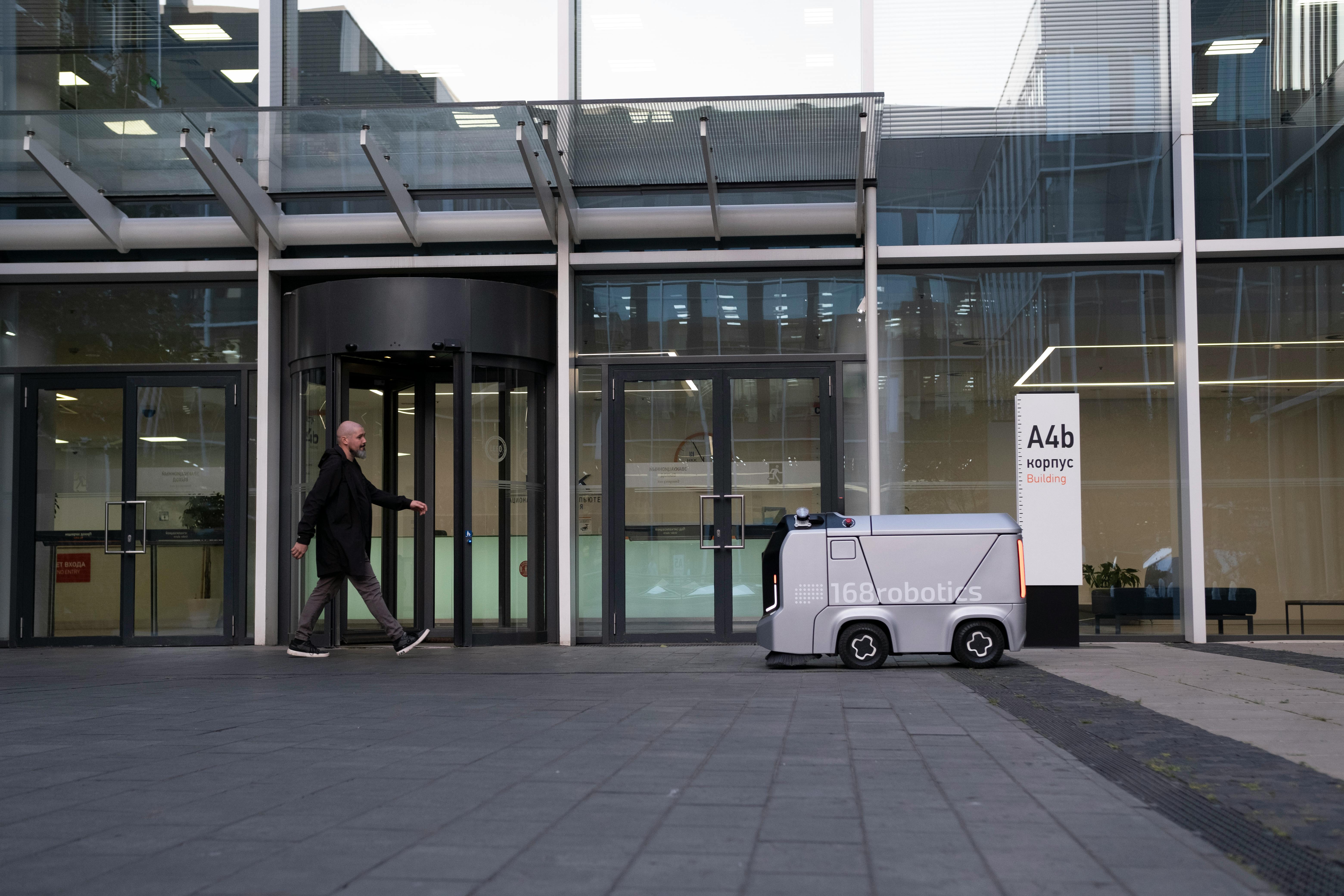
What's telling is where Oxa focuses its efforts. Whilst Wayve—the other British AV firm Nvidia backed just weeks ago with £950 million—chases consumer robotaxis, Oxa targets industrial applications: warehouses, airports, shipping ports. These are controlled environments where the technology faces fewer edge cases than London traffic. The addressable market is smaller, certainly. But the path to revenue that covers more than 4 per cent of your losses might be shorter.
Enjoying this article?
Get stories like this in your inbox every week.
The robotaxi mirage versus industrial reality
Greg Smith, IP Group's chief executive, describes Oxa's technology as a 'universal AI driver' capable of scaling 'across industrial vehicles and environments as adoption accelerates'. That promotional framing deserves scrutiny. There's nothing universal about software trained primarily for logistics yards, and adoption in this sector remains glacial rather than accelerating.
One approach makes for compelling headlines. The other might actually generate sustainable revenue before the money runs out.
What's interesting here is the divergence in British AV strategy. Wayve is betting £950 million that it can crack consumer robotaxis in one of the world's most complex driving environments. Oxa is pursuing the decidedly less sexy proposition of automating forklifts and airport tugs.
The company hasn't disclosed its new valuation, though estimates place it around £375 million. That's roughly half of Wayve's £6.4 billion valuation, despite Oxa having a decade of operating history and 400 staff. The valuation gap reflects market scepticism about industrial autonomy's upside—or perhaps realism about its cost structure.
Why taxpayers are backing loss-makers
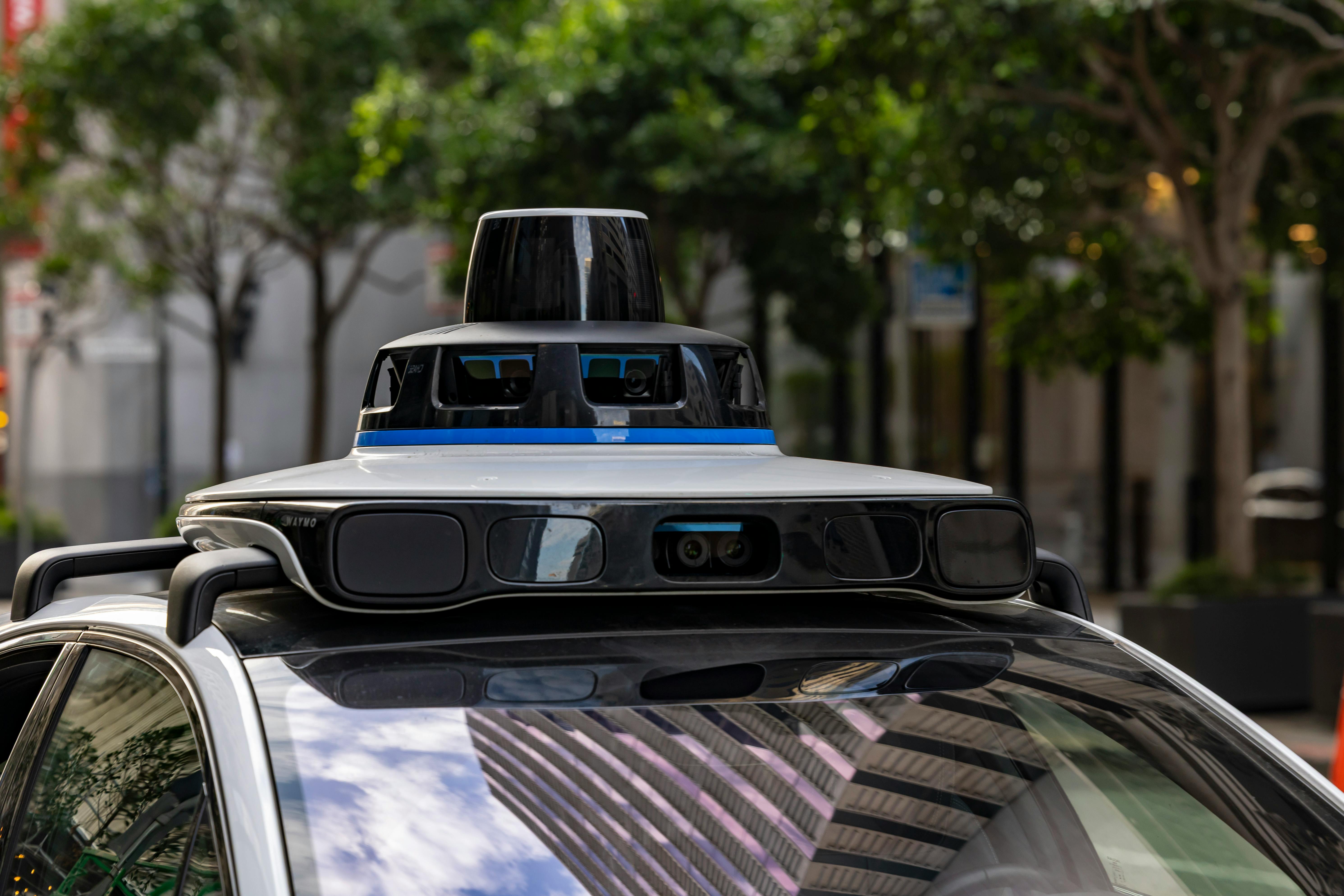
The National Wealth Fund's participation deserves particular attention. Launched to deploy government capital into growth sectors, the fund is explicitly using taxpayer money to back a company whose latest accounts show losses expanding faster than revenue. The bet isn't on Oxa's current financial health—it's on Britain establishing itself as an autonomous vehicle hub before the sector consolidates.
By backing Oxa and Wayve, Nvidia ensures it captures the compute revenue regardless of which path to commercialisation proves viable.
That positioning strategy explains why Nvidia is writing cheques to British AV firms despite their divergent approaches. The chipmaker doesn't need to pick winners between industrial automation and consumer robotaxis. Its hardware powers both.
BP's involvement signals something else: energy giants hedging their bets on a post-petroleum future. Autonomous industrial vehicles might move goods rather than people, but they still need charging infrastructure and energy management systems. For an oil major repositioning itself around the energy transition, Oxa represents an option on future fleet electrification contracts.
The write-down paradox
The fact that IP Group and Ocado wrote down their stakes before participating in this funding round creates an awkward narrative. Write-downs typically signal diminished confidence. Reinvesting immediately after suggests either that the markdowns were accounting formalities rather than strategic judgements, or that these investors are protecting existing positions rather than backing fresh opportunity.
According to filings with Companies House, Oxa attributed its ballooning losses partly to 'a significant charge in connection with the group's share incentive plan'. Translation: the company is compensating staff with equity because cash is better spent on development. That's standard startup practice, but at this scale and stage, it raises questions about when—or whether—cash compensation becomes sustainable.
The accounts show losses increased by more than 90 per cent year-on-year. Revenue of £3.1 million represents a rounding error against a £68.9 million loss. Even allowing for heavy R&D investment typical in autonomous systems, these numbers suggest commercialisation remains distant.
British Business Secretary Jonathan Reynolds has championed the country's AV sector as a post-Brexit industrial opportunity. The regulatory framework for autonomous vehicles in the UK is indeed more permissive than much of Europe. But permissive regulation doesn't guarantee commercial success, and government-backed investment in persistently loss-making firms invites scrutiny about whether industrial strategy is crowding out market discipline.
Wayve's forthcoming London robotaxi trials, beginning later this year, will provide a real-world test of Britain's consumer AV ambitions. Oxa's industrial focus means its moment of truth will be quieter—commercial contracts at scale in controlled environments, measured in deployment numbers and revenue growth rather than headlines. Nvidia has positioned itself to profit from both outcomes. Taxpayers funding the National Wealth Fund's stake will need to wait considerably longer to learn which bet pays off.
- Nvidia's dual investment strategy in British AV firms hedges compute hardware sales regardless of whether industrial automation or consumer robotaxis prove commercially viable first
- The National Wealth Fund's taxpayer-backed investment signals government prioritisation of sector positioning over near-term profitability, betting on Britain becoming an AV hub before global consolidation
- Watch whether Oxa can convert its controlled-environment focus into sustainable commercial contracts before its runway expires—industrial autonomy's quieter path may prove more financially viable than headline-grabbing robotaxi ambitions

Co-Founder
Multi-award winning serial entrepreneur and founder/CEO of Venntro Media Group, the company behind White Label Dating. Founded his first agency while at university in 1997. Awards include Ernst & Young Entrepreneur of the Year (2013) and IoD Young Director of the Year (2014). Co-founder of Business Fortitude.
Comments
💬 What are your thoughts on this story? Join the conversation below.
to join the conversation.