Supermarkets' Meal Deals Threaten Casual Dining's Survival
- Supermarket till sales rose 3.3% in the four weeks to 22 February, whilst item volumes fell 0.8%—shoppers are paying more but buying less
- Households spent £58.5m on own-label fresh ready meals over the Valentine's period, with £39m spent on premium supermarket meals in Valentine's week alone
- Supermarket meal deals at £25 for two (£12.50 per head) directly undercut mid-market restaurants charging £15-25 per person
- Online grocery sales climbed 9.7% year-on-year, with more than 18 million orders placed in four weeks—indicating permanent behaviour change
Supermarkets are quietly demolishing Britain's casual dining sector, one £25 meal deal at a time. The latest grocery figures reveal a striking paradox that captures the entire shift: shoppers are paying more but walking out with less, and they're making ruthlessly strategic choices about where to absorb that pain. Date night has relocated from the high street to the kitchen table, and the numbers suggest it's not coming back.

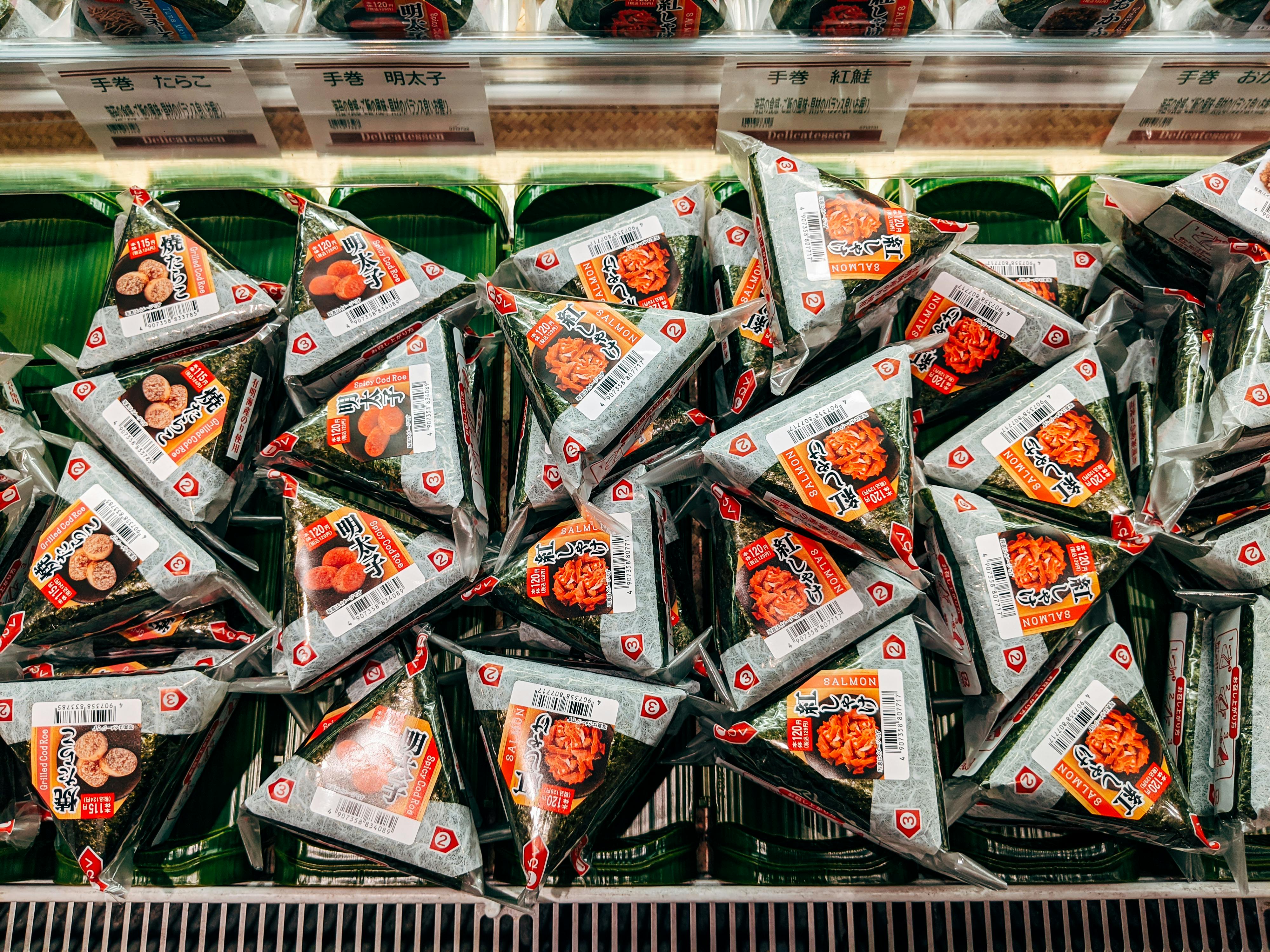
The clearest signal sits in the Valentine's Day data. According to NIQ, households spent £58.5m on own-label fresh ready meals over the four-week period, a figure that suggests roses and restaurant reservations gave way to prawn linguine from Tesco. Worldpanel by Numerator paints an even sharper picture: £39m spent on high-end supermarket meals in Valentine's week alone, seven times the previous week's figure.
The methodologies differ—one tracks four weeks of own-label purchases, the other a single week across premium ranges—but both point to the same conclusion. What's interesting here is not simply that people are eating at home to save money. They've always done that during economic squeezes.
Enjoying this article?
Get stories like this in your inbox every week.
Supermarkets have positioned dine-in meal deals, typically three courses for two people at £25, as a form of accessible luxury. It's the premiumisation of poverty, elegantly executed.
That works out to £12.50 per head, a price point that directly undercuts mid-market restaurant offerings whilst delivering the psychological satisfaction of "treating yourself." The shift is qualitative, not just quantitative.
The arithmetic facing casual dining
For restaurants already navigating higher wage costs, energy bills, and post-pandemic debt loads, this presents an existential problem. The maths is brutal. A casual dining chain needs to charge £15-25 per head to cover overheads, staff, and margin.
Supermarkets, leveraging vertical integration and own-brand manufacturing, can offer comparable perceived value at half the cost whilst maintaining healthy margins on products that would otherwise compete in a crowded centre-aisle category. The competitive dynamic has fundamentally altered.
Restaurants aren't just competing with other restaurants anymore. They're competing with retailers who control supply chains, own the customer data, and can afford to treat meal deals as loss leaders if necessary (though current evidence suggests they don't need to).
Own-label unit growth reached 1% whilst branded products dropped 2.2%—these aren't distress purchases, they're calculated trade-offs by households who've decided that £50 saved on a restaurant bill matters more than the experience of being served.
Some 15% of households report planning to switch to own-label products, with another 16% trading down from premium brands to cheaper alternatives, according to NIQ. Consumer caution, once embedded, tends to persist even as conditions improve.
The structural shift beneath the surface
Online grocery sales climbed 9.7% year-on-year, with more than 18 million orders placed in the four weeks before 22 February, according to Worldpanel. That growth rate, sustained well after pandemic lockdowns ended, indicates permanent behaviour change rather than temporary adaptation.
Fraser McKevitt, head of retail and consumer insight at Worldpanel by Numerator, notes that whilst affluent families in London and the Southeast remain the core online grocery demographic, the channel is broadening beyond its traditional base. Convenience, not just cost, is driving adoption across income brackets.
This matters for two reasons. First, every online order represents reduced footfall on high streets where casual dining chains depend on passing trade. Second, it signals continued capital allocation towards last-mile delivery infrastructure—investment that reinforces the convenience advantage supermarkets now hold over restaurants that lack comparable delivery economics.
The broader economic context complicates the recovery timeline for hospitality. Whilst some analysts have cited Middle East tensions as a factor potentially delaying Bank of England rate cuts, the more fundamental issue is that households have recalibrated their spending patterns in ways that may outlast the immediate inflationary pressure. Real wage growth has recently turned positive, suggesting this isn't purely about affordability.
The divergence between rising sales values and falling volumes captures the entire dynamic in miniature. Inflation may be easing from its peak, but households are still paying more for less. They've responded by seeking perceived value wherever they can construct it—and supermarkets have made that construction remarkably easy.
The strategic reckoning ahead
Casual dining operators face a strategic choice: either compete directly on price, which most cannot afford to do profitably, or differentiate on experience in ways that justify the premium. The middle ground, where many chains have historically operated, is becoming commercially untenable.
The emergence of a super-premium ready meals market has further blurred the lines between restaurant-quality food and home dining. Meanwhile, restaurants face a double whammy of rising costs and customers with less disposable income, creating what industry observers describe as a policy environment disconnected from the reality facing hospitality operators.
Supermarkets aren't just taking market share. They're redefining what "eating out" means when staying in offers similar satisfaction at half the cost. The sector's next phase will determine which restaurant brands can articulate a value proposition that transcends the arithmetic, and which simply become another casualty of retailers' expanding dominance.
- The competitive landscape has permanently shifted—restaurants now compete with vertically integrated retailers who control supply chains, customer data, and delivery infrastructure at scale
- This isn't temporary belt-tightening; behaviour changes persist even as real wages grow, suggesting consumer recalibration outlasts immediate economic pressure
- The middle market is collapsing—casual dining chains must either justify significant premiums through experience or accept they're competing in a price war they cannot win

Co-Founder
Multi-award winning serial entrepreneur and founder/CEO of Venntro Media Group, the company behind White Label Dating. Founded his first agency while at university in 1997. Awards include Ernst & Young Entrepreneur of the Year (2013) and IoD Young Director of the Year (2014). Co-founder of Business Fortitude.
Comments
💬 What are your thoughts on this story? Join the conversation below.
to join the conversation.