Labour's Housing Pledge Faces Reality: Construction Sector in Crisis
- Britain's construction PMI fell to 44.5 in February, down from 46.4 in January, marking the lowest level in three months
- The sector has contracted for 13 consecutive months, with residential construction the worst performer at 47
- Input costs have risen to their highest level since mid-2024, with concrete, copper and steel prices surging
- Labour's pledge to deliver 1.5 million new homes faces mounting challenges as housebuilding activity collapses
The numbers make grim reading for Steve Reed. Britain's construction sector contracted sharply in February, with output falling to its lowest level in three months as housebuilding bore the brunt of what's becoming an existential crisis for Labour's flagship housing pledge. The housing secretary must be acutely aware that his government's promise to deliver 1.5 million new homes now looks uncomfortably ambitious.
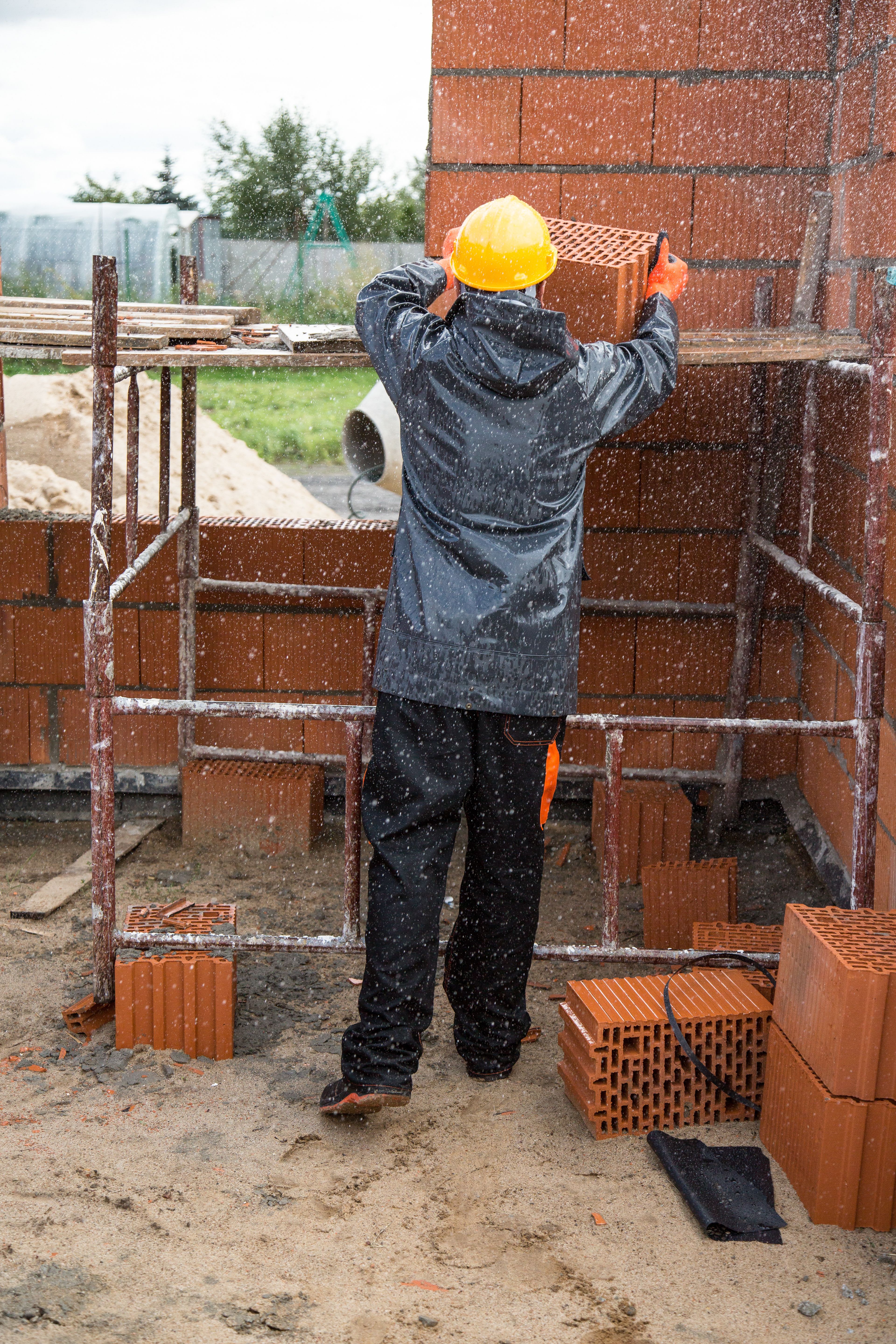
Firms across the sector reported delays and stalled projects, with industry bosses citing waterlogged sites and persistent rainfall as immediate obstacles. But the weather narrative, whilst convenient, obscures a more troubling reality.
Thirteen months of decline tells its own story
New construction business has contracted for 13 consecutive months. That's more than a year of sustained weakness, a pattern that suggests structural fragility rather than meteorological misfortune. What's interesting here is the gap between the convenient explanation and the underlying data.
Enjoying this article?
Get stories like this in your inbox every week.
You don't rack up over a year of falling orders because of rain.
S&P Global's survey of construction company executives revealed that weak demand and a drought of new project starts were the primary concerns. Some improvements in infrastructure and energy sector work failed to offset the residential collapse, where orders have evaporated even as the government talks up planning reform and ambitious building targets.
The timing presents an awkward contradiction. Labour swept to power partly on the strength of its commitment to solve Britain's housing crisis through sheer volume of construction. Yet within months, the sector most critical to that ambition is accelerating its descent.
Cost pressures compound the squeeze
Adding to builders' woes, input costs have climbed to their highest level since mid-2024. Prices for concrete, copper and steel have all surged, squeezing margins precisely when demand is weakening. This combination poses particular dangers for smaller construction firms, which typically operate on tight margins and lack the balance sheet strength to weather extended periods of rising costs and falling revenue.
For the thousands of medium-sized builders who drive residential construction activity, this pincer movement of falling orders and rising materials costs creates impossible arithmetic. Employment in the sector has nearly stabilised, the survey data suggests, but that likely reflects reluctance to hire rather than genuine strength.

Tim Moore, economics director at S&P Global, pointed to the sharp deterioration in housebuilding as the main factor behind February's setback. Total industry activity has declined every month since January 2025, he noted, with the latest drop faster than the average over this period.
Interest rates hold the key, but clarity remains elusive
The sector's immediate fate rests substantially with the Bank of England's Monetary Policy Committee. Another rate cut would provide some relief to construction firms and potentially revive residential demand, which remains acutely sensitive to borrowing costs. Most homebuilding depends on buyers securing mortgages, and mortgage rates track Bank of England policy with uncomfortable proximity.
Even the analysts talking up potential recovery are hedging their optimism with recognition of deeper problems.
Elliott Jordan-Doak from Pantheon Macroeconomics suggested that sentiment 'could come quickly when the skies clear', though he acknowledged that confidence was 'chronically weak in any case'. That caveat matters.
Complicating the picture further, some economists fear that escalating tensions in the Middle East could keep interest rates elevated for longer than previously expected. Energy price volatility and inflation concerns stemming from geopolitical instability could stay the MPC's hand on further cuts. Jordan-Doak himself predicted that activity would 'remain muted over the coming year as trade and geopolitical tensions weigh on confidence amongst builders'.

The construction sector employs millions and serves as a reliable leading indicator of broader economic health. When builders stop building, the ripple effects touch everything from materials suppliers to white goods manufacturers to conveyancing solicitors. A sustained construction recession doesn't stay contained.
For Labour, the political stakes are straightforward. The 1.5 million homes pledge wasn't just another manifesto commitment but a central economic promise tied directly to the party's broader growth agenda. Housing shortages constrain labour mobility, inflate rents, and trap wealth in unproductive assets.
Whether planning reform and government exhortation can overcome weak demand, rising costs, and chronically poor confidence will become clear over the coming quarters. The construction data will tell that story more honestly than any ministerial statement.
- Watch Bank of England rate decisions closely: further cuts are essential to reviving residential construction demand, but geopolitical tensions may delay monetary easing
- Labour's 1.5 million homes target faces serious credibility risk if the 13-month contraction continues, with political consequences extending beyond housing policy to broader economic growth promises
- The combination of weak demand and rising input costs creates a dangerous squeeze for medium-sized builders, suggesting potential market consolidation or firm failures ahead

Co-Founder
Multi-award winning serial entrepreneur and founder/CEO of Venntro Media Group, the company behind White Label Dating. Founded his first agency while at university in 1997. Awards include Ernst & Young Entrepreneur of the Year (2013) and IoD Young Director of the Year (2014). Co-founder of Business Fortitude.
Comments
💬 What are your thoughts on this story? Join the conversation below.
to join the conversation.