Cotswolds Distillery Bets on Englishness to Challenge Scotch Dominance
- English whisky was completely extinct for 101 years between 1905 and 2006, whilst Scotch built centuries of reputation
- UK gin consumption nearly tripled from 35 million to 96 million bottles between 2011 and 2020, with artisan gin sales surging 167% in 2018 alone
- The Cotswolds receives approximately 35 million visitors annually, with Americans and Canadians representing 40% of the tour market
- Irish whiskey exports more than doubled from £340 million in 2008 to over £850 million by 2022, demonstrating how emerging categories can scale
A former Wall Street financier is betting that Cotswolds charm and royal connections can do what seemed impossible a generation ago: persuade global drinkers to reach for English single malt instead of Scotch. Dan Szor's distillery, founded just over a decade ago in a sector that barely existed when he started, has racked up gold medals and partnerships with Fortnum & Mason and King Charles III. The question is whether awards and aristocratic branding can transform English whisky from a curiosity into a serious export category.
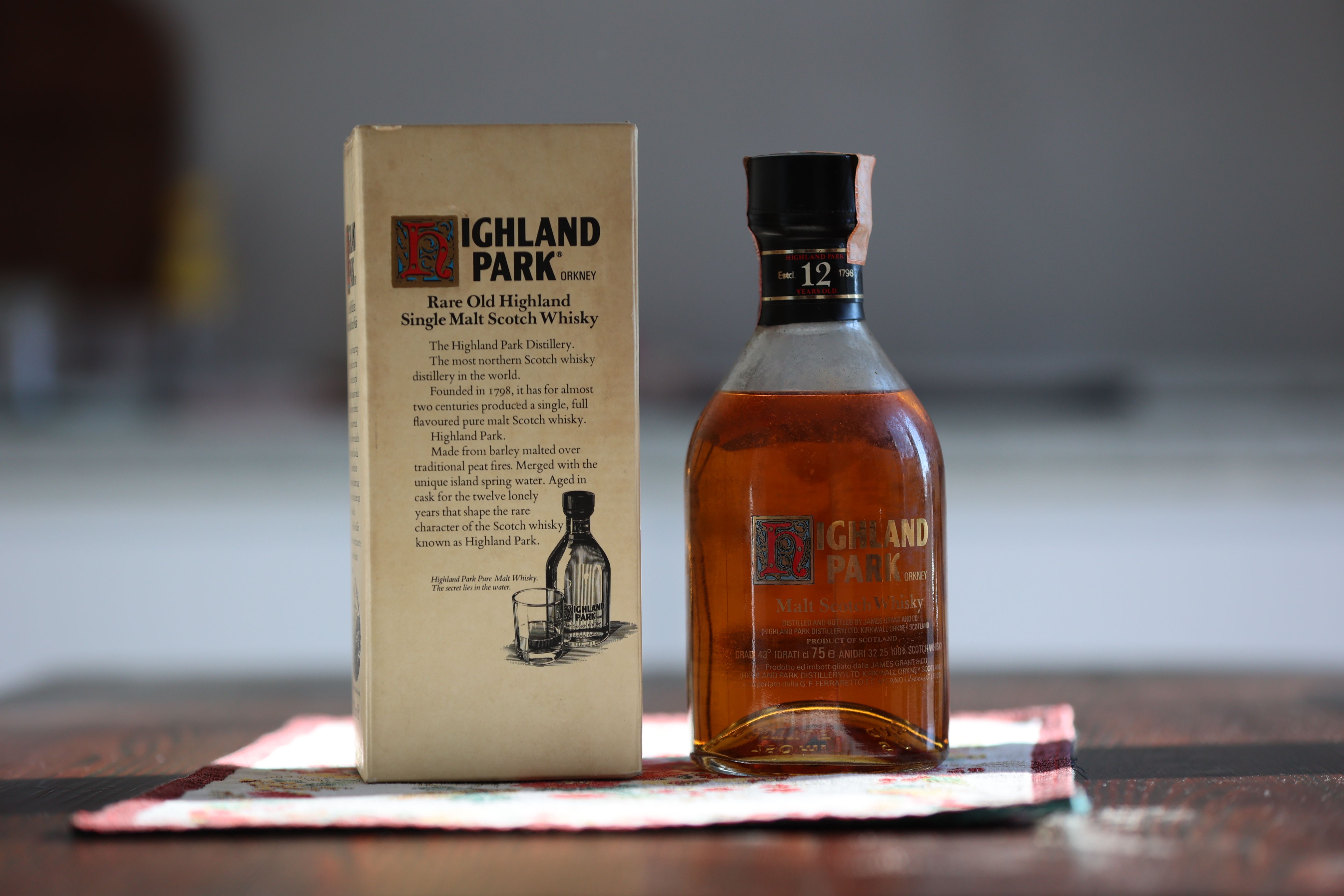
The challenge is formidable. Scotch has spent centuries building its reputation. English whisky was completely extinct for 101 years, disappearing when the last distillery shuttered in 1905 and only re-emerging in 2006 when The English Whisky Company in Norfolk fired up its stills.
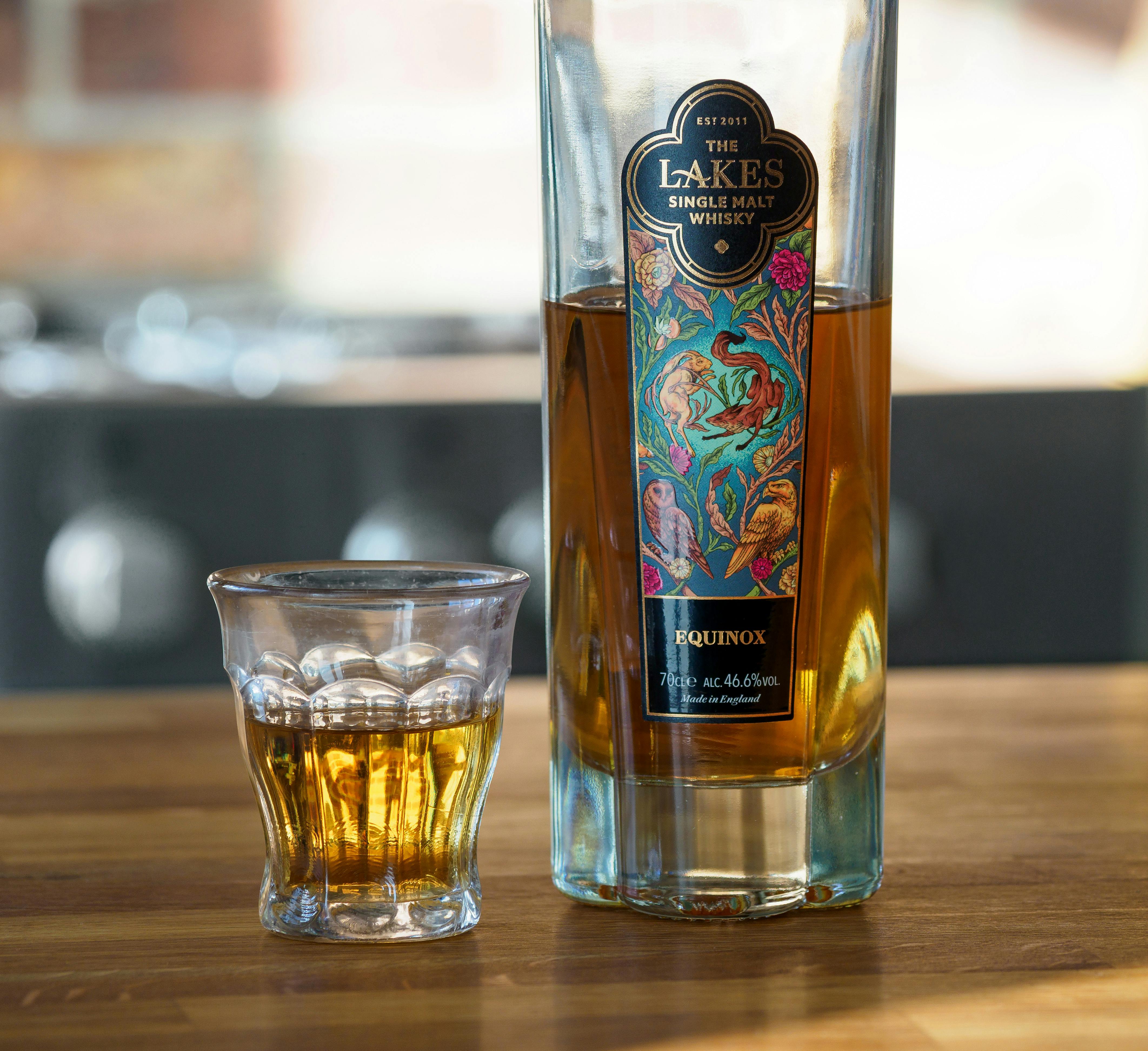
The current wave of English producers is even younger than that. Of the roughly 60 distilleries now operating across England, virtually all have launched in the past ten years. Cotswolds Distillery itself opened in 2014.
Enjoying this article?
Get stories like this in your inbox every week.
The Gin Strategy
What Szor recognised early was that whisky would need time to mature, but gin could generate revenue immediately. His timing proved exceptional. According to figures from research firm IWSR, UK gin consumption nearly tripled from 35 million 70cl bottles in 2011 to 96 million by 2020, driven largely by premium artisan brands.
In 2018 alone, sales of artisan gins at major grocers surged 167 per cent compared with just 30 per cent growth for mass-market labels. The distillery released Cotswolds Dry Gin shortly after founding, building brand recognition and cash flow whilst its first whisky aged in barrels.
That boom has now subsided. English distilleries that rode the craft spirits wave must now prove their whisky can compete on its own merits, without novelty appeal or lockdown spending to cushion sales.
Premium spirits sales benefited from pandemic-era spending patterns that have since corrected, and the artisan gin market has become saturated.
Weaponising Tourism and Terroir
Cotswolds Distillery is leaning hard into its geography and a very particular vision of Englishness. The operation sources barley from within a 50-mile radius and has positioned itself at the centre of one of England's most visited tourism regions. Visitor numbers to the Cotswolds have climbed to roughly 35 million annually, surpassing pre-pandemic levels by substantial margins in some areas.
Americans and Canadians account for approximately 40 per cent of the tour market, whilst Indian visitors now represent four per cent of the customer base. This reflects changing global wealth patterns.
Whether distillery visits represent a meaningful fraction of that 35 million remains unclear, but the regional halo effect is undeniable. What's interesting here is how Szor is weaponising that tourism traffic and the associations it carries: rolling hills, historic estates, a certain vision of pastoral England that sells exceptionally well abroad.

The royal collaboration makes that strategy explicit. Cotswolds Distillery's Highgrove Evergreen expression uses heritage Plumage Archer barley grown on King Charles III's Gloucestershire estate, and the packaging features a painting of Highgrove House by the King himself. The product employs traditional floor malting to create what Szor describes as a 'very direct link between field and glass', positioning English whisky alongside wine in terms of terroir and provenance rather than competing purely on age statements.
The Age Problem
That positioning matters because English whisky faces an inherent handicap: it's young. Scotch distilleries routinely release 12, 15, and 18-year expressions. English producers are working with spirit that's often under a decade old.
Szor argues that age is overrated. According to him, a younger whisky made with exceptional ingredients and careful cask selection can outperform older spirit that hasn't been treated with the same care. That's a defensible position, particularly given how Japanese whisky challenged age orthodoxy over the past two decades, but it remains a marketing argument rather than settled fact.
Convincing whisky drinkers accustomed to age statements will require consistent blind-tasting victories and critical acclaim.
Cotswolds has secured some of that validation. The distillery won gold for its Sherry Cask Single Malt at the 2025 World Whiskies Awards and gold at the 2023 San Francisco World Spirits Competition for its Bourbon Cask expression. Awards don't guarantee sales, but they provide the credibility needed to justify premium pricing and shelf space in international markets.
Global Ambitions and Category Building
Szor's stated ambition is to move beyond craft distillery status and become 'the defining brand of English single malt whisky' globally. He draws explicit parallels to how Irish and Japanese whisky built international recognition over the past 20 years, transforming from niche categories into mainstream alternatives to Scotch.
Irish whiskey exports grew from roughly £340 million in 2008 to over £850 million by 2022, according to industry figures. Japanese whisky followed a similar trajectory, leveraging quality awards and cultural cachet to command premium prices.
The broader context is less encouraging. The UK spirits market is cooling after its pandemic spike, with cost-of-living pressures dampening premium product sales. Potential US tariffs loom over British exporters, and the post-pandemic normalisation of drinking habits has hit craft producers particularly hard.
English whisky's advantage may be that it's starting from such a low base. There's nowhere to go but up. But that also means limited infrastructure, distribution networks, and brand recognition compared with established categories.
Whether English single malt becomes the next Japanese whisky or remains a boutique category will depend on producers beyond Cotswolds as well. A successful export category requires multiple strong brands, consistent quality signals, and enough volume to justify distributor attention. With 38 English distilleries now selling spirit and more preparing releases, the sector has numbers.
What it lacks is time, both for whisky to age and for global drinkers to shift decades-old purchasing habits. Szor is banking that Englishness itself, packaged correctly and marketed aggressively, can compress that timeline.
- English whisky must convince drinkers that quality and terroir matter more than age statements, challenging orthodoxy that took Japanese producers two decades to shift
- Watch whether the cooling UK premium spirits market and potential US tariffs derail export ambitions before English distilleries achieve the critical mass needed for category credibility
- The sector's success depends on multiple producers delivering consistent quality, not just Cotswolds, meaning the next five years will determine whether English whisky becomes a legitimate global category or remains a curiosity

Co-Founder
Multi-award winning serial entrepreneur and founder/CEO of Venntro Media Group, the company behind White Label Dating. Founded his first agency while at university in 1997. Awards include Ernst & Young Entrepreneur of the Year (2013) and IoD Young Director of the Year (2014). Co-founder of Business Fortitude.
Comments
💬 What are your thoughts on this story? Join the conversation below.
to join the conversation.