F1's Betway Deal Excludes US: A Strategic Gamble or Missed Opportunity?
- Formula 1 has signed Betway as its first official betting operator, covering Europe, Middle East, Africa, Canada and Mexico—but excluding the United States and Australia
- Americans have legally staked more than $330bn on sporting events since the Supreme Court overturned the federal betting ban in 2018
- F1's female fanbase grew 36% globally between 2018 and 2022, whilst fans under 35 increased from 40% to 48%
- UK Gambling Commission data shows 2.3% of British adults—approximately 1.4 million people—now experience gambling problems, with sports betting a major driver
Formula 1 has finally done what critics long feared and boosters long predicted: signed its first betting operator sponsorship. But the real story isn't the deal itself—it's where it doesn't apply. The geographical exclusions reveal more about F1's current commercial tensions than any partnership announcement ever could.
Betway's partnership with F1, announced this week, covers Europe, the Middle East, Africa, Canada and Mexico. Missing from that list? The United States, where the sport has poured resources into expansion over the past five years, and Australia, which hosts this Sunday's season opener in Melbourne.
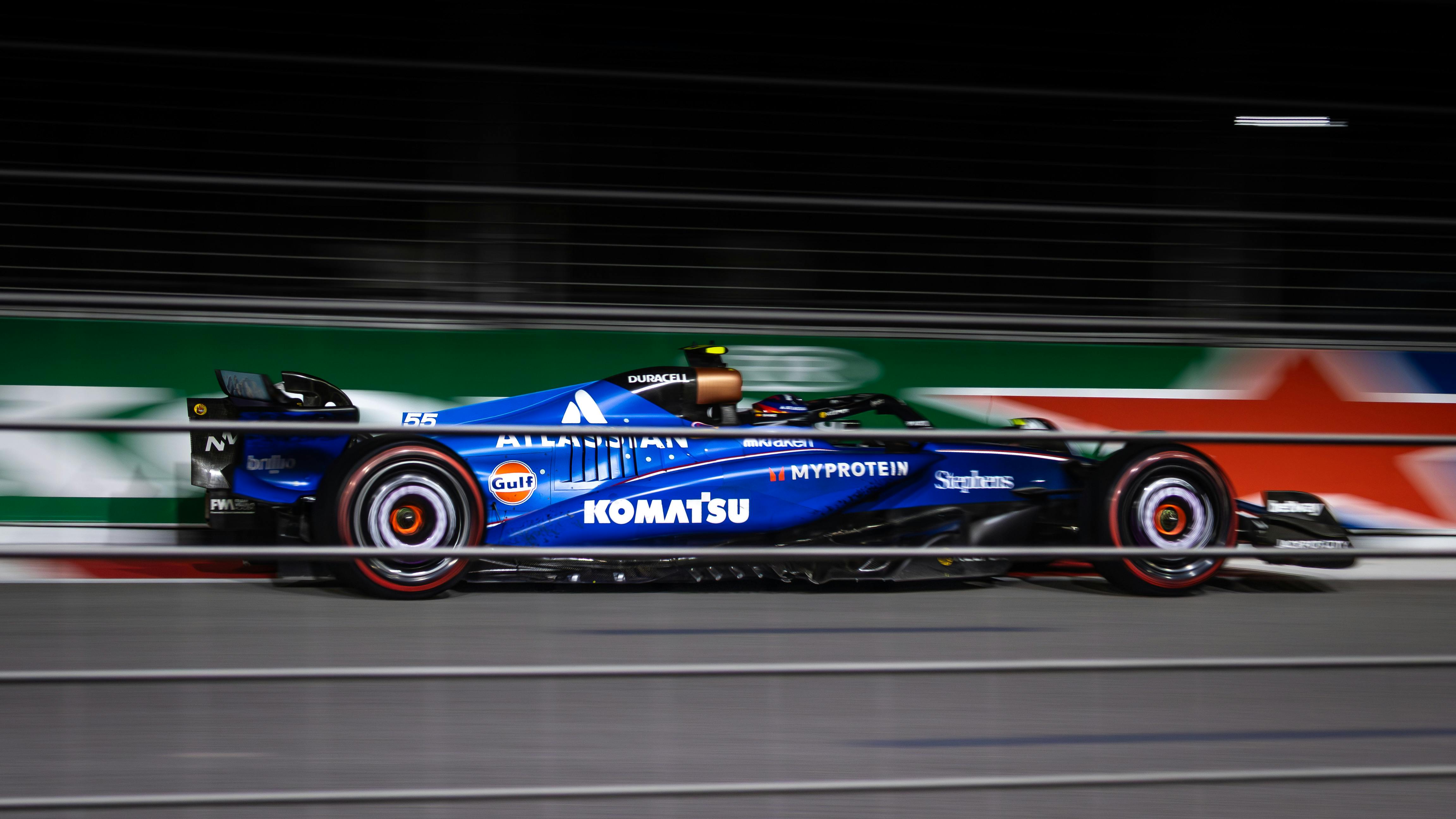
The partnership allows punters to place in-play wagers on race strategy elements—safety car periods, pit stop windows, overtaking battles. According to Jonny Haworth from Formula 1, "sports betting is now a natural extension of how many modern fans engage with live events." The line carries the whiff of inevitability that betting operators love to cultivate, though anti-gambling campaigners would dispute whether normalising constant wagering truly represents progress in fan engagement.
Enjoying this article?
Get stories like this in your inbox every week.
The American irony
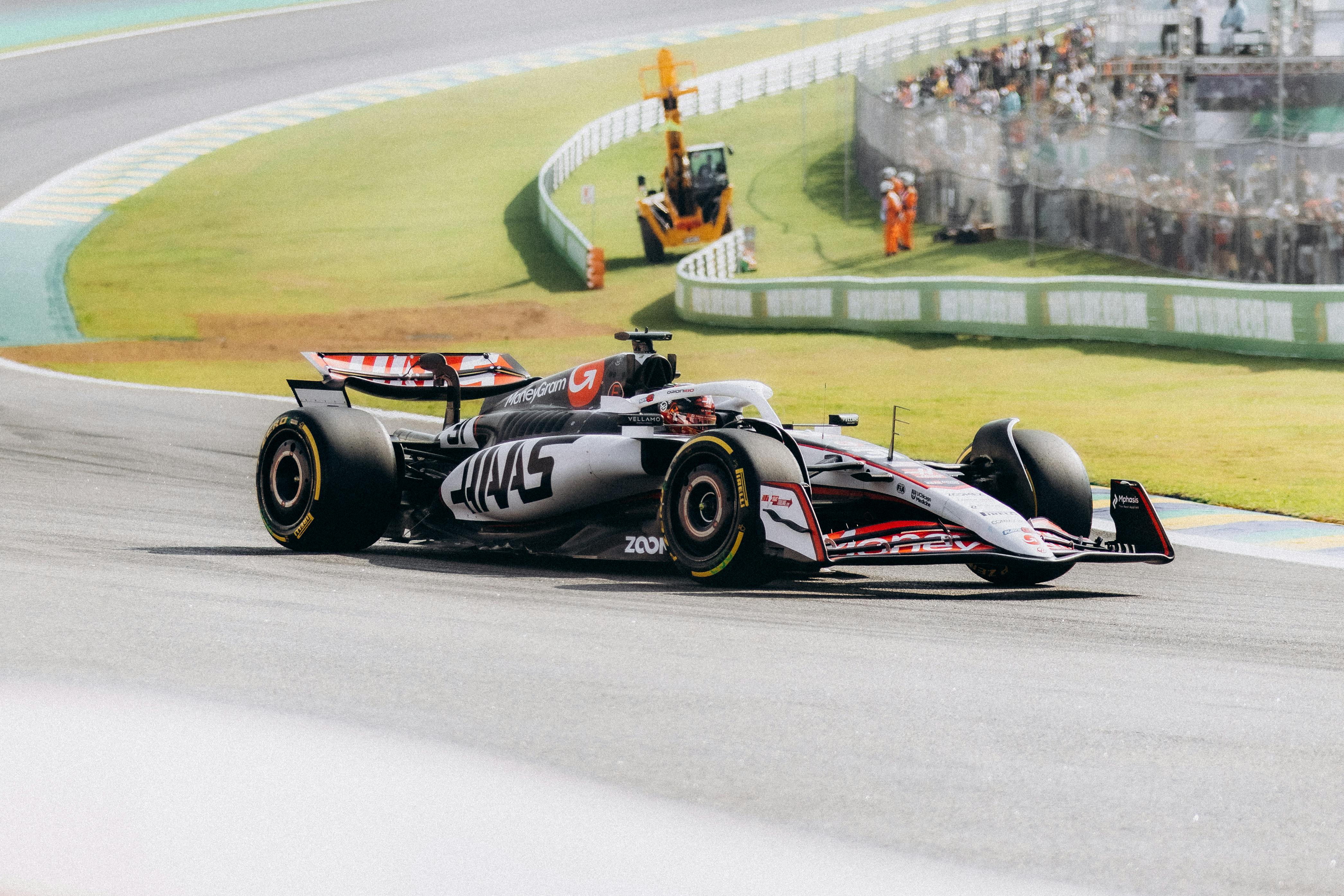
What makes this geographical carve-out so striking is the timing. F1 has spent the better part of half a decade courting American audiences with aggressive expansion. Three US races now sit on the calendar—Miami, Austin, and Las Vegas.
The Netflix series 'Drive to Survive' was designed primarily to crack the American market. The sport's owner, Liberty Media, is itself an American company. Yet F1 has stepped carefully around the very market where sports betting has exploded.
Since the Supreme Court overturned the federal ban on sports wagering in 2018, Americans have legally staked more than $330bn on sporting events, with every major US sports league having inked lucrative betting partnerships.
The calculus appears to be regulatory caution rather than moral objection. US gambling laws remain a patchwork of state-by-state regulations, with meaningful differences in advertising standards, data-sharing requirements, and liability frameworks. For a global sport trying to project premium brand positioning, that complexity may not be worth the revenue.
Australia's exclusion follows different logic. The country banned gambling advertising during live sport broadcasts in 2018 after years of public outcry over saturation. More restrictions followed in 2022, limiting the times betting ads could air.
For F1, maintaining presence in the lucrative Australian market—Melbourne's race regularly draws crowds above 400,000—outweighs whatever Betway might pay for inclusion.
Brand contradictions
The awkwardness runs deeper than geography. Formula 1 has spent the past three years deliberately repositioning itself towards family audiences and younger demographics, particularly women. Partnership announcements tell that story clearly: a $1.5bn, 10-year deal with luxury conglomerate LVMH signed last year; tie-ups with Disney, KitKat and Lego designed to broaden appeal beyond the sport's traditional middle-aged male base.
Research from Nielsen Sports found that F1's female fanbase grew 36% globally between 2018 and 2022, whilst the proportion of fans under 35 increased from 40% to 48%. Those gains represent years of strategic investment in content and accessibility. They also represent demographics that sit uneasily alongside gambling partnerships.
The betting industry insists its products appeal to engaged, sophisticated fans who enhance their viewing experience through strategic wagering. Critics point to data from the UK Gambling Commission showing that 2.3% of British adults—approximately 1.4 million people—now experience gambling problems, with sports betting a major driver.
The Commission's own research found that 15% of men aged 16-24 were at moderate or high risk of gambling harm.
F1's statement positioned the Betway deal as an innovation in fan engagement, emphasising "cutting-edge metrics that are accurate, consistent and official." Strip away the promotional language and you're left with a revenue stream that carries meaningful reputational risk, particularly in markets where the sport is still building mainstream appeal.
What comes next
Other major sports provide a preview of where this trajectory leads. English football's relationship with betting sponsors has moved from peripheral to ubiquitous over the past 15 years, with bookmakers becoming title sponsors for multiple Premier League clubs. That saturation prompted a voluntary withdrawal agreement in 2023, with clubs agreeing to phase out front-of-shirt gambling sponsors by the 2026-27 season after sustained pressure from campaigners and politicians.
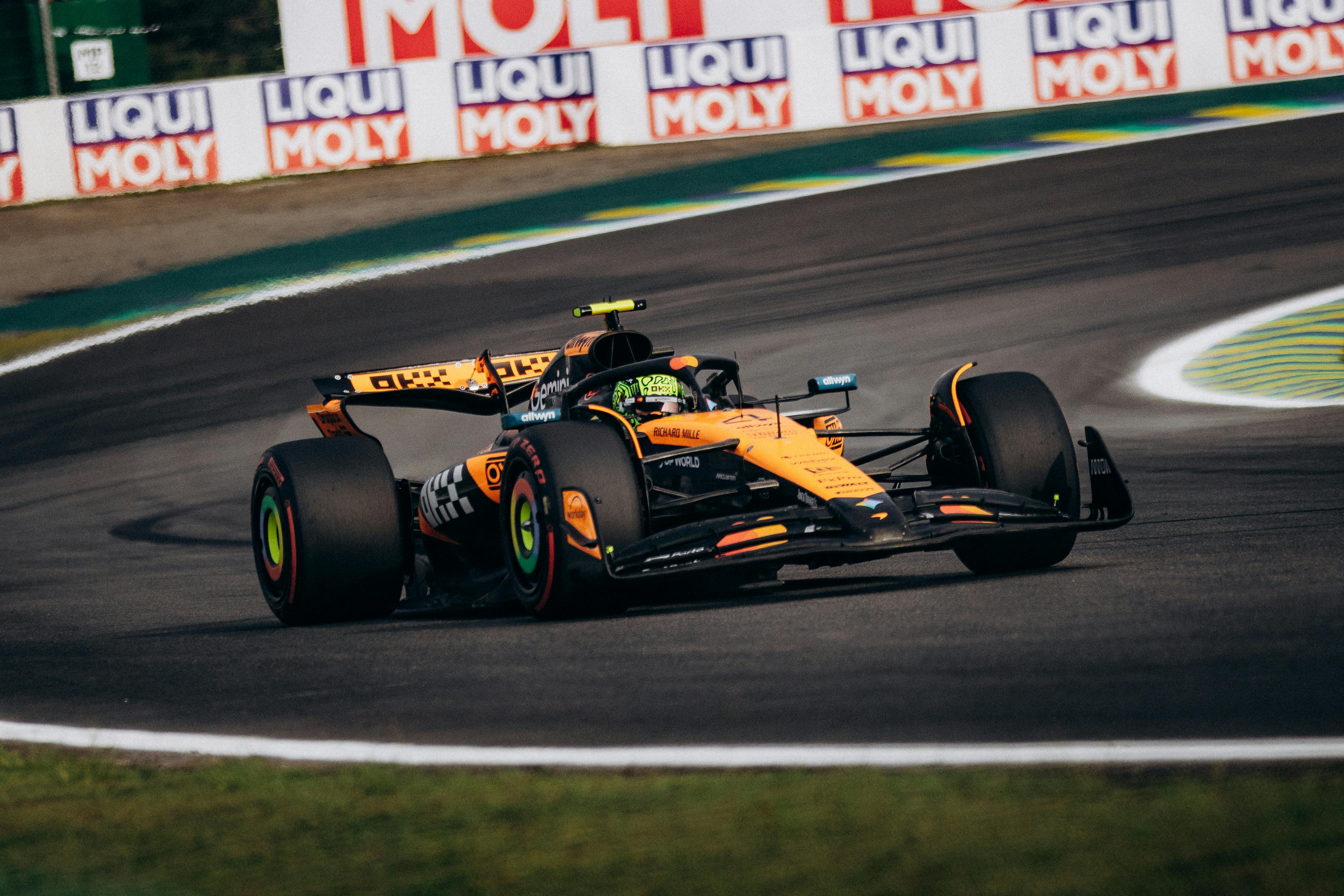
Formula 1 may calculate that its global, event-based model provides more control than football's club-by-club ecosystem. The geographical exclusions in the Betway deal suggest F1 intends to manage betting partnerships market by market, prioritising regulatory compliance and brand protection over maximum short-term revenue.
Whether that discipline holds as pressure builds on traditional sponsorship categories—automotive manufacturers pivoting to electric, oil companies facing ESG scrutiny—will determine if this becomes a measured commercial diversification or the opening move in a more problematic dependence. The Betway partnership is structured as a regional deal, not a global title sponsorship. That distinction matters, for now.
The true test arrives when a betting operator offers F1 the kind of money that's hard to refuse for naming rights that span every market, including America. That conversation is surely already happening.
- F1's regional approach to betting sponsorship suggests the sport is prioritising brand protection over immediate revenue maximisation, but pressure from declining traditional sponsor categories may test this discipline
- Watch whether F1 maintains its geographical boundaries as betting operators inevitably offer larger sums for global naming rights, particularly covering the crucial American market
- The tension between F1's family-friendly repositioning and gambling partnerships mirrors English football's trajectory—which required regulatory intervention to reverse after saturation became politically untenable

Co-Founder
Multi-award winning serial entrepreneur and founder/CEO of Venntro Media Group, the company behind White Label Dating. Founded his first agency while at university in 1997. Awards include Ernst & Young Entrepreneur of the Year (2013) and IoD Young Director of the Year (2014). Co-founder of Business Fortitude.
Comments
💬 What are your thoughts on this story? Join the conversation below.
to join the conversation.