The Gym Group's Gen-Z Pitch: Fitness Over Pubs or Just Clever Marketing?
- The Gym Group reported £10.6m pre-tax profit, up 194% year-on-year, with revenue climbing 8% to £245m
- Gen-Z members now represent 44% of the company's membership base across 260 locations
- British pubs closed at a rate of more than 400 in the first half of 2024 alone
- Research shows 75% of 16-to-24-year-olds engage in strength training at least twice weekly
The chief executive of The Gym Group wants you to believe that Britain's youth have traded tequila shots for protein shakes, choosing the squat rack over the pub as their social venue of choice. The reality, like most corporate narratives wrapped in cultural commentary, is rather more complicated. When a company posts profits up 194 per cent, every executive interview becomes part sales pitch, part investor relations exercise.
Will Orr's claim that Gen-Z members now represent 44 per cent of his company's membership base is undoubtedly true. His interpretation of what this means—that young people are fundamentally reorienting their social lives around fitness rather than alcohol—deserves considerably more scrutiny. Particularly when the company announcing this supposed cultural shift just posted a £10.6m pre-tax profit and has clear financial incentives to position itself as the future of youth leisure spending.
The Gym Group's revenue climbed eight per cent to £245m last year, and its share price jumped two per cent when these figures emerged. The company operates 260 locations with over 900,000 members paying an average £25 monthly. When a business is performing this well, Orr's framing of Gen-Z preferences isn't neutral observation. It's a growth story.
Enjoying this article?
Get stories like this in your inbox every week.
The numbers that don't quite fit
Orr told journalists that £25 per month "is about a round of drinks," positioning gym membership as a value-conscious alternative to pub culture. That calculation only works if you're buying rounds in central London or Manchester city centre on a Saturday night. For young people in most British towns, a month of gym membership still costs significantly more than their typical weekly pub spend—assuming they're going at all.
Research from University College London shows binge drinking rates rising sharply among young people. This doesn't sound like a generation that's abandoned the pub for the treadmill.
The claim that young Brits are drinking less bumps up against inconvenient data. What we're likely seeing instead is polarisation: some young people drinking less or not at all, whilst others maintain or increase consumption. The aggregate picture is messy, not the clean narrative that serves a fitness company's expansion plans.
Industry figures from UKActive showing that 75 per cent of 16-to-24-year-olds engage in strength training at least twice weekly are striking. But this doesn't prove substitution. Young people could be both going to the gym more frequently and maintaining their social drinking habits. The "sober curious" movement is real, documented across multiple consumer surveys, yet it exists alongside persistent alcohol consumption in the same demographic.
Nightclub lighting and cultural positioning
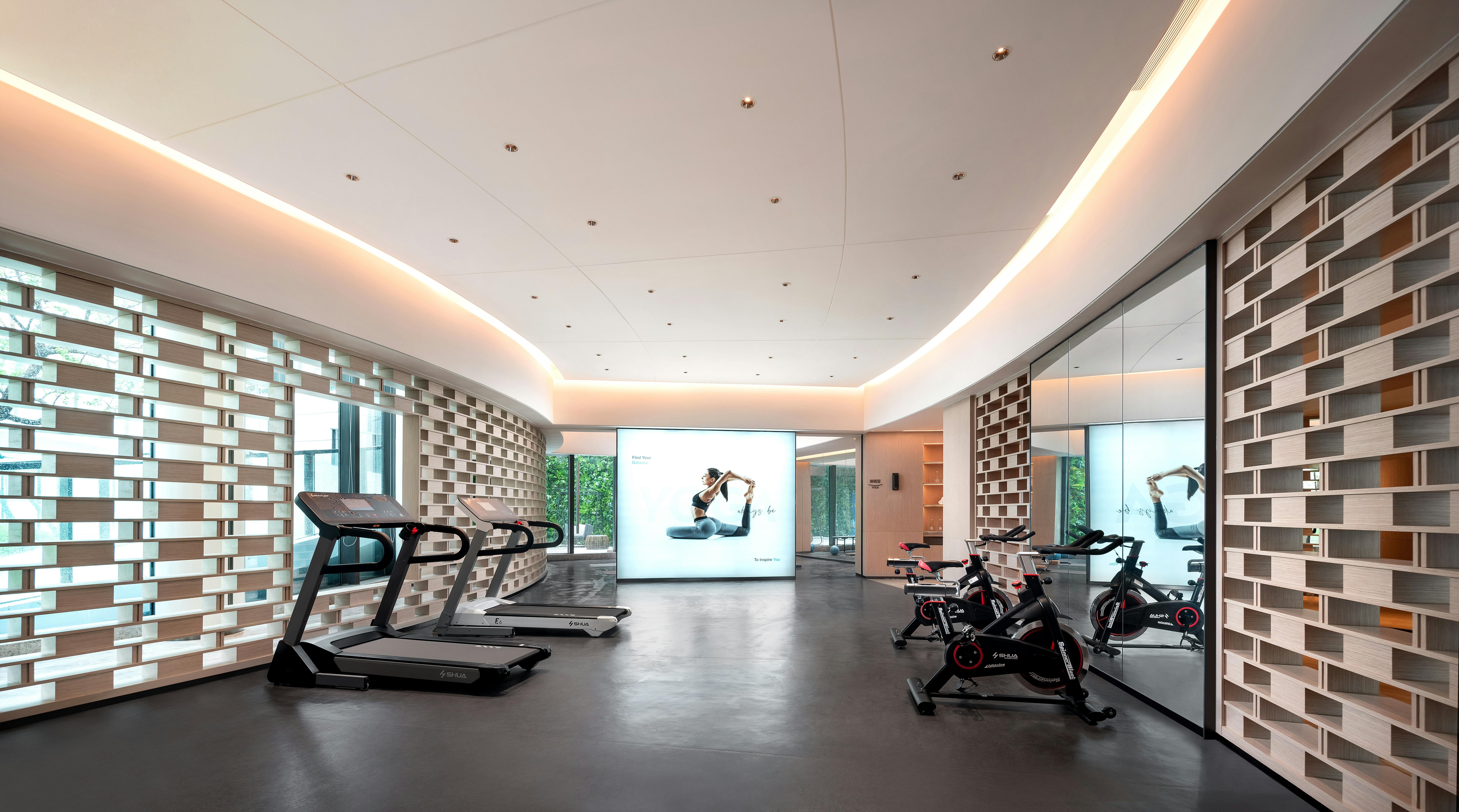
The Gym Group's strategy reveals its actual priorities. All 16 new locations opened last year feature what Orr calls an "elevated" design format—dimmer lighting, neon strips, exposed industrial features. The aesthetic deliberately mimics nightclub and bar environments. This isn't coincidental.
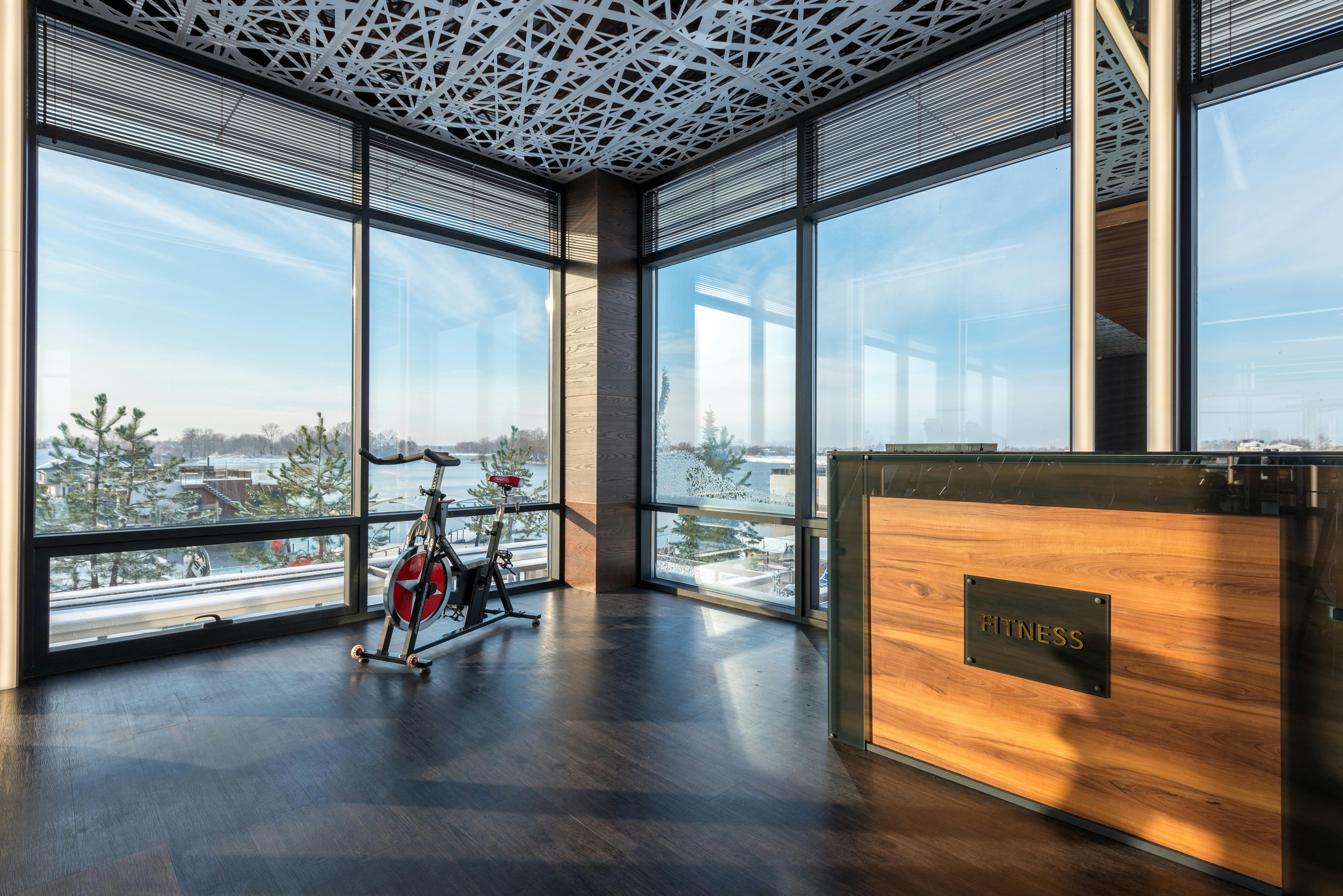
The company is chasing Gen-Z pounds by making gyms feel like the social spaces this demographic already inhabits, not replacing those spaces entirely. Orr insists the company remains "firmly a high value, low cost gym" rather than pivoting premium. But the investment in nightclub-style redesigns signals recognition that younger members want fitness to feel like entertainment, not obligation.
The broader context matters here. British pubs closed at a rate of more than 400 in the first half of 2024 alone, according to industry tracking. Blaming this on Gen-Z choosing gyms over pints dramatically oversimplifies a crisis driven by soaring energy costs, punitive business rates, and fundamental changes in high street economics. Older generations are also drinking less at pubs, not because they've discovered deadlifts, but because a pint now costs £6-8 in many areas and household budgets are stretched.
Where the money actually goes
Following the spending patterns requires better data than a gym CEO's interpretation. Independent retail analysis would need to show actual substitution—pounds previously spent on alcohol now redirected to fitness memberships. That evidence hasn't materialised. What seems more likely is that Gen-Z, facing higher housing costs and stagnant wages relative to their parents' generation, is simply allocating limited discretionary income differently across the board.
Capturing a trend isn't the same as causing it, and benefiting from changing preferences doesn't make a company's analysis of those changes objective.
Fitness has undoubtedly become more central to young people's identity, amplified by social media platforms where physique and wellness content dominates. The Gym Group is successfully capturing this shift. But capturing a trend isn't the same as causing it, and benefiting from changing preferences doesn't make a company's analysis of those changes objective.
The pub sector's problems run far deeper than generational gym habits. Energy bills that tripled, a licensing and tax structure built for a different era, and competition from supermarket alcohol sales all predate Gen-Z's gym enthusiasm. The Gym Group's impressive profit growth reflects genuine demand for accessible fitness, shrewd property selection, and effective marketing to younger demographics. What it doesn't necessarily reflect is a wholesale abandonment of traditional social venues.
Expect more operators across leisure sectors to frame their performance through generational narratives. The story that young people are making fundamentally different choices is compelling to investors and useful for positioning. The messier truth—that multiple factors are reshaping how all age groups spend time and money, with fitness and drinking habits both evolving in complex, sometimes contradictory ways—doesn't fit as neatly into a chief executive's quarterly earnings call.
- Corporate narratives about generational shifts often serve business interests rather than reflect objective reality—scrutinise claims that align too neatly with a company's growth story
- Watch for conflation of correlation with causation: gyms gaining Gen-Z members doesn't prove those members have abandoned pubs, only that fitness spending has increased
- The pub closures crisis stems from structural economic factors affecting all demographics, not simply younger people choosing different leisure activities

Co-Founder
Multi-award winning serial entrepreneur and founder/CEO of Venntro Media Group, the company behind White Label Dating. Founded his first agency while at university in 1997. Awards include Ernst & Young Entrepreneur of the Year (2013) and IoD Young Director of the Year (2014). Co-founder of Business Fortitude.
Comments
💬 What are your thoughts on this story? Join the conversation below.
to join the conversation.