Greggs' Expansion Strategy: Growth or a Value Trap?
- Greggs' sales rose by 7% last year, surpassing a symbolic revenue milestone.
- Underlying pre-tax profit fell 9% to £171.9m despite sales growth.
- The company faces 14.38% short interest, making it the UK's most heavily shorted stock.
- Like-for-like sales at company-managed shops grew only 1.6% in the first nine weeks of this year.
Greggs, the high street stalwart famed for sausage rolls and bargain breakfasts, faces a profit conundrum that sales figures alone cannot mask. While store expansions and headline revenues impress at first glance, underlying signals are rattling City investors. Is the bakery giant baking in trouble for the years ahead as it chases relentless growth?
Profit under pressure, sales on the rise
Greggs' latest figures tell a story of divergence. Sales jumped 7% over the past year, marking another milestone for Britain's largest bakery chain. Yet, beneath the surface, profits slid by 9% to £171.9m, a decline that suggests the company's margin strategy may be under threat. For a business built on wafer-thin markups and mass-market turnover, this dislocation rings alarm bells.
Chief executive Roisin Currie is undeterred. She has mapped out an aggressive expansion: 120 new stores for the year, following another 121 in 2025. The approach is as much arithmetic as ambition—more locations, more sales, simple as that. But early 2026 data undermines this optimism, with like-for-like sales up just 1.6% in the first nine weeks, versus much higher total growth.
Enjoying this article?
Get stories like this in your inbox every week.
"More branches aren't driving more sales per customer—just more branches," note some in the City. The company maintains its new outlets don't cannibalise existing sites, insisting Brits simply boost their Greggs visits when a new store lands nearby.
The data, thin as a slice of corned beef from a bargain meal deal, doesn't support that optimism.
The short sellers circle
Institutional investors are openly sceptical. Greggs now stands as the UK's most shorted stock, with short interest at 14.38%—a direct wager on further share price declines beyond the recent 25% fall to 1,558p.
These heavyweight bets are not the preserve of day traders; they suggest major investors see the expansion drive as unsustainable. The company’s sharp January share price slump—triggered by warnings of "challenging" trading conditions—only fuelled the bears. Greggs shares tumbled 7% in a single session as the outlook soured.
One might expect value food chains to benefit during downturns as consumers seek bargains. However, Greggs’ performance signals sharp cost pressures—labour, ingredients, energy—all rising faster than prices can be passed on.
Greggs cannot easily pass these increases to customers without undermining the entire value proposition that made it Britain's go-to for cheap comfort food.
Diversification: risk or reward?
Greggs' response has been to diversify and experiment. The launch of bake-at-home ranges with Tesco, compact "bitesize Greggs" pilots, and on-trend products like an iced matcha latte reflect a willingness to try new formats. Some of these moves, however, hint at brand identity confusion rather than strategic clarity.
For decades, Greggs thrived as a champion of unfussy, affordable fare—sausage rolls and cakes that punched far above their weight. This core simplicity is precisely what endeared the brand to its loyal audience. Dan Lane, analyst at Robinhood UK, warns, "Greggs needs to make sure it doesn't sacrifice its beloved, and reassuringly simple, brand by trying to be all things to all people and losing its purpose."
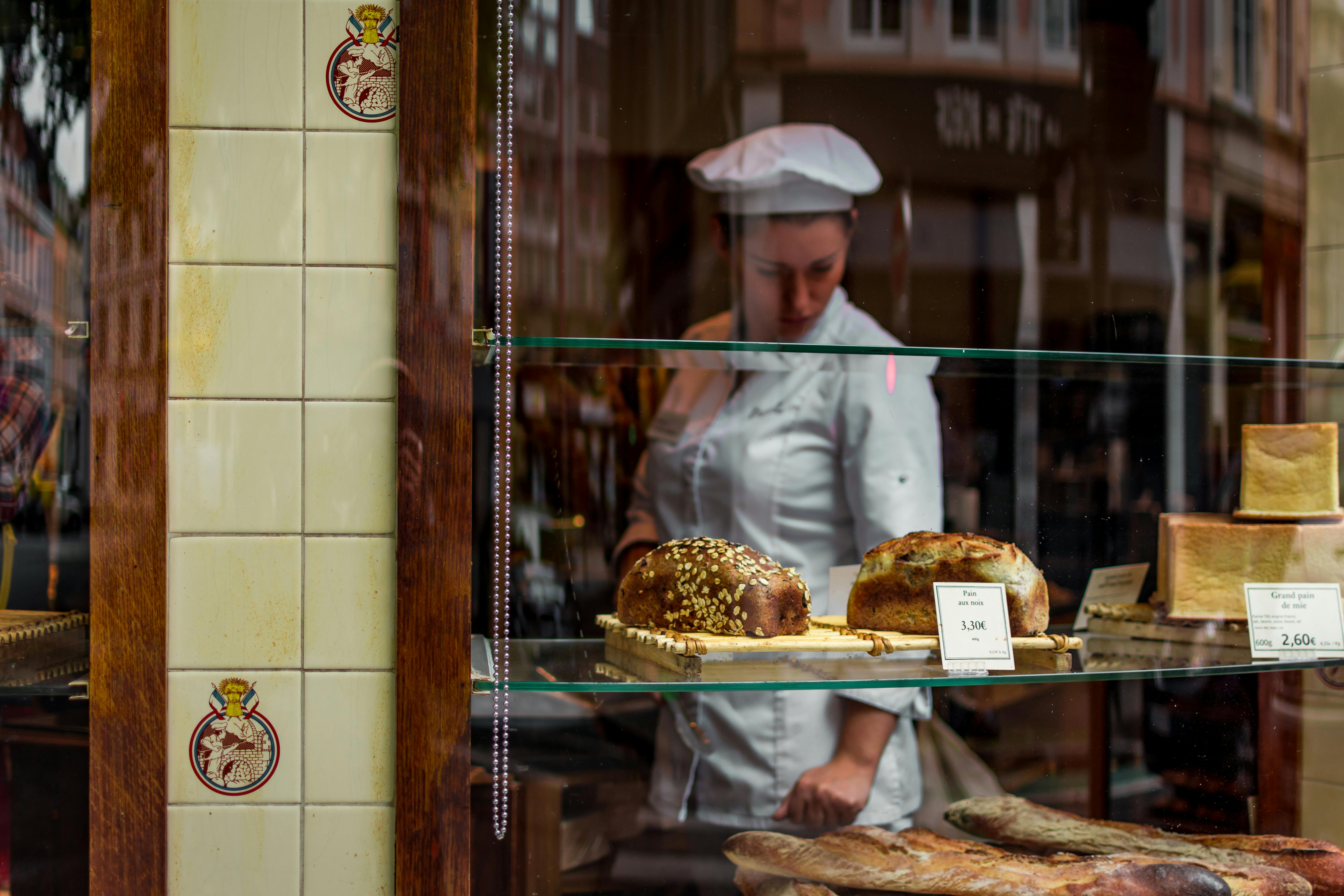
The Tesco partnership, meanwhile, aims to capture at-home consumption. But if customers can buy Greggs for less in supermarkets, the company risks eroding the premium convenience that underpins its pricing model in-store.
A business stuck in the expansion trap?
Currie points to "easing inflationary pressures" as offering hope, backed by Greggs' claims of "value leadership" and "vertical integration". The rhetoric is bullish. Yet with like-for-like sales growth sluggish and store rollouts accelerating, doubts about genuine incremental demand persist.
The treadmill effect is inescapable—each additional shop demands capital, staff, and logistics, but may add little real growth.
If those stores simply redistribute existing demand rather than generating genuinely incremental sales, the whole exercise becomes value-destructive even as topline revenue grows.
Short sellers aren't buying the bullish narrative. Many believe Greggs has maxed out its market penetration and that adding more locations now will yield diminishing returns while costs stubbornly refuse to fall. Have we reached peak Greggs?
The next six months are pivotal. Sustained weak like-for-like sales or a backfiring home range could reshape Greggs' investment case—and reputation—as consumers and investors demand substance, not just scale, in Britain’s most visible bakery brand.
- Greggs' strong sales growth masks mounting pressure on profits and sustainability of its business model.
- Relentless expansion may stretch the brand and cannibalise returns if like-for-like sales falter.
- Investors and management must watch carefully for signs of diminishing returns and margin erosion amid economic uncertainty.

Co-Founder
Multi-award winning serial entrepreneur and founder/CEO of Venntro Media Group, the company behind White Label Dating. Founded his first agency while at university in 1997. Awards include Ernst & Young Entrepreneur of the Year (2013) and IoD Young Director of the Year (2014). Co-founder of Business Fortitude.
Comments
💬 What are your thoughts on this story? Join the conversation below.
to join the conversation.