Lime's UK Subscription Undercuts Buses. TfL Faces Revenue Threat.
- Lime's new UK subscription charges £1.70 for a 20-minute e-bike ride in London, undercutting the £1.75 single bus fare
- The company's UK revenue reached £111.3m last year, representing 75% year-on-year growth
- Lime operates over 20,000 bikes in London alone, compared to TfL's 12,000 Santander Cycles
- London's bus network carried 1.8bn passenger journeys in 2023, revenue now threatened by private e-bike operators
The micromobility land grab just got more aggressive. Lime has priced its new UK subscription service to undercut London's bus fares, charging subscribers £1.70 for a 20-minute e-bike ride compared to £1.75 for a single bus journey. For frequent riders willing to pay £6.99 monthly, that represents a direct challenge to Transport for London's already precarious finances.
The timing is revealing. Just months after Lime quietly hiked its per-minute rates across the capital—a move City AM exposed to considerable user backlash—the company is now betting that locking customers into subscriptions will insulate it from price sensitivity whilst simultaneously preventing defection to rivals like Forest and Bolt. Both competitors have been testing their own discount schemes, making this less a magnanimous gesture toward affordability and more a defensive play in an increasingly crowded market.
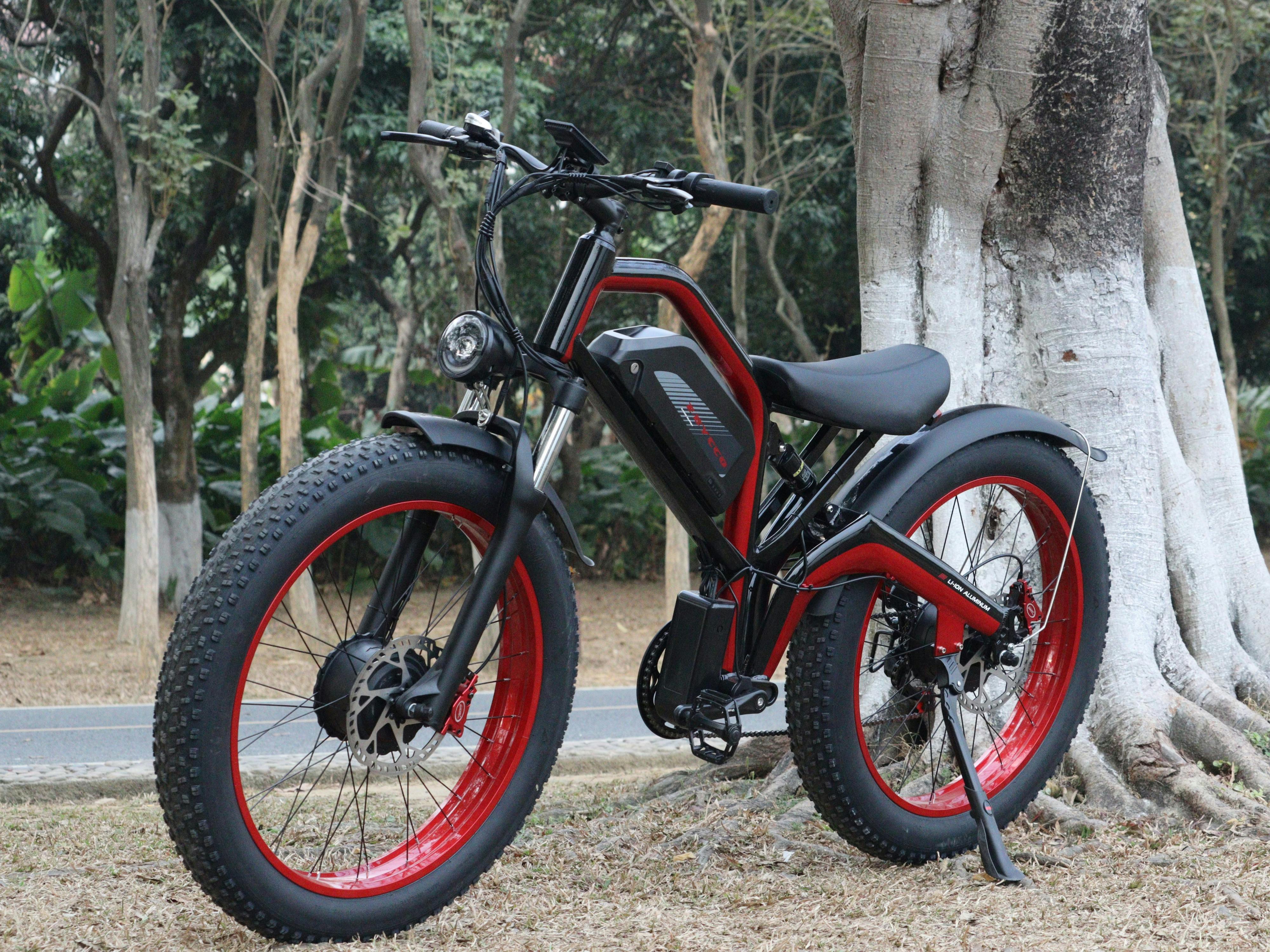
The subscription model, dubbed Limeprime, operates across five UK cities with pricing that varies considerably by location. Manchester subscribers pay £1.50 per 20-minute ride, whilst those in Nottingham pay just £1. The company hasn't clarified what happens when riders exceed the 20-minute threshold, nor whether there are daily usage caps that might limit the scheme's value for genuine commuters making multiple trips.
Enjoying this article?
Get stories like this in your inbox every week.
Public transport's unwanted competitor
What's interesting here is the tension between Lime's commercial ambitions and the policy environment it depends upon. Transport Secretary Heidi Alexander offered supportive words about making "shared cycles a low-cost transport option across the country", yet the government simultaneously subsidises buses and trains that Lime now aims to displace.
TfL operates roughly 12,000 Santander Cycles across London. Lime's fleet exceeds 20,000 bikes in the capital alone, a disparity that underscores how quickly private operators have scaled beyond publicly-run alternatives.
But unlike Santander Cycles, which integrate with Oyster and contactless payment systems and feed revenue back into the transport network, Lime's profits flow to a US-based tech company valued at $6.7bn.
The company's UK revenue hit £111.3m last year, representing 75 per cent year-on-year growth. That expansion, however, comes amid mounting friction with local authorities. Several London boroughs have introduced fines for bikes obstructing pavements and imposed stricter parking restrictions. The regulatory environment is tightening precisely as Lime pushes harder into the commuter market.
Unit economics versus market capture
Subscription models in micromobility have historically prioritised customer retention over profitability. The business case depends on frequency: if a subscriber makes enough short trips monthly, Lime wins on volume even at compressed margins. If users treat the subscription as insurance for occasional rides, the economics deteriorate rapidly.
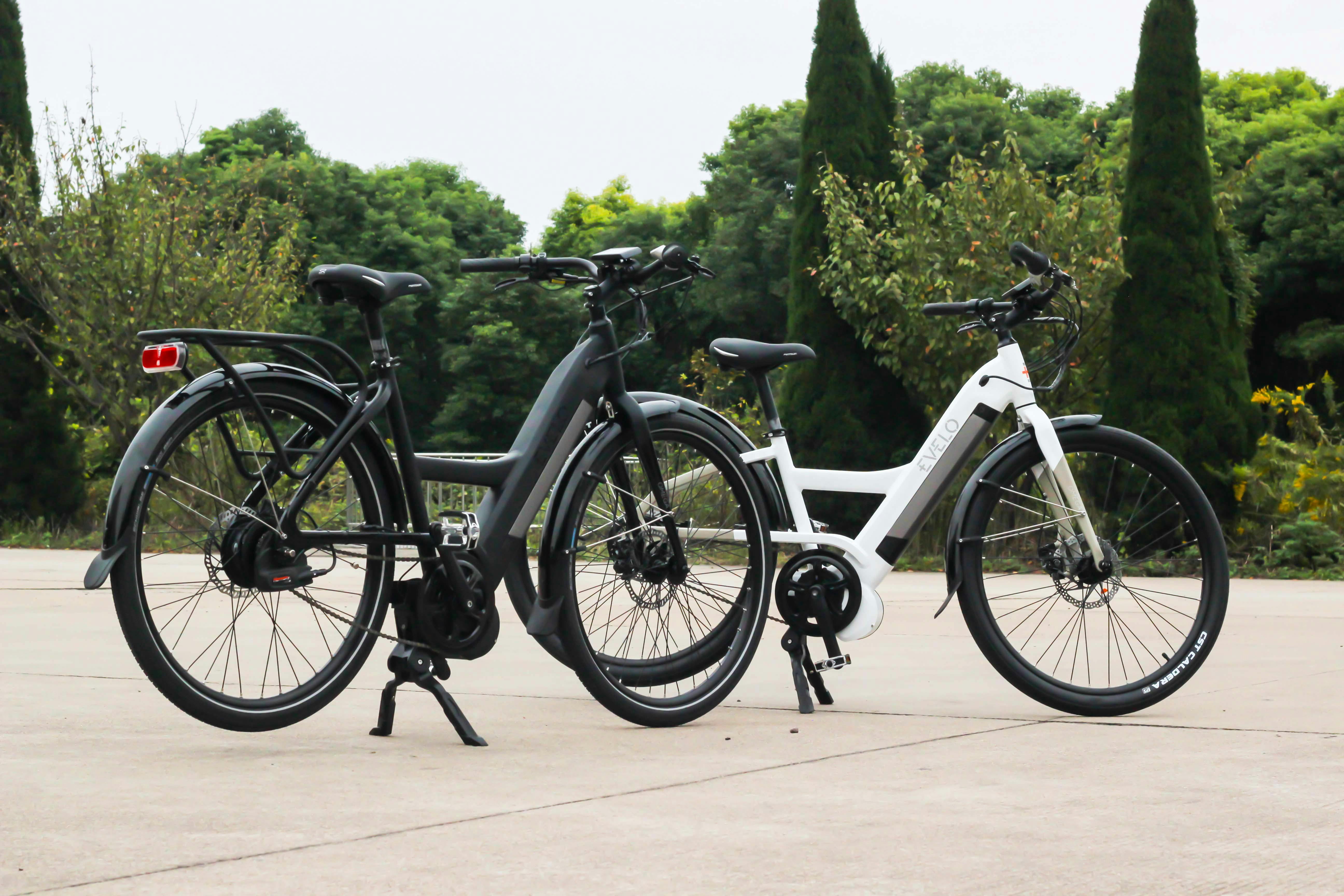
At £6.99 monthly in London, a commuter needs roughly five 20-minute rides to break even compared to paying per-use rates. Anyone using an e-bike twice daily for work would represent a significant margin sacrifice compared to casual riders paying full freight. That suggests Lime is either confident in high-frequency usage patterns or willing to absorb losses to build market dominance before competitors establish footholds.
The broader question is whether this pricing strategy proves sustainable or merely represents another chapter in tech companies using venture capital to undercut incumbents before raising prices once competitors exit.
Lime has previously withdrawn from multiple international markets when unit economics failed to materialise.
The transport authority dilemma
For cash-strapped local authorities, Lime's growth presents an uncomfortable paradox. E-bikes reduce car usage and carbon emissions, objectives that align perfectly with urban transport strategies. Yet they also cannibalise bus and rail revenues that fund the wider public transport network. TfL, which relies heavily on farebox revenue following sustained government funding cuts, can ill afford losing commuters to private operators paying no infrastructure costs for road access.
London's bus network carried 1.8bn passenger journeys in 2023, according to TfL figures. Even marginal shifts toward e-bikes could translate to meaningful revenue losses, particularly amongst younger, tech-comfortable commuters who represent the core demographic for both modes. Unlike buses, e-bikes contribute nothing toward maintaining road surfaces, traffic management systems, or the regulatory oversight their operations require.
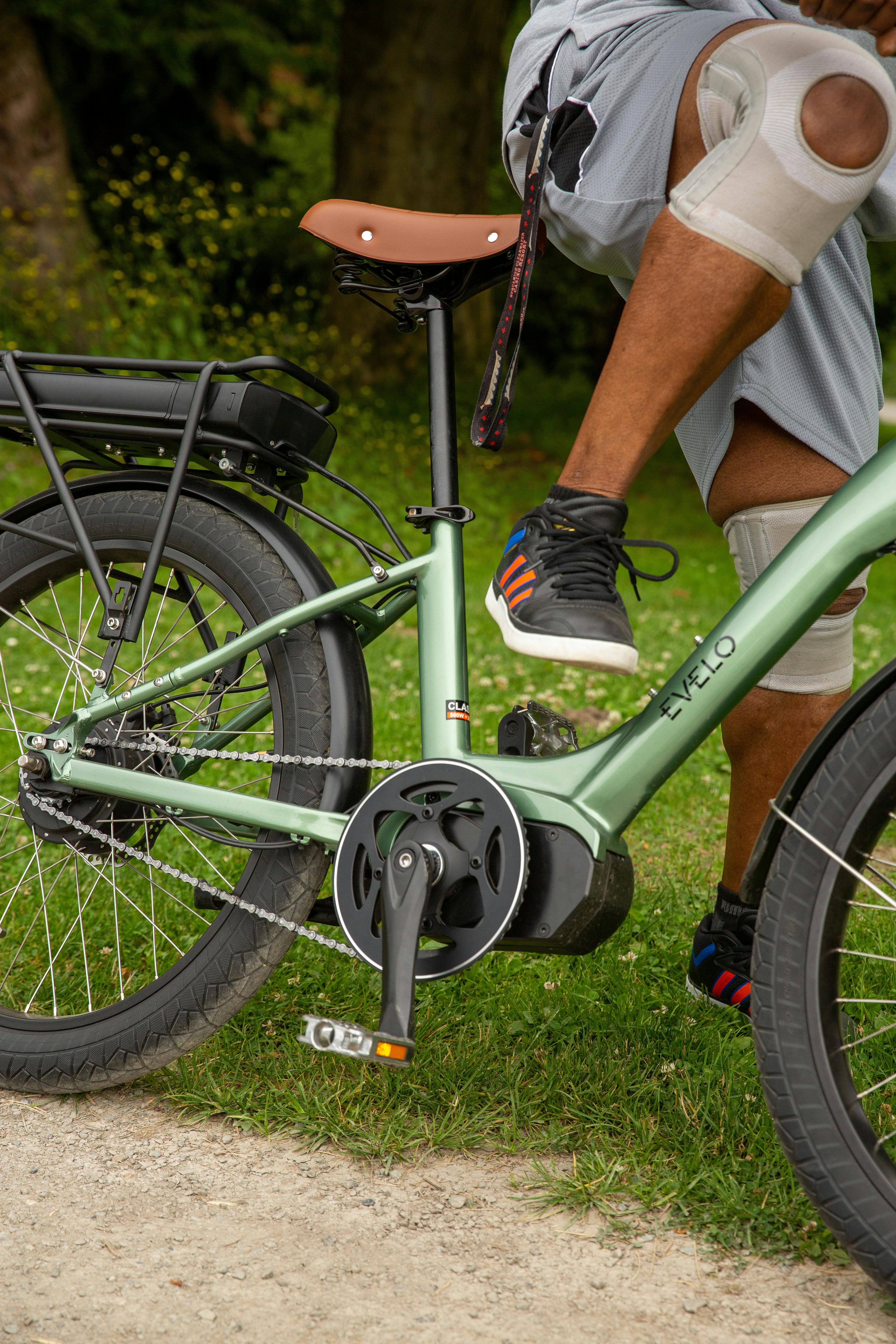
Several European cities have responded by capping operator licences, imposing per-bike fees, or creating dedicated parking infrastructure that shifts costs back to providers. UK local authorities have been slower to act, partly because micromobility regulation remains fragmented across boroughs rather than coordinated nationally.
The subscription launch will test whether micromobility can genuinely transition from tourist novelty to commuter staple, or whether the sector's growth remains dependent on undercutting public transport through pricing that may not survive scrutiny of long-term profitability. For Lime, securing a base of locked-in subscribers before regulators or economics force another price adjustment appears to be the immediate priority. Whether those subscribers still feel they're getting value when the next price increase arrives is a different question entirely.
- Watch for regulatory response from local authorities facing the paradox of e-bikes meeting environmental goals whilst undermining public transport revenue that funds essential infrastructure
- Lime's subscription pricing appears designed to lock in customers before competitors gain traction or regulators impose cost-shifting measures, suggesting another price adjustment may be inevitable
- The viability of micromobility as genuine public transport alternative depends on whether unit economics can support commuter-level pricing without venture capital subsidy—a question European market exits suggest remains unresolved

Co-Founder
Multi-award winning serial entrepreneur and founder/CEO of Venntro Media Group, the company behind White Label Dating. Founded his first agency while at university in 1997. Awards include Ernst & Young Entrepreneur of the Year (2013) and IoD Young Director of the Year (2014). Co-founder of Business Fortitude.
Comments
💬 What are your thoughts on this story? Join the conversation below.
to join the conversation.