MidOcean Bets on Australian LNG as JERA Retreats. Who's Right?
- MidOcean Energy is acquiring JERA's stakes in Gorgon and Ichthys LNG projects, increasing its Gorgon position from 1% to 1.417%
- EIG manages $25.4 billion in assets and has committed $53.4 billion to 425 energy projects over 43 years
- Gorgon LNG has a nameplate capacity of approximately 15.6 million tonnes per annum across three trains
- Australia has been the world's largest LNG exporter since 2020, though competition from Qatar and US terminals threatens that position
A Washington DC-backed energy investor is snapping up Australian LNG assets at the same time Japan's largest power generator is quietly stepping back from the same projects. The divergence reveals a fundamental split in how different players are valuing decades-old gas infrastructure amid competing pressures of energy security and decarbonisation.
MidOcean Energy, an LNG company formed and managed by institutional investor EIG, has agreed to acquire JERA's minority stakes in both the Gorgon and Ichthys LNG projects off Western Australia. The transaction will lift MidOcean's position in Gorgon from 1% to 1.417%, whilst JERA's 0.735% stake in Ichthys will ultimately be transferred to another existing participant in that project. Both parties are also exploring what they've termed a 'strategic alliance' to pursue LNG opportunities globally, though the shape of that partnership remains undefined.
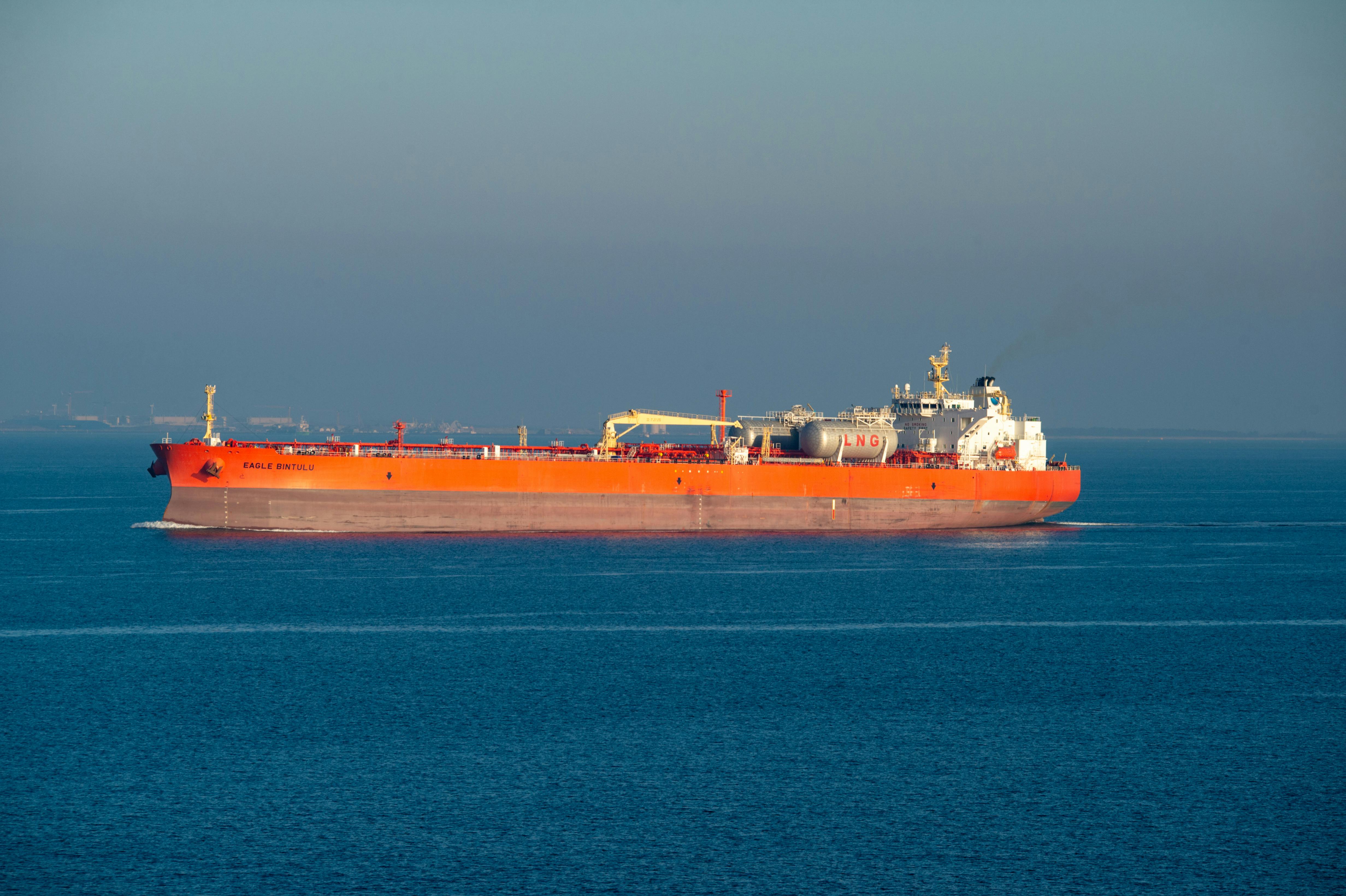
The deal, expected to close in the first half of 2026 subject to regulatory approvals, marks the latest move in MidOcean's rapid portfolio assembly since its recent formation. EIG has already positioned the company in Gorgon, Pluto LNG, QCLNG and Peru LNG, building what amounts to a substantial bet that natural gas demand will remain robust regardless of net-zero commitments.
Enjoying this article?
Get stories like this in your inbox every week.
The portfolio optimisation playbook
JERA's move is being characterised as 'portfolio optimisation', a term that typically translates to reducing exposure to long-term equity stakes in favour of more flexible arrangements. For a utility that has historically locked in supply through direct project ownership, the shift is telling.
The Japanese power generator remains heavily dependent on LNG to meet domestic electricity demand, but appears to be reassessing the risk-reward profile of holding minority positions in capital-intensive Australian projects. These are assets with decades of reserve life but also decades of operational and regulatory risk, particularly as carbon border adjustments and emissions pricing mechanisms proliferate.
Financial players like EIG are moving in precisely the opposite direction, treating mature Australian LNG infrastructure as cash-generative annuities with predictable returns.
According to the company, the acquisition adds 'incremental uncontracted equity volumes', giving it more flexibility to optimise across commodity cycles rather than being locked into fixed offtake agreements.
Australian gas at a crossroads
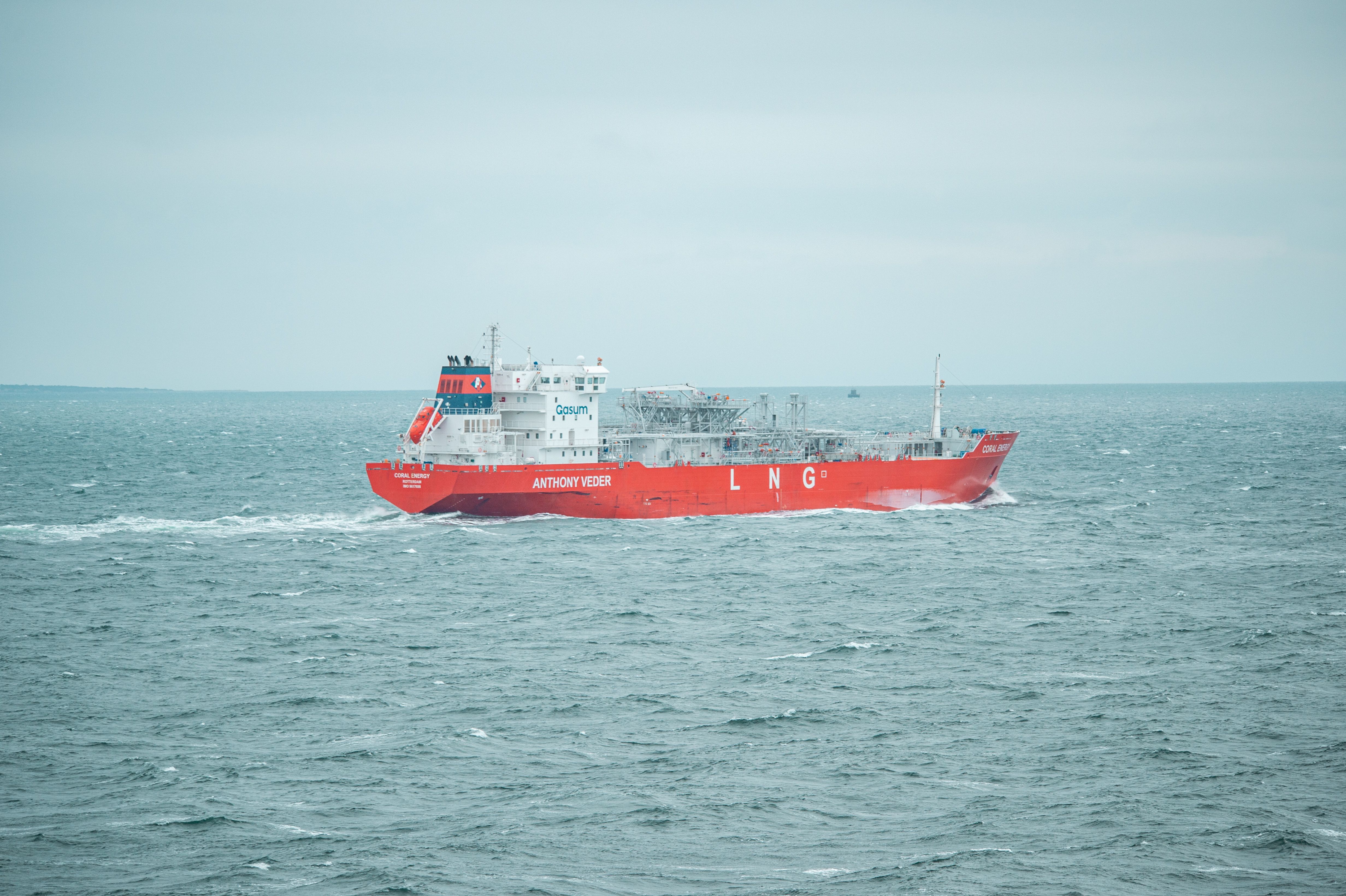
Gorgon, operated by Chevron with a nameplate capacity of approximately 15.6 million tonnes per annum across three trains, sits among the world's most expensive LNG developments. First production came in 2016 after years of cost overruns, but the project now benefits from established infrastructure and proven reserves in the Carnarvon Basin.

The question facing investors is whether these mature Australian assets can compete as cheaper supply from Qatar's North Field expansion and US Gulf Coast terminals floods the market over the next five years. Australia has been the world's largest LNG exporter since 2020, according to the US Energy Information Administration, but that position is under pressure.
For utilities like JERA, holding equity in Australian projects made sense when supply security was the paramount concern and spot market liquidity was limited. That calculation has shifted. The spot and short-term LNG market has deepened considerably, and buyers now have more options to meet demand without tying up capital in upstream assets.
Meanwhile, financial investors are betting that gas will remain essential as a 'transition fuel' for at least the next two decades, particularly in Asia where coal-to-gas switching continues. EIG, with $25.4 billion in assets under management as of December 2025, has committed more than $53.4 billion to energy infrastructure across 425 projects during its 43-year history. MidOcean represents a concentrated expression of that thesis.
Who's buying the energy transition narrative
The transaction also highlights how different constituencies are interpreting the energy transition. Asian utilities, facing intense domestic pressure to decarbonise and managing regulated returns, are de-risking their portfolios and preserving balance sheet capacity for renewables and grid infrastructure. Private capital, answering to pension funds and sovereign wealth managers seeking yield, is willing to absorb that risk in exchange for steady cash flows from long-life hydrocarbon assets.
The distinction between being a customer and being an investor is becoming more pronounced.
De la Rey Venter, MidOcean's chief executive and a 27-year Shell veteran, framed the deal as enhancing the company's ability to 'capture value through commodity cycles'. That language speaks to a fundamentally different time horizon and risk appetite than a regulated utility operates under.
JERA's senior managing executive officer Ryosuke Tsugaru emphasised that Australia 'remains strategically important' as a supplier, even as the company trims its equity exposure. The distinction between being a customer and being an investor is becoming more pronounced.
The planned 'strategic alliance' between MidOcean and JERA could bridge that gap, allowing the Japanese utility to maintain relationships and potentially access volumes without carrying project-level risk. But those arrangements remain aspirational until actual terms are agreed. The parties have disclosed no binding commitments beyond the current asset transaction.
The transaction won't fully reveal its logic until the LNG market's direction becomes clearer over the next half-decade. If gas demand proves more resilient than current policy trajectories suggest, EIG's concentrated bet on existing infrastructure will look prescient. If decarbonisation accelerates faster than anticipated and new supply depresses prices, JERA's pivot towards flexibility will appear prudent. For Australian LNG, the question is no longer whether these assets produce reliable volumes, but whether that reliability commands the premium it once did.
- The transaction exposes a strategic divide: financial investors are treating mature LNG assets as yield-generating annuities whilst Asian utilities shift towards flexible supply arrangements over long-term equity positions
- Australian LNG's competitive position faces pressure from cheaper Qatari and US supply entering the market over the next five years, challenging the premium these established projects once commanded
- Watch whether the proposed MidOcean-JERA 'strategic alliance' materialises with binding terms—it could signal a new model for balancing supply security with capital flexibility in the energy transition

Co-Founder
Multi-award winning serial entrepreneur and founder/CEO of Venntro Media Group, the company behind White Label Dating. Founded his first agency while at university in 1997. Awards include Ernst & Young Entrepreneur of the Year (2013) and IoD Young Director of the Year (2014). Co-founder of Business Fortitude.
Comments
💬 What are your thoughts on this story? Join the conversation below.
to join the conversation.