Warner Bros Bets on Harry Potter to Revive Oxford Street Retail
- Warner Bros is opening a 21,000 square foot Harry Potter flagship store at 134-140 Oxford Street this autumn
- The Potter franchise generated approximately £1.2 billion in retail sales globally in 2022
- Oxford Street still claims to attract half a million daily visitors despite losing major anchor tenants like Debenhams and Topshop
- The Warner Bros Studio Tour in Leavesden attracts over 1.4 million visitors annually according to VisitBritain
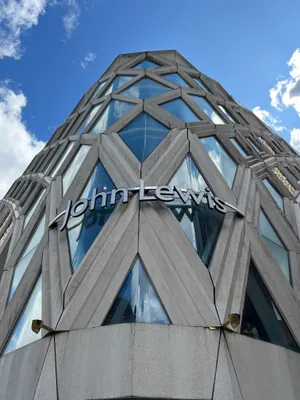
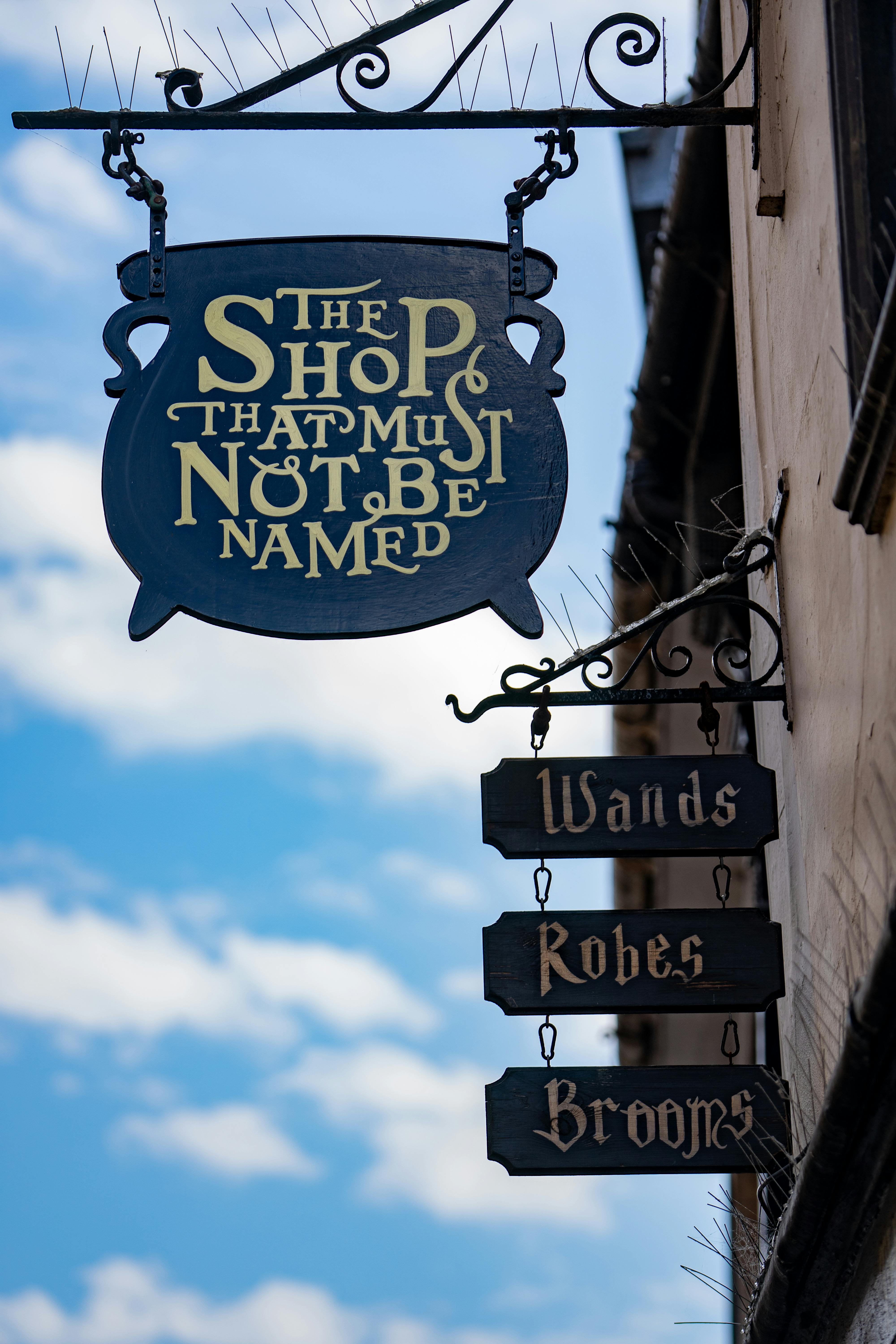
Warner Bros is betting £21,000 square feet of prime Oxford Street real estate on a simple proposition: that devotees of a book series which concluded in 2007 will queue to buy wands and house scarves in sufficient numbers to justify one of central London's largest retail footprints. The entertainment giant has announced plans for its second Harry Potter flagship shop in the capital, due to open this autumn within The Ribbon development at 134-140 Oxford Street. The timing is deliberate.
Oxford Street, once the undisputed crown jewel of British retail, has haemorrhaged anchor tenants over the past five years. Debenhams shuttered its flagship in 2020. Topshop's former headquarters, which once drew teenagers from across the country, now sits divided between IKEA and American retailer Zara.
Westminster Council's response has been to double down on pedestrianisation, with traffic bans for the 0.7-mile stretch between Oxford Circus and Marble Arch starting this summer. What's notable here is the implicit acknowledgement that traditional retail cannot fill the void it has left. Enter the wizarding world, stage right.
Enjoying this article?
Get stories like this in your inbox every week.

Experiential retail meets franchise economics
Warner Bros describes the new store as a 'wizarding emporium' featuring interactive activities, photo opportunities, and exclusive merchandise. Karl Durrant, the company's senior vice president of worldwide retail, frames it as honouring Harry Potter's roots in 'British storytelling'. That's one interpretation. Another is that Warner Bros has identified a proven revenue stream and is expanding capacity to meet demand.
The King's Cross Harry Potter shop, situated near the Platform 9¾ trolley installation, has become a reliable tourist magnet since opening. The Warner Bros Studio Tour in Leavesden reportedly attracts over 1.4 million visitors annually, according to figures from VisitBritain. These are not speculative ventures. They generate consistent footfall and high-margin merchandise sales from an audience that spans generations and geographies.
Traditional retailers compete on price, range, and convenience, three battles they cannot win against online alternatives.
The Oxford Street location will be considerably larger than its King's Cross predecessor, spanning two floors in a development that has been searching for tenants capable of drawing the half million daily visitors Oxford Street still claims to attract. Warner Bros has declined to provide investment figures, job creation numbers, or details about what previous retailer occupied the space.
The saturation question
There is, however, a commercial risk that sits awkwardly alongside the confident expansion plans. How many Harry Potter retail destinations can London support before demand plateaus? The capital now offers the Studio Tour in Leavesden, the King's Cross shop, various Platform 9¾ photo opportunities, Harry Potter walking tours, and a thriving grey market of unofficial merchandise. Adding a 21,000 square foot flagship raises legitimate questions about market saturation.
For context, Nike's flagship on Oxford Street occupies approximately 42,000 square feet, serving a global sportswear market worth £380 billion annually according to Statista. Harry Potter, whilst culturally significant and commercially resilient, represents a single franchise tied to content that concluded its primary narrative arc 17 years ago. The most recent Fantastic Beasts film, released in 2022, underperformed against studio expectations, grossing £350 million globally compared to its predecessors' £650 million-plus returns.
Yet Warner Bros clearly believes the economic fundamentals remain sound. The Potter franchise generated approximately £1.2 billion in retail sales globally in 2022, according to data from The Licensing Letter. British IP, particularly Potter, carries inherent appeal to international visitors who comprise a substantial portion of Oxford Street's footfall. Pre-pandemic figures from New West End Company showed that international tourists accounted for roughly 30% of Oxford Street spending despite representing a smaller fraction of visitor numbers.
Filling the high street vacuum
What this expansion really tests is whether experiential retail tied to legacy IP can succeed where conventional shopping has demonstrably struggled. The economics are fundamentally different. Traditional retailers compete on price, range, and convenience, three battles they cannot win against online alternatives. Franchise stores like Warner Bros' Harry Potter emporium offer something e-commerce cannot replicate: the experience of inhabiting a fictional world, the social currency of photographable moments, and the psychological satisfaction of pilgrimage.
Whether this represents sustainable urbanism or a temporary patch on structural decline depends largely on execution and replicability.
Westminster Council is banking on this model as part of Oxford Street's regeneration. Traffic-free zones may improve the pedestrian experience, but they do not address the underlying question of why people should visit at all. Blockbuster brand experiences provide an answer, transforming shopping streets into destination attractions rather than transactional spaces.

Whether this represents sustainable urbanism or a temporary patch on structural decline depends largely on execution and replicability. If Harry Potter succeeds, expect other studios to follow with their own flagship experiences. Disney already operates a significant store on Oxford Street. Universal's plans for British IP exploitation remain unclear but are certainly under consideration.
The autumn opening will arrive as pedestrianisation works continue and as retailers prepare for the crucial Christmas trading period. Warner Bros has, at minimum, secured a location that will benefit from reduced vehicle traffic and increased pedestrian dwell time. Whether that translates into sufficient sales per square foot to justify what is undoubtedly a substantial rent remains the commercial reality behind the marketing magic. Oxford Street's reinvention may yet be written in wands and butterbeer, but the final chapter depends on footfall figures, conversion rates, and whether nostalgia can be monetised at scale for years to come.
- Warner Bros is testing whether experiential retail tied to legacy intellectual property can replace traditional retail on Britain's struggling high streets, potentially setting a template for other entertainment franchises
- The success of this flagship will depend on whether market saturation has been reached in London, given the capital already hosts multiple Harry Potter attractions competing for tourist spending
- Watch for sales per square foot figures and whether other studios follow with similar flagship experiences, as this could signal a fundamental shift in how urban retail spaces are monetised

Co-Founder
Multi-award winning serial entrepreneur and founder/CEO of Venntro Media Group, the company behind White Label Dating. Founded his first agency while at university in 1997. Awards include Ernst & Young Entrepreneur of the Year (2013) and IoD Young Director of the Year (2014). Co-founder of Business Fortitude.
Comments
💬 What are your thoughts on this story? Join the conversation below.
to join the conversation.