Skechers' Cricket Sponsorship: A Sign of English Cricket's Americanisation
- Birmingham Phoenix secured Skechers as front-of-shirt sponsor, replacing Butterkist popcorn for the 2025 season
- The franchise is now owned by American private equity firm Knighthead Capital, with NFL legend Tom Brady as minority shareholder
- Skechers, acquired by 3G Capital for over $9 billion in 2024, claims status as the world's third largest shoe manufacturer
- From 2026, all eight Hundred franchises can negotiate individual shirt sponsorships following stake sales to overseas investors
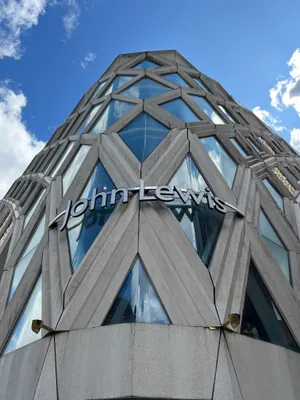
Birmingham Phoenix's latest shirt sponsor announcement reveals something more significant than a simple commercial deal. The American footwear brand Skechers will plaster its logo across both men's and women's teams this season, replacing Butterkist popcorn in the prime front-of-shirt position. But the real story isn't who's sponsoring the team—it's how an injection of American capital is fundamentally rewiring the commercial DNA of English cricket.
The Phoenix franchise now boasts an American private equity owner (Knighthead Capital), an NFL legend as minority shareholder (Tom Brady, naturally), and an American shoe brand as its main sponsor. The only thing missing is a Coca-Cola vendor and a rendition of the Star-Spangled Banner before play.
This marks Skechers' first venture into cricket sponsorship, part of a broader push into performance athletics after 3G Capital acquired the company for more than $9 billion last year. The brand, which built its reputation on comfort footwear rather than elite sport, secured deals with England captain Harry Kane and NBA star Joel Embiid in 2024. Cricket, apparently, is the next frontier in its transformation from 'shoes your dad wears to the supermarket' to legitimate Nike competitor.
Enjoying this article?
Get stories like this in your inbox every week.
The franchise gold rush
What makes this sponsorship noteworthy isn't Skechers itself, but what the deal represents. Following the sale of stakes in all eight Hundred franchises to overseas investors, teams can finally negotiate their own shirt sponsorships and kit deals from 2026 onwards. This represents a seismic shift from the England and Wales Cricket Board's previous centralised control, where competitions like The Hundred operated under league-wide partnerships such as the now-defunct KP Snacks deal that saw Butterkist, Skips and Pom-Bear logos appear across all teams for the tournament's first five seasons.
Birmingham Phoenix chief executive Stuart Cain described Skechers as "one of the most instantly recognisable brands in the world"—the sort of statement that sounds impressive until you consider that brand recognition doesn't quite place Skechers alongside Nike or Adidas in the sporting hierarchy.
The company claims status as the world's third biggest shoe maker, though whether that's measured by revenue, volume or market cap remains conveniently unspecified.
The deal's financial terms haven't been disclosed, which is standard practice in sponsorship announcements but leaves a rather important gap in understanding the commercial value of these newly independent franchises. Are we talking about transformative money, or is this more about brand positioning for both parties?

Cricket's American makeover
The Hundred was controversial from its inception in 2020. Critics saw it as dumbing down cricket with a shortened format, rebranded teams disconnected from historic counties, and an obvious play to attract casual viewers rather than devoted fans. Supporters argued English cricket needed precisely this sort of shake-up to secure its financial future and reach new audiences.
The recent franchise sales vindicate the ECB's commercial gamble, even if purists remain unconvinced about the format itself. Private equity firms don't spend money acquiring stakes in sports properties unless they see pathways to revenue growth. Individual sponsorship deals represent one of those pathways—and potentially a lucrative one if The Hundred can maintain or expand its television audiences.
What's interesting here is how the American franchise model, perfected in the NFL and NBA over decades, is being grafted onto a sport that spent centuries operating under fundamentally different economic principles.
County cricket operated on membership fees and ECB distribution. The Hundred operates on franchise values and individual commercial deals. These aren't just different business models—they're different philosophies about what professional sport should be.
Performance credentials on trial
For Skechers, this partnership serves a specific strategic purpose beyond mere brand visibility. The company is attempting to reposition itself from comfort-focused footwear to performance athletics, a notoriously difficult transition in an industry where brand perception matters as much as product quality. Nike didn't become Nike through clever marketing alone—decades of association with elite athletes created an aura of performance credibility.
Skechers launched a cricket range this year, according to Richard Parker, managing director for Skechers UK and Ireland, who noted the brand has "ventured deeper into the world of performance sport" over the past three years. Cricket offers Skechers something valuable: visibility in a sport where Nike and Adidas don't dominate quite as thoroughly as they do in football or basketball. That's either a clever strategic opening or a tacit admission that breaking into the top-tier sports remains beyond reach.

The question remains whether cricket can actually validate Skechers' performance ambitions. Professional cricketers are undoubtedly elite athletes, but the sport lacks the global cultural cachet of football or the American market dominance of basketball. A Birmingham Phoenix shirt sponsorship won't carry the same weight as, say, a Manchester United or Los Angeles Lakers deal.
The broader trend extends beyond one franchise or one sponsor. As more Hundred teams secure American investment and pursue individual commercial deals, English cricket increasingly resembles its American counterparts—for better or worse. Franchise values should rise. Television rights will likely command higher fees. Individual teams will market themselves aggressively.
Whether this commercialisation strengthens cricket's financial foundation or erodes what made the sport culturally significant in Britain depends largely on whom you ask. What's certain is that the process, once begun, rarely reverses. The Americanisation of English cricket isn't coming—it's already here.
- The shift to individual franchise sponsorships represents a fundamental transformation from centralised ECB control to American-style commercial independence, creating new revenue pathways that will likely drive up franchise valuations and reshape cricket's economic model
- Skechers is using cricket as a strategic beachhead to establish performance credibility in a sport less dominated by Nike and Adidas, testing whether association with The Hundred can accelerate its repositioning from comfort brand to serious athletic competitor
- Watch for accelerating Americanisation across all eight Hundred franchises as overseas investors leverage their stakes to secure commercial partnerships, potentially widening the financial gap between franchise cricket and traditional county competitions

Co-Founder
Multi-award winning serial entrepreneur and founder/CEO of Venntro Media Group, the company behind White Label Dating. Founded his first agency while at university in 1997. Awards include Ernst & Young Entrepreneur of the Year (2013) and IoD Young Director of the Year (2014). Co-founder of Business Fortitude.
Comments
💬 What are your thoughts on this story? Join the conversation below.
to join the conversation.