UK Retail's Rain Blame Game Masks Deeper Structural Failures
- UK retail footfall dropped 4.5% year-on-year in February, with London down 6.3%
- The retail sector has shed 250,000 jobs over the past five years
- Entry-level worker costs have risen 10% in the last year alone
- Government has pledged £150m for high street renewal and £4.3bn in business rates support
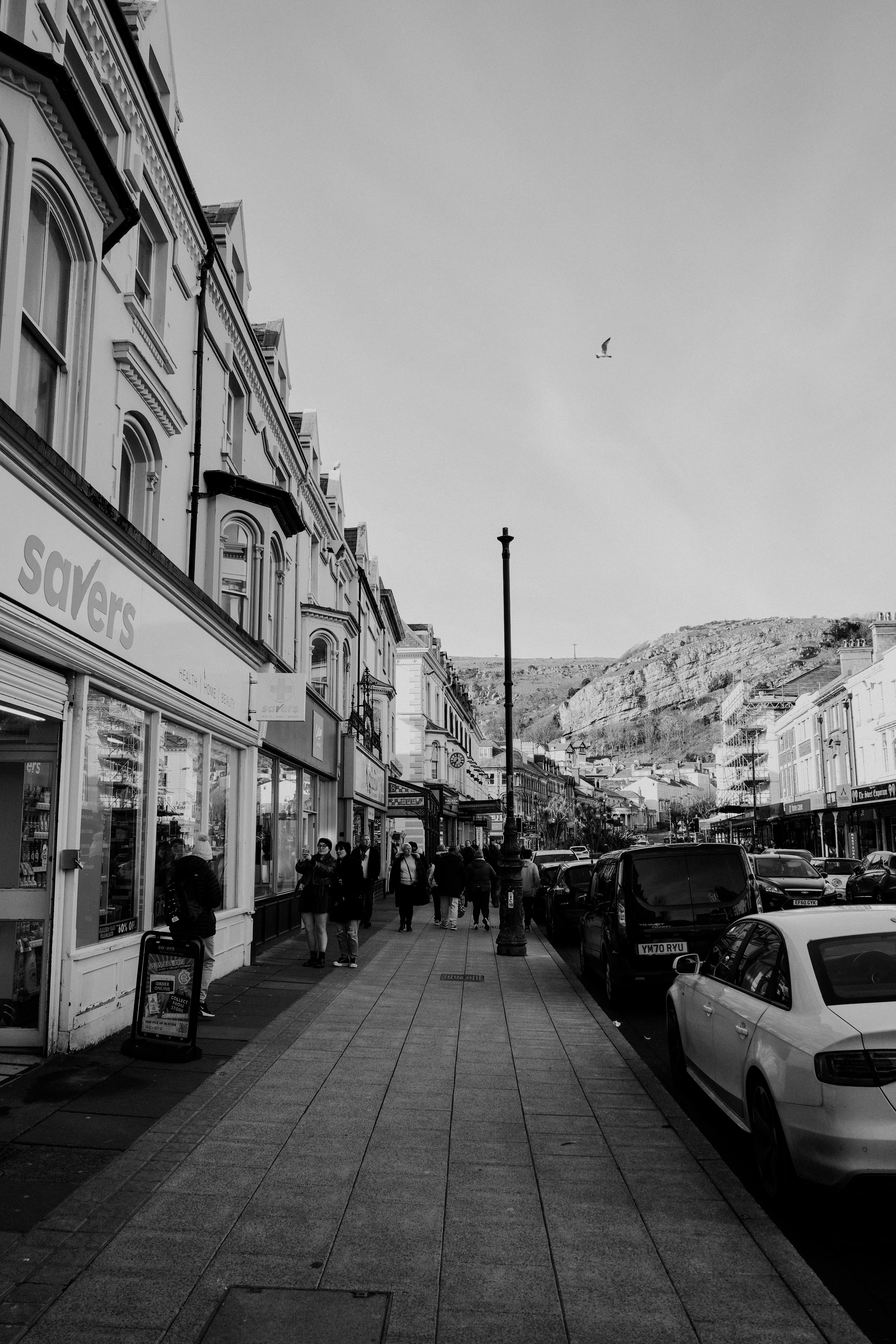
The February numbers tell a brutal story: UK retail footfall down 4.5 per cent year-on-year, with London hemorrhaging visitors at 6.3 per cent. Shopping centres and high streets saw drops exceeding 5 per cent as persistent rainfall kept consumers at home. But while retailers point to the skies, the real question is whether Britain's beleaguered high streets are drowning from rain or from a confluence of policy decisions that have left them with no room to weather even minor shocks.
The timing is particularly cruel. Retailers are already absorbing minimum wage increases, elevated national insurance contributions, and the looming Employment Rights Act—a trifecta of rising costs that has industry leaders warning of mass redundancies. February's wet weather, whatever its severity, has merely exposed the fragility of businesses operating on margins so thin that a few consecutive weekends of rain can tip them into crisis.
What's striking here is that retail has been in managed decline for years. The sector has shed 250,000 jobs over the past five years, according to figures cited by Monsoon Accessorize chief Nick Stowe. That predates both this winter's weather and Labour's employment reforms by a considerable margin. The structural shift to online shopping has been hollowing out physical retail for over a decade, yet the industry's diagnosis remains stubbornly focused on immediate policy grievances rather than existential business model questions.
Enjoying this article?
Get stories like this in your inbox every week.
When weather becomes a political football
Helen Dickinson, chief executive of the British Retail Consortium, was quick to note that 'while the Government can't control the weather, it can help turn footfall around by incentivising local investment.' The implication is clear: tax relief and lighter regulation could offset atmospheric conditions. This framing is convenient but simplistic.
The government has responded with a £150m injection for high street renewal and a £4.3bn business rates support package. Retailers argue this doesn't touch the sides when set against cumulative employment cost increases. Stowe claims the cost of hiring an entry-level worker has risen 10 per cent in the last year alone—a figure that, if accurate, represents genuine pressure on labour-intensive businesses operating on single-digit margins.
Stowe argues that 'rigid contract requirements' would make it difficult to flex working hours for seasonal demand—essentially preventing retailers from hiring temporary Christmas staff or adjusting hours around peak trading periods.
But his warning about the Employment Rights Act deserves scrutiny. This is an interpretation of proposed legislation, not established fact. The Act aims to end exploitative zero-hours contracts and provide baseline protections; whether this genuinely prevents seasonal hiring or merely prevents the most precarious forms of it depends entirely on implementation details still being consulted on.
The data behind the deluge
February's footfall collapse wasn't uniform. Clothing and footwear retailers bore the brunt, unsurprising given discretionary shopping trips are easily postponed. Retail parks, with their car-accessible formats, declined just 3.1 per cent—half the rate of shopping centres and high streets. Bristol recorded the softest drop at 1.6 per cent, whilst London led the decline.
Geography matters here. London's 6.3 per cent fall reflects a capital where consumers have abundant delivery options, better digital infrastructure, and higher propensity to shop online. Regional variations suggest the weather narrative, while not fiction, isn't the whole truth. Cities with similar rainfall experienced markedly different footfall patterns, pointing to underlying differences in retail health, consumer demographics, and competitive dynamics with e-commerce.
The correlation between rain and retail visits is real but perhaps overstated. British consumers are hardly strangers to wet weather. What's changed is the friction cost of venturing out versus shopping from home. When delivery is free, selection is broader online, and the in-store experience offers little added value, even moderate weather becomes sufficient reason to stay home.
Policy collision or convenient scapegoat
Retailers face genuine cost pressures. National insurance contribution increases and minimum wage rises—both announced in the Autumn Budget—will add billions to the sector's wage bill. For businesses operating on margins between 2 and 5 per cent, these aren't trivial adjustments.
But the industry's focus on policy intervention as salvation feels increasingly detached from reality. Business rates reform has been promised by successive governments for over a decade; it's a legitimate grievance but hardly a new one. The BRC's call for tax policy changes 'that bring a sunnier outlook' mistakes symptom for disease.
Physical retail needs a value proposition that justifies the journey. Blaming rain or regulation avoids the harder strategic questions: why should consumers travel to shops that offer less choice, equivalent prices, and worse convenience than online alternatives?
The government's position—that it's consulting with businesses and phasing in changes—suggests awareness that implementation matters. Whether the Employment Rights Act becomes the job-killing burden Stowe predicts or a reasonable rebalancing of worker protections will depend on details currently being negotiated.
The sectors that survive the next two years won't be those that received the most regulatory forbearance. They'll be the ones that built business models resilient enough to absorb cost shocks and differentiated enough that rain doesn't constitute an existential threat. Similar patterns emerged in previous wet months, yet the pattern of decline predates any single weather event. The industry has witnessed footfall plunging during record wet weather before, and even extreme heat has driven shoppers online rather than to physical stores. February's figures are a warning, but not primarily about the weather.
- The weather narrative obscures deeper structural problems: physical retail lacks a compelling value proposition against online alternatives that offer better choice, pricing, and convenience
- Survival depends on business model resilience, not regulatory forbearance—retailers must differentiate enough that minor weather variations don't constitute existential threats
- Watch implementation details of the Employment Rights Act closely; the gap between industry warnings and actual impact will reveal whether concerns about seasonal staffing flexibility are legitimate or overblown

Co-Founder
Multi-award winning serial entrepreneur and founder/CEO of Venntro Media Group, the company behind White Label Dating. Founded his first agency while at university in 1997. Awards include Ernst & Young Entrepreneur of the Year (2013) and IoD Young Director of the Year (2014). Co-founder of Business Fortitude.
Comments
💬 What are your thoughts on this story? Join the conversation below.
to join the conversation.