Pennon's Profit Surge Masks Infrastructure Failures: Storms Expose Water Sector's Weakness
- Pennon Group earnings jumped 55% in the first half of its financial year despite operational failures during winter storms
- South West Water faces regulatory penalties under Ofwat's outcome delivery incentive system for storm-related service disruptions
- South West Water recorded 108 pollution incidents per 10,000km of sewer, the worst performance among water companies
- 14% of South West Water customers now find it difficult to pay their bills, up 4% from last year
When a water company reports a 55% surge in earnings whilst simultaneously bracing for regulatory penalties over service failures during winter storms, something has gone badly wrong with infrastructure priorities. Pennon Group's admission that Storm Goretti and Storm Chandra overwhelmed South West Water operations raises uncomfortable questions about whether privatised utilities have invested enough in resilient systems to cope with weather that, whilst severe, was hardly unprecedented. The tension between surging profitability and operational vulnerability during adverse conditions cuts to the heart of public frustration with the UK water sector.
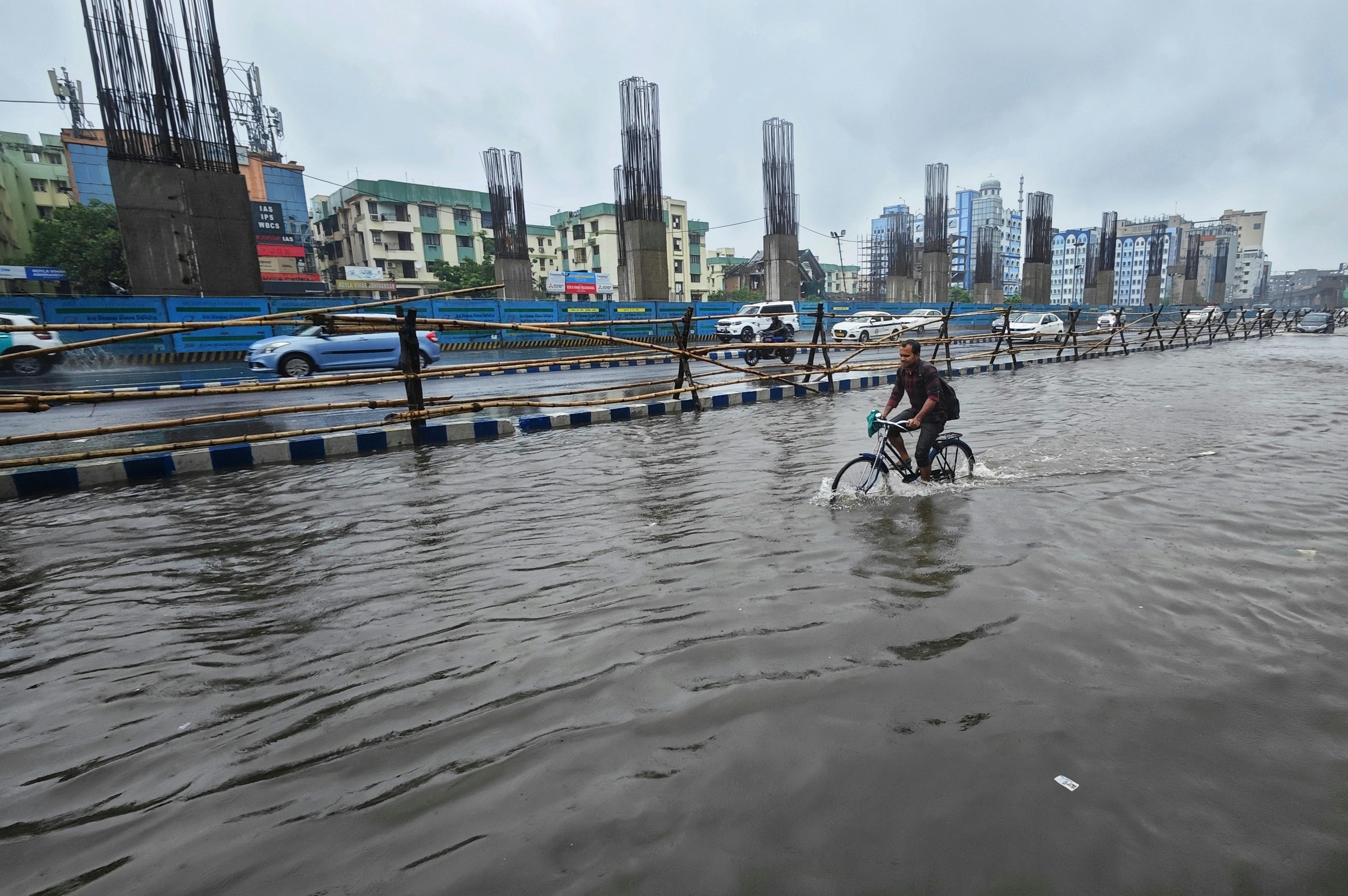
Pennon disclosed that the two January storms caused widespread power outages that compromised operations across its South West Water division, leading to burst mains and persistent leakage issues. The company now expects to face net penalties under Ofwat's outcome delivery incentive system, where water firms pay fines for missing performance targets or collect rewards for exceeding them. The company's claim hinges on what it describes as "exceptional and sustained rainfall creating operational pressures".
Yet this framing deserves scrutiny. Storm Chandra brought significant rain to the South West in early January, whilst Storm Goretti affected the region later that month. According to Met Office data, whilst both storms delivered notable rainfall, neither ranked among the most extreme weather events the UK has experienced in recent years. If this was exceptional, what would Pennon call a genuinely severe weather event?
Enjoying this article?
Get stories like this in your inbox every week.
When earnings surge but taps run dry
The company's earnings before interest, tax and other costs climbed approximately 55% in the six months to 9 March compared to the same period last year. Pennon still expects to return to overall profitability for the 2025-26 financial year, though it cautions this will likely fall at "the lower end" of analysts' forecasts. Even the lower end of analyst expectations means profit.
For customers who experienced supply disruptions during the storms, the optics are problematic: shareholders benefit from improved earnings whilst service falters when weather deteriorates.
Pennon maintains it "responded quickly to minimise customer disruption". Perhaps it did. But the fact that power outages caused such widespread operational problems suggests systemic vulnerability. Most critical infrastructure is designed with backup power systems precisely because electricity supply can fail during severe weather.
If those systems existed but proved inadequate, that's an investment failure. If they didn't exist in sufficient scale, that's worse.
The accountability gap
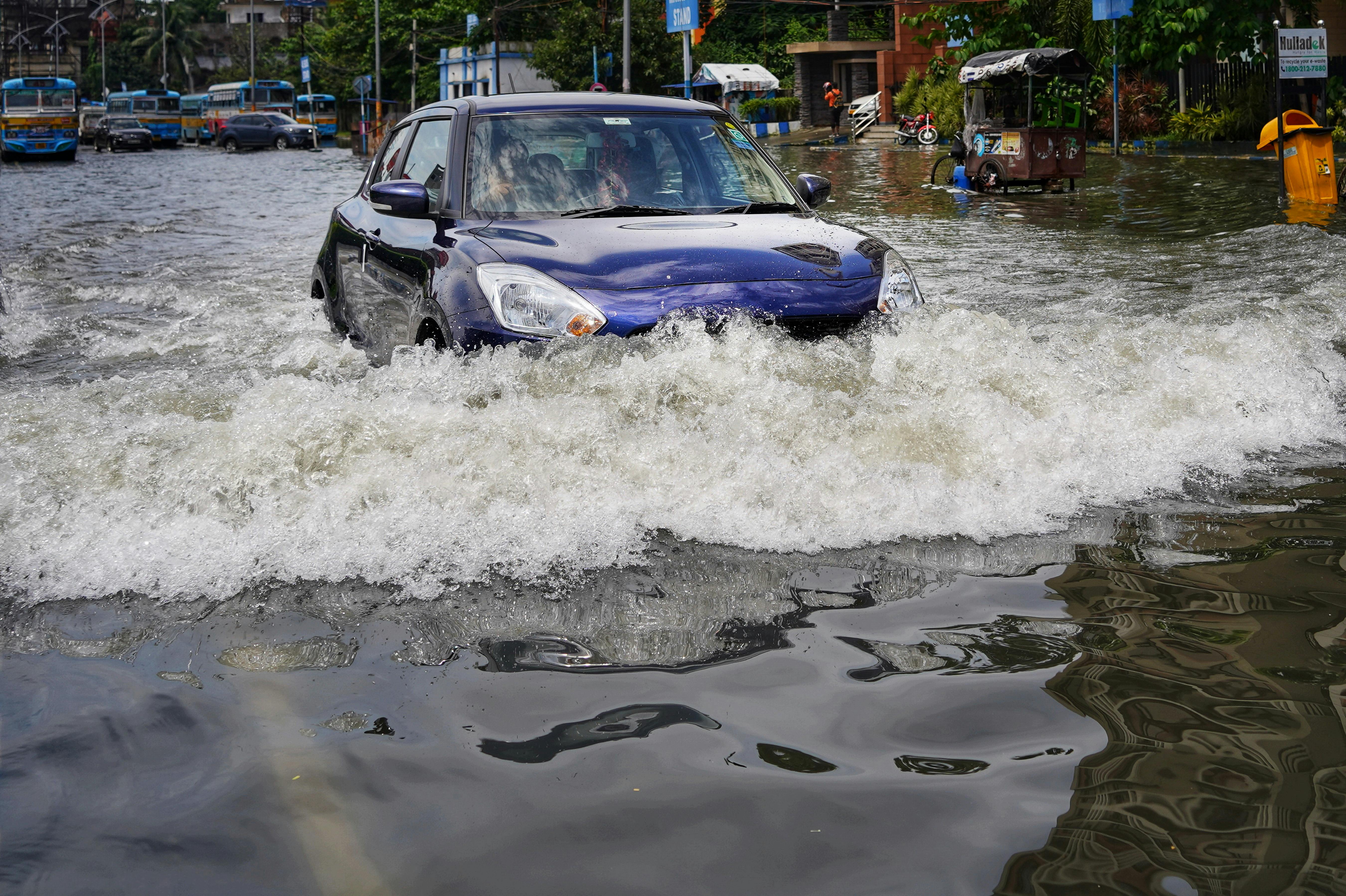
ODI penalties represent Ofwat's attempt to hold water companies accountable for performance. When firms miss targets on metrics such as supply interruptions, leakage levels, or pollution incidents, they face financial consequences. Crucially, these penalties typically reduce dividends and shareholder returns rather than directly lowering customer bills.
This creates an accountability mechanism that works in theory but feels insufficient in practice. Customers who suffered disrupted water supply during January's storms still paid their bills. They'll continue paying through the next price increase period. Meanwhile, the company that failed to maintain service during difficult conditions pays a penalty that affects investors, not consumers.
South West Water operates in a region that experiences wet weather routinely. The South West typically receives higher annual rainfall than most other English regions. Infrastructure designed for this geography should account for storms and the power cuts they can cause.
That storms in January 2025 overwhelmed systems raises questions about whether Pennon has adequately invested in resilience, or whether maintenance spending has been optimised to satisfy different priorities.
The timing is particularly awkward for South West Water, which along with other UK water companies has faced mounting criticism over sewage discharges, leakage rates, and underinvestment in ageing infrastructure. The sector's reputation has deteriorated sharply over the past several years as environmental incidents have multiplied and infrastructure failures have become more visible.
What resilient infrastructure actually means
The reliance on external power supply as a single point of failure highlights a broader issue across the privatised water sector. Genuine infrastructure resilience means systems that continue functioning when conditions deteriorate. That includes backup power, redundant pumping capacity, and network design that limits cascading failures when one component fails.
These investments cost money and depress short-term returns. They also represent exactly the kind of long-term thinking that privatisation was meant to encourage by freeing utilities from political budget cycles. Instead, the UK water sector has repeatedly demonstrated that private ownership often produces the opposite: underinvestment in unsexy but essential infrastructure whilst cash flows to shareholders and debt servicing.
Pennon will likely face questions about capital expenditure priorities when it reports full-year results. The 55% earnings surge suggests improved operational efficiency or cost management. Whether that efficiency came at the expense of resilience will become clearer as more details emerge about exactly which systems failed during the January storms and why.
Ofwat's ODI penalties will extract some price for the service failures. But the broader question remains unanswered: are UK water companies building infrastructure that can handle the weather conditions the Met Office tells us to expect more frequently in coming decades, or are they optimising for different metrics entirely? South West Water is in the process of delivering a £100m storm overflow reduction plan, supported with £45m shareholder investment, but questions remain about whether such initiatives address fundamental resilience gaps.
The company has also performed the worst among water companies for pollution incidents, with 108 incidents per 10,000km of sewer according to government environmental performance data. Additionally, the proportion of customers finding it difficult to pay their water bills has increased by 4% to 14% in the last year.
January's storms may have been severe, but they weren't apocalyptic. If that level of weather overwhelms systems, what happens when genuinely extreme conditions arrive?
- Water companies must demonstrate whether capital expenditure prioritises long-term infrastructure resilience or short-term financial returns
- The effectiveness of Ofwat's penalty system depends on whether financial consequences actually drive meaningful investment in backup systems and redundancy
- Watch how Pennon and other water companies respond to increasingly frequent severe weather events as climate patterns shift

Co-Founder
Multi-award winning serial entrepreneur and founder/CEO of Venntro Media Group, the company behind White Label Dating. Founded his first agency while at university in 1997. Awards include Ernst & Young Entrepreneur of the Year (2013) and IoD Young Director of the Year (2014). Co-founder of Business Fortitude.
Comments
💬 What are your thoughts on this story? Join the conversation below.
to join the conversation.