Taylor Wimpey's Profit Collapse: A Warning for Labour's Housing Plans
- Taylor Wimpey's profit margin squeezed by 54 per cent to £146.5m despite completing 10,614 homes, a 6 per cent increase
- £225.8m bill for fire-proof cladding and £18m CMA settlement wiped out productivity gains from 13 per cent revenue growth to £3.8bn
- UK's largest housebuilders have committed over £5bn to remediation works since Grenfell, with costs showing no signs of abating
- Three major housebuilders hit by turbulence this week: Vistry CEO retirement triggered 20 per cent share collapse, Barratt Redrow replaced chief executive, Taylor Wimpey profits collapsed
A profit margin squeezed by 54 per cent would typically signal a business in crisis. But Taylor Wimpey's results tell a more complicated story about the true cost of Britain's post-Grenfell reckoning with building safety. The housebuilder actually built more homes and generated higher revenue last year, yet profits collapsed to £146.5m, dragged down by a £225.8m bill for fire-proof cladding and an £18m settlement with the Competition and Markets Authority.
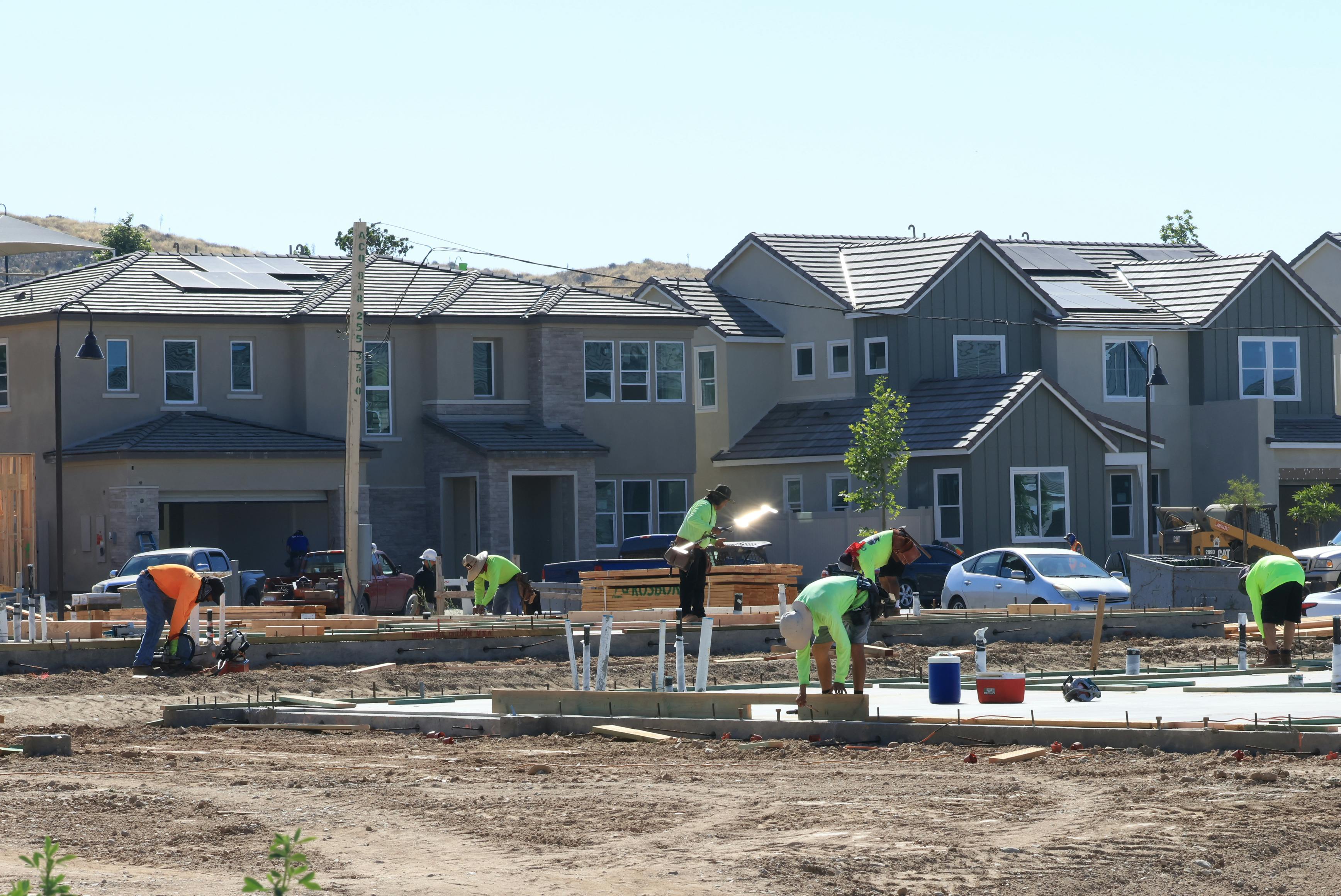
The numbers expose an uncomfortable reality for Labour's housing ambitions: the sector expected to deliver 1.5 million new homes is still bleeding cash to fix the failures of the past. Taylor Wimpey completed 10,614 homes in 2025, a 6 per cent increase on the previous year, whilst revenue climbed 13 per cent to £3.8bn. Under normal circumstances, that trajectory suggests a company firing on all cylinders. Instead, the productivity gains have been entirely consumed by legacy liabilities that show no signs of abating.
The industry's fire safety hangover
Seven years after Grenfell Tower, the financial consequences continue to ripple through Britain's major housebuilders. Taylor Wimpey's £226m hit represents just one firm's share of a much broader industry reckoning. Whilst exact collective figures remain elusive, estimates suggest the UK's largest housebuilders have committed over £5bn to remediation works since the disaster exposed systemic failures in building standards and oversight.
Enjoying this article?
Get stories like this in your inbox every week.
What's particularly striking here is the disconnect between operational performance and financial outcomes. Taylor Wimpey increased housing completions whilst simultaneously watching its profit margin evaporate.
That suggests the cladding costs aren't one-off corrections but structural drags on profitability that could persist for years. Chief executive Jennie Daly maintained the group's operating profit remained 'in line with expectations', which rather neatly sidesteps the question of whether those expectations have themselves been radically downgraded.
The £18m CMA settlement adds another layer to the industry's regulatory headaches. Competition watchdogs have increasingly scrutinised housebuilders' practices, from leasehold terms to land banking. These voluntary agreements carry smaller price tags than cladding remediation, but they signal an end to the cosy relationship between major developers and light-touch oversight.
Budget uncertainty or convenient deflection?
Taylor Wimpey joined its peers in blaming 'uncertainty ahead of the late Autumn Budget' for dampened demand through the second half of 2025. It's become such standard language in housebuilder statements that one might suspect a shared communications playbook. Vistry used nearly identical phrasing this week when explaining its own challenges, whilst Barratt Redrow has leaned on similar rhetoric in recent months.
But how much of this is genuine market disruption versus convenient deflection from deeper affordability problems? The autumn 2024 Budget speculation lasted roughly three months. Mortgage rates, by contrast, have remained structurally higher than the post-2008 era for over two years. The Bank of England base rate has only recently begun creeping downward from its 5.25 per cent peak.
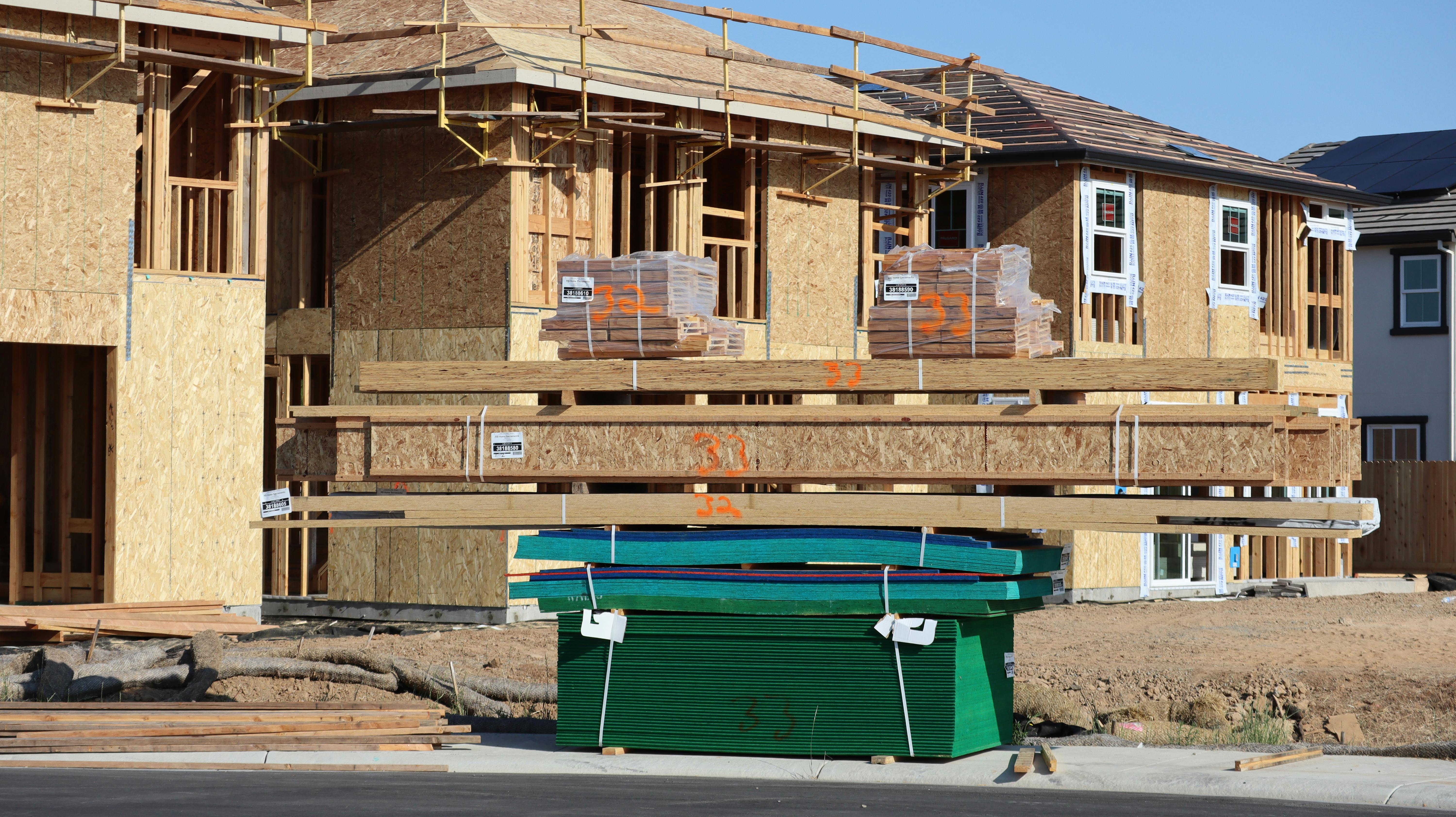
Taylor Wimpey's own report acknowledges the real problem: 'whilst affordability is improving, it remains difficult for first time buyers to access the market, particularly in the South of England.' That's not a Budget issue. That's a fundamental mismatch between house prices, wages, and financing costs.
The firm did note that mortgage availability has improved and that spring selling season is progressing with 'encouraging' customer interest. Translation: people still want to buy homes when they can actually afford them, which remains a significant barrier despite modest improvements.
Sector turbulence and what comes next
This has been a remarkable week for Britain's housebuilding industry, and not in a positive sense. Vistry's chief executive announced his shock retirement, triggering a 20 per cent share price collapse for the FTSE 250-listed firm. Barratt Redrow, the country's largest housebuilder, replaced its chief executive David Thomas with former infrastructure boss Dean Banks. Add Taylor Wimpey's profit implosion to the mix, and you have three major stories suggesting deeper sector instability.
Leadership churn at this scale often indicates either strategic disagreements at board level or a recognition that current approaches aren't working. The simultaneous nature of these announcements suggests the latter. Major housebuilders face a perfect storm: legacy fire safety costs, elevated financing expenses for buyers, political pressure to increase output, and uncertain demand conditions.

Taylor Wimpey's decision to launch a £52m share buyback scheme, bookrun by Citigroup and running through June, sends a mixed signal. On one hand, it demonstrates confidence in the underlying business and a commitment to shareholder returns. On the other, buying back shares when profits have halved might strike some observers as an attempt to prop up a flagging share price rather than genuine capital allocation strategy.
For Labour's housing targets, these results should prompt serious questions about capacity. If Taylor Wimpey can increase completions by 6 per cent yet see profits crater, what happens when the government asks for a 20 or 30 per cent increase? The industry's margin structure appears fundamentally compromised by legacy costs that won't disappear in the near term. Building more homes won't solve that equation unless house prices rise substantially, which contradicts the government's affordability objectives, or unless construction costs fall dramatically, which seems unlikely given current inflation in materials and labour.
The spring selling season may be progressing encouragingly, but encouragement doesn't pay for cladding remediation. Taylor Wimpey warned in January that its profit margins would decline further this year, becoming one of the first major UK housebuilders to flag such pressure. Taylor Wimpey shares rose 3 per cent following the results announcement, which perhaps says more about how low expectations had fallen than about genuine optimism for the sector's immediate prospects.
- Legacy fire safety costs represent structural drags on profitability that will persist for years, not one-off corrections, fundamentally compromising the industry's margin structure regardless of housing completions
- Labour's 1.5 million homes target faces serious capacity questions when major housebuilders can increase output yet see profits collapse, creating an equation that only works if house prices rise substantially or construction costs fall dramatically
- Simultaneous leadership churn at three major housebuilders signals sector-wide recognition that current approaches aren't working amid a perfect storm of remediation bills, elevated buyer financing costs, and political pressure to build more

Co-Founder
Multi-award winning serial entrepreneur and founder/CEO of Venntro Media Group, the company behind White Label Dating. Founded his first agency while at university in 1997. Awards include Ernst & Young Entrepreneur of the Year (2013) and IoD Young Director of the Year (2014). Co-founder of Business Fortitude.
Comments
💬 What are your thoughts on this story? Join the conversation below.
to join the conversation.