Taylor Wimpey's Profit Collapse: Fire Safety Costs Outweigh Growth
- Taylor Wimpey's revenue rose 13% to £3.8bn, but profits collapsed 54% to £146.5m
- Fire safety remediation costs totalled £225.8m—exceeding annual profit by more than 150%
- The firm completed 10,614 homes in 2025, up 6% year-on-year
- Three major UK housebuilders experienced leadership crises or share price collapses within days
Eight years after Grenfell, Britain's housebuilders are discovering that the past is more expensive than the future. Taylor Wimpey grew revenue and built more homes, yet profits were cut in half by a single cost: fixing buildings it already sold. The arithmetic is brutal—£225.8m in fire safety bills against £146.5m in profit tells you everything about where the money actually went.
What's emerging across the sector isn't a cyclical downturn but a structural crisis that threatens the government's housing ambitions. Whilst builders blame Budget uncertainty and mortgage rates, the real profit drain comes from historical liability. The question facing investors and policymakers alike: can firms simultaneously remediate legacy portfolios and deliver Labour's 1.5m homes target?
A sector under simultaneous strain
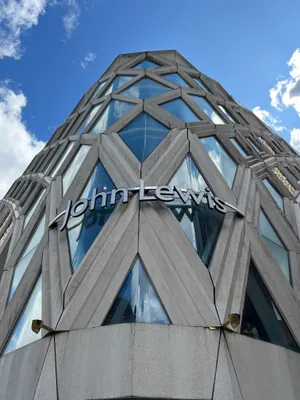
Taylor Wimpey's results arrive during a dismal week for British housebuilding. Vistry, another FTSE 250 builder, watched its share price crater 20% after its chief executive announced a shock retirement. Barratt Redrow, the country's largest housebuilder, replaced its chief executive on Wednesday.
Enjoying this article?
Get stories like this in your inbox every week.
Three major builders, three signals of distress, all within days. The industry's preferred explanation centres on political uncertainty. According to Taylor Wimpey, speculation ahead of October's Budget "impacted sales through the second half of 2025" and left the firm with a weaker order book entering 2026.
This coordinated messaging deserves scrutiny. Mortgage rates remain elevated compared to the pre-2022 era, with the average two-year fixed rate sitting above 5% for much of last year. Affordability, particularly for first-time buyers in the South of England, hasn't meaningfully improved despite wage growth.
Taylor Wimpey acknowledges that "affordability is improving" but "remains difficult for first time buyers to access the market"—language that contradicts the notion of robust underlying demand.
Blaming a single political event for demand weakness ignores structural headwinds that predate any Budget speculation. The sector faces elevated build costs, constrained mortgage availability, and an affordability crisis that won't resolve through messaging alone.
The remediation burden
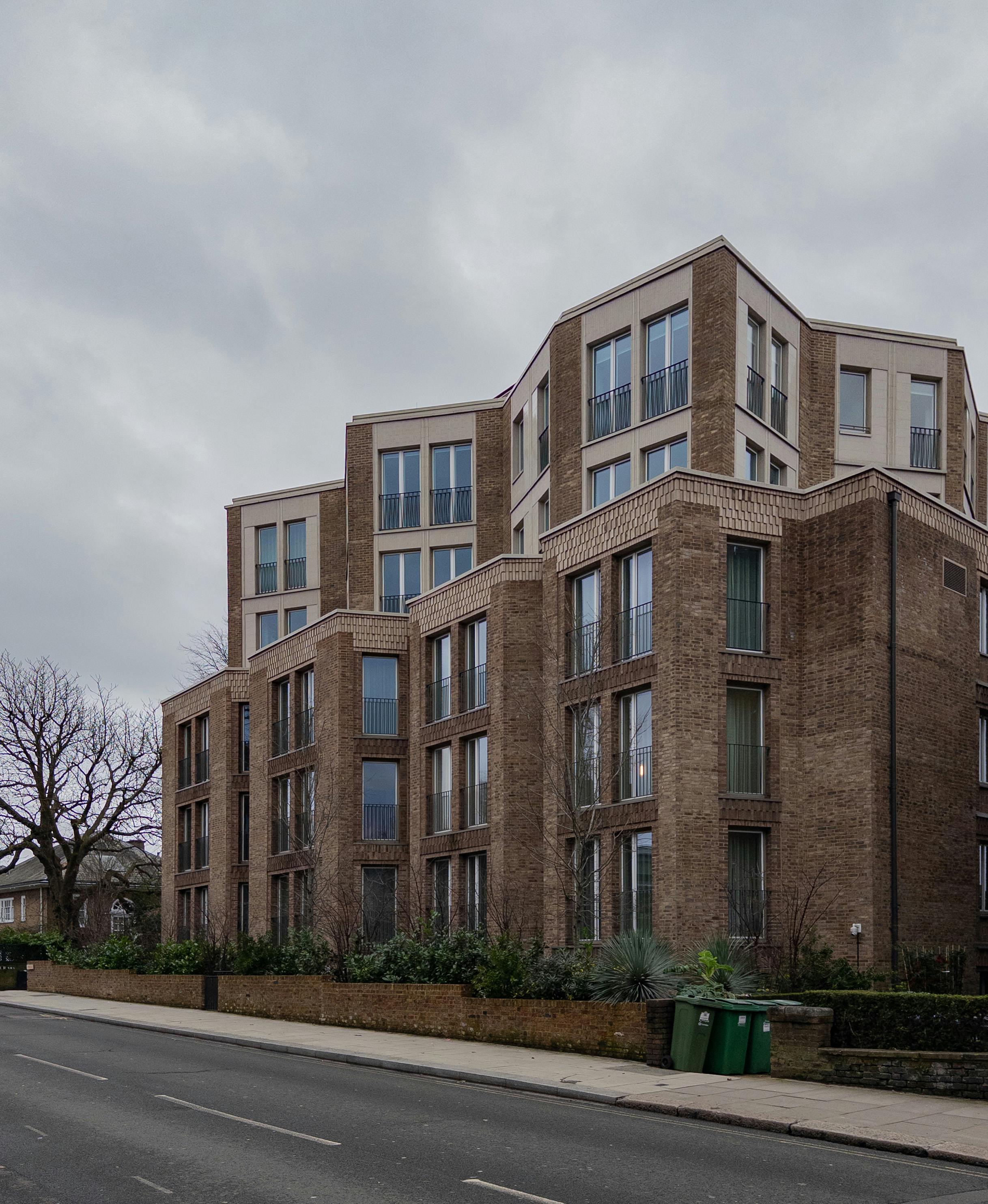
Fire safety costs dwarf these cyclical concerns. Taylor Wimpey's £225.8m charge reflects ongoing work to address historical defects across buildings it developed before stricter regulations took effect post-Grenfell. The firm isn't alone in carrying this burden: across the sector, billions in remediation costs have accumulated as builders work through portfolios of mid-rise and high-rise blocks with combustible cladding, inadequate fire breaks, or missing cavity barriers.
The government has applied pressure through both regulation and reputation. Builders that refuse to participate in remediation schemes face being barred from Help to Buy programmes and public procurement contracts. For publicly traded firms like Taylor Wimpey, the reputational cost of being named a non-participant proved intolerable.
Yet the financial model was never built for this. Housebuilders operate on relatively thin margins compared to many industries, typically in the mid-to-high teens percentage range on operating profit. A £225.8m unplanned cost against £3.8bn revenue represents a roughly 6 percentage point hit to margins before factoring in any operational costs.
When your profit is £146.5m and your fire safety bill is £225.8m, the arithmetic suggests the business would have been substantially more profitable absent this legacy liability.
The firm also paid £18m to settle a Competition and Markets Authority investigation into leasehold practices, but that regulatory penalty barely registers against the fire safety crater in its accounts. Historical liabilities now define the sector's financial performance more than current trading conditions.
Can they build their way out?
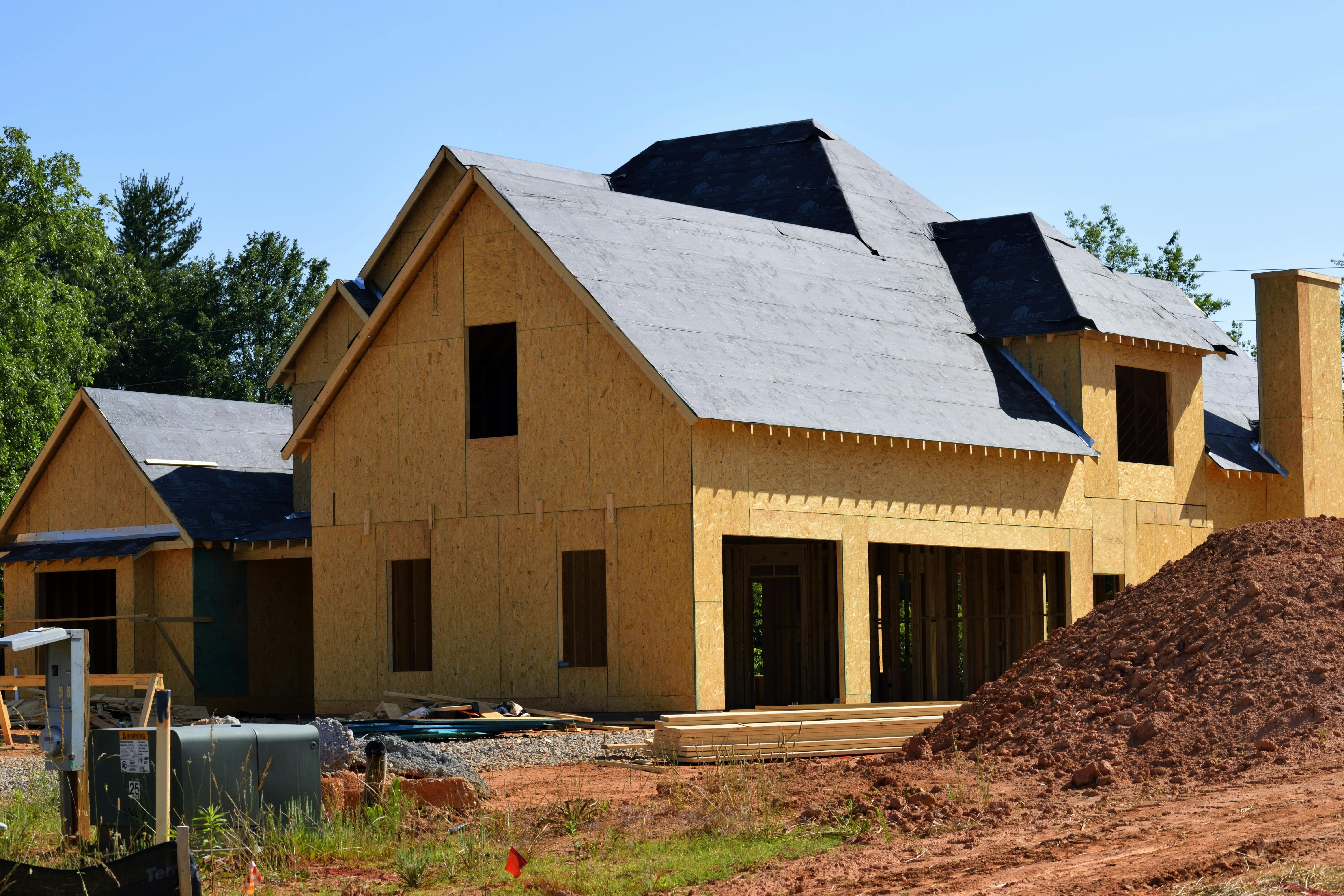
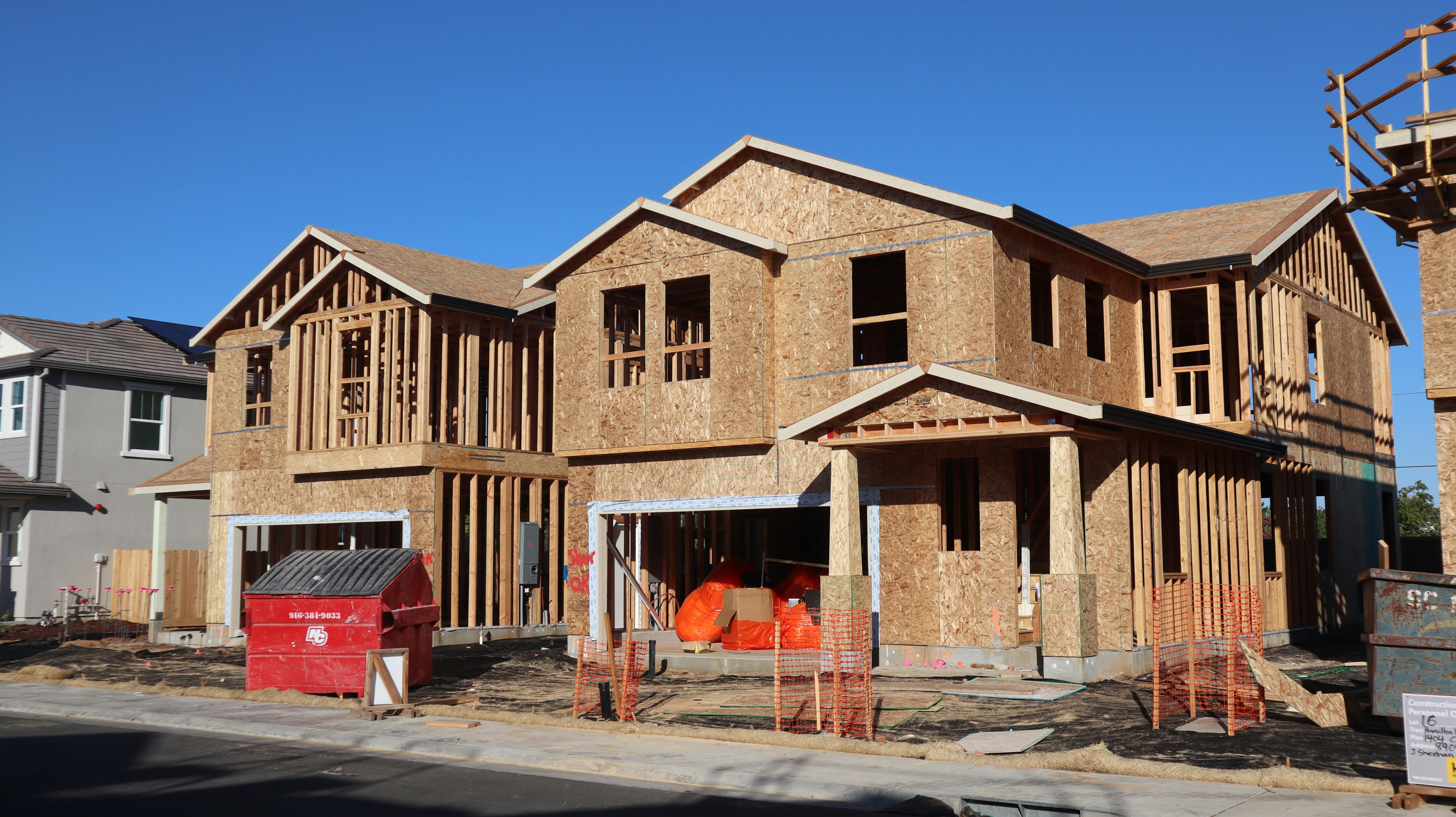
Taylor Wimpey completed 10,614 homes in 2025, meeting government housing targets at the company level. Chief executive Jennie Daly described the firm as "well positioned to generate value from our high-quality, well located landbank." The company announced a £52m share buyback programme, attempting to signal confidence to investors rattled by the profit drop.
The contradiction is stark. Politicians demand 1.5m homes. Builders are meeting completion targets. Yet the sector is simultaneously haemorrhaging profit to remedy past construction failures, replacing chief executives, and watching share prices stagnate or fall.
Taylor Wimpey's shares dropped roughly 5% over the past year, recovering only slightly on Thursday after results were announced. The market understands what the political rhetoric obscures: these firms cannot accelerate production whilst absorbing nine-figure legacy costs.
Julie Palmer, managing partner at real estate advisory firm BTG, offered a measured assessment: "House builders have proven their ability to be flexible, and people need homes." True enough. But flexibility has limits when legacy liabilities exceed annual profits.
The policy tension will intensify. Labour's 1.5m homes target requires private builders to accelerate production beyond current levels. Planning reform alone won't deliver that outcome if the firms responsible for construction are diverting hundreds of millions of pounds to fix buildings they've already sold.
Either the government finds mechanisms to socialise some remediation costs, or it accepts that the builders capable of hitting housing targets are the same ones whose balance sheets are groaning under fire safety bills. The political appetite for the former appears non-existent. The mathematical impossibility of the latter grows clearer with each quarterly result.
Taylor Wimpey reports its spring selling season is performing well, with mortgage availability improving and "encouraging" customer interest. Market conditions may yet turn in the sector's favour. But the fire safety costs aren't discretionary or cyclical.
They're a structural drag that will persist until every affected building is remediated—a process likely to stretch years into the future. The housing targets, meanwhile, are immediate. Something will have to give, and it won't be the laws of arithmetic.
- Fire safety remediation represents a multi-year structural cost that will constrain housebuilder profitability regardless of market conditions—this isn't a cyclical problem that resolves with lower rates or planning reform
- The policy contradiction between demanding accelerated homebuilding and imposing unlimited historical liability on the firms expected to deliver it remains unresolved and likely unsustainable
- Watch for government intervention mechanisms: if housing targets are genuinely non-negotiable, some form of remediation cost socialisation or liability cap becomes mathematically necessary

Co-Founder
Multi-award winning serial entrepreneur and founder/CEO of Venntro Media Group, the company behind White Label Dating. Founded his first agency while at university in 1997. Awards include Ernst & Young Entrepreneur of the Year (2013) and IoD Young Director of the Year (2014). Co-founder of Business Fortitude.
Comments
💬 What are your thoughts on this story? Join the conversation below.
to join the conversation.