Tottenham's Women's Team Thrives as Men's Side Faces Relegation: A Test of Structural Independence
- Tottenham Women sit one point behind Champions League qualification whilst the men's team faces genuine relegation threat
- Spurs are investing in a dedicated women's training facility at Whitewebbs Park in Enfield, aiming to create "the La Masia of women's football"
- Premier League relegation costs approximately £100m in immediate broadcasting income alone
- Tottenham Women averaged around 2,800 attendance at Brisbane Road this season, with plans to move most fixtures to the 63,000-capacity main stadium
The Tottenham Hotspur Stadium will host a Mother's Day fixture this Sunday, though few watching the match between Spurs Women and Everton could have imagined such a contrast within one football club. While the men's first team fights a genuine relegation battle for the first time in nearly fifty years, their female counterparts sit one point and a goal difference outside Champions League qualification. The divergence poses a question rarely tested at this scale: can a major football club operate two genuinely independent businesses under the same corporate roof?

Tottenham Women's managing director Andy Rogers insists the answer is yes, and he's backing that conviction with significant capital. Plans are advancing for a dedicated training ground and academy facility at Whitewebbs Park in Enfield, a project Rogers frames as nothing less than an attempt to create "the La Masia of women's football". Barcelona's legendary youth academy remains the gold standard in development pathways. Whether Spurs can replicate that model whilst the men's team potentially tumbles out of the Premier League represents a fascinating test of organisational priorities.
A Different Structural Bet
Here's where Tottenham's approach gets interesting. Everton, Chelsea, and Aston Villa have all carved their women's teams into separate legal entities, creating formal distance between the two operations. Rogers is explicitly rejecting that path, despite claiming his budget and planning cycle operate independently from the men's side.
Enjoying this article?
Get stories like this in your inbox every week.
According to Rogers, conversations with CEO Vinai Venkatesham have provided assurances that the women's budget remains protected even if relegation materialises. He told City AM that the club maintains a "one club, two teams" philosophy that somehow preserves operational autonomy without legal separation.
No budget is truly insulated from a £100m-plus revenue shock, which is roughly what Premier League relegation costs in immediate broadcasting income alone.
The claim deserves scrutiny. Football history is littered with promises made during good times that evaporated when financial pressure arrived. What Rogers describes sounds more like current management intent than structural protection. Should ownership priorities shift under financial stress, there's nothing preventing capital reallocation away from the women's side.
Rogers acknowledges he sees "the challenges quite clearly" when observing rivals who have pursued formal separation, particularly around "what that separation actually looks like" in practice. Translation: legal independence creates its own complications, particularly around shared infrastructure, commercial arrangements, and brand access. Tottenham's bet is that operational clarity within a unified structure delivers better outcomes than the messy reality of formal divorce.
The Champions League Barrier
What makes the Whitewebbs Park investment notable is its timing. Breaking into the WSL's top four requires sustained capital deployment over multiple seasons. Manchester City, Chelsea, Arsenal, and Manchester United currently hold those positions with significant financial backing. According to figures from recent WSL reporting, the gap between established top-four clubs and mid-table competitors runs into millions in annual playing budgets.
Spurs sit fifth, level on points with fourth-placed United but behind on goal difference. Maintaining that trajectory through summer transfer windows whilst building academy infrastructure demands the kind of multi-year commitment that typically assumes stable revenues. The club brought in head coach Martin Ho last summer alongside signings including Toko Koga and Signe Gaupset.
Rogers describes Ho as "instrumental to the project" and claims he wouldn't swap him "for anyone", which reads as either genuine conviction or the sort of public backing that often precedes difficult conversations. The strategic question is whether Tottenham's approach represents genuine innovation or merely deferred reality. Running two independent businesses under one corporate structure works brilliantly when both businesses perform.
The pressure test comes when one struggles and the other needs investment to capitalise on momentum.
Commercial Logic vs Structural Risk
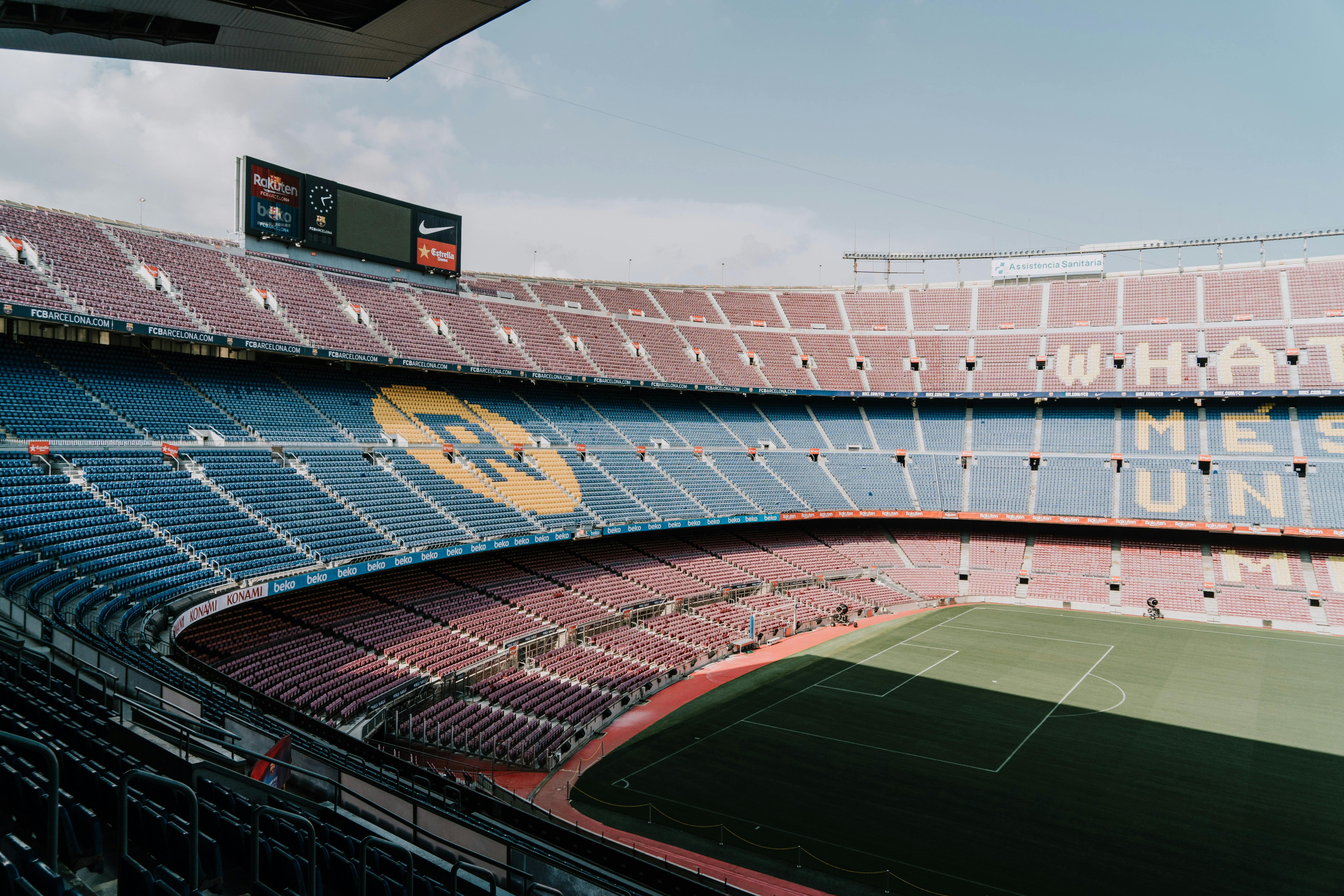
There's a reasonable business case for keeping the women's team integrated. Tottenham's brand, stadium access, and commercial infrastructure provide advantages that a legally separate entity would need to negotiate for. The club plans to move most home fixtures from Brisbane Road to the Tottenham Hotspur Stadium "within the next couple of seasons", according to Rogers. That 63,000-capacity venue represents the kind of asset that's difficult to access without formal club integration.
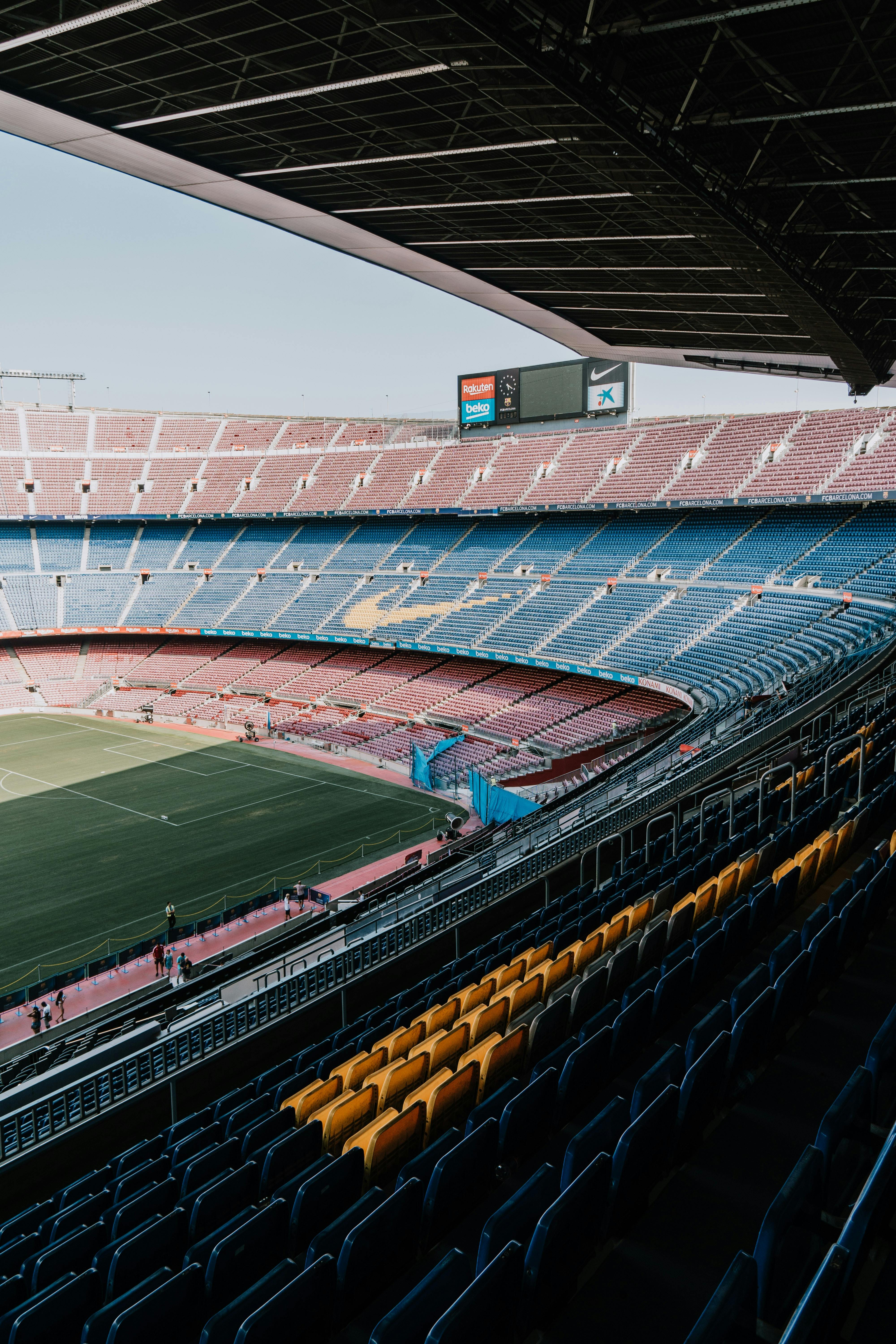
Rogers emphasises the need to build "habits of supporters" beyond marquee fixtures against Arsenal or Chelsea. Average WSL attendances remain modest compared to men's football, though growth rates have been substantial. Tottenham averaged around 2,800 at Brisbane Road this season, according to WSL attendance data. Moving to the main stadium makes commercial sense only if the club can fill enough seats to justify operational costs.
The infrastructure investment tells the more important story. Capital projects like Whitewebbs Park typically require board approval and multi-year financial commitments. That Tottenham is proceeding suggests genuine institutional backing, at least under current leadership. Whether that survives potential regime change or severe financial pressure from relegation remains an open question that no amount of managerial assurance can fully answer.
What happens over the next eighteen months will provide the clearest evidence yet of whether football's traditional ownership model can accommodate two genuinely independent growth trajectories, or whether financial gravity eventually pulls everything toward the men's side regardless of structural promises.
- Watch whether Tottenham's promised budget protection for the women's team survives if men's relegation becomes reality—the true test of "operational independence" without legal separation
- The Whitewebbs Park investment and stadium move represent genuine institutional commitment, but only under current leadership and financial conditions
- The next eighteen months will determine if unified corporate structures can sustain two divergent performance trajectories, or if financial pressure inevitably prioritises the men's side

Co-Founder
Multi-award winning serial entrepreneur and founder/CEO of Venntro Media Group, the company behind White Label Dating. Founded his first agency while at university in 1997. Awards include Ernst & Young Entrepreneur of the Year (2013) and IoD Young Director of the Year (2014). Co-founder of Business Fortitude.
Comments
💬 What are your thoughts on this story? Join the conversation below.
to join the conversation.