Premiership Rugby's Ringfencing: Stability or Stagnation?
- Worcester, Wasps, and London Irish have all entered administration since 2022
- France's Top 14 broadcast deal is worth approximately £88 million annually compared to the Premiership's £40 million with TNT Sports
- Toulouse averages over 22,000 attendance compared to Premiership clubs' typical 12,000-15,000
- The United Rugby Championship ringfenced in 2021 but broadcast revenues have remained essentially flat over three seasons
The business case for scrapping relegation in English rugby comes from an unlikely source: a minority shareholder in Toulouse, the club that has spent decades thrashing English sides whilst operating in the one major European league still committed to promotion and relegation. Bruno Cheval, a financial trader with a stake in the six-time European champions, reckons the Premiership's decision to ringfence its top tier could finally make English clubs attractive to investors—and perhaps even allow them to catch France's Top 14. It's a thesis that cuts to the heart of sport's fundamental tension between competitive integrity and financial sustainability.

Cheval's argument, delivered in a personal capacity rather than on behalf of Toulouse, rests on a simple premise: European sports are "underdeveloped, undermonetised" because relegation scares off serious capital. When a club can drop out of the top division, long-term investment becomes a minefield. Stabilise the league structure, he contends, and you create the conditions for proper commercialisation—better product, more engagement, higher broadcast revenues.
The RFU Council's vote last month makes Premiership Rugby the second major European league to eliminate automatic relegation, following the United Rugby Championship. That leaves France's Top 14 as the last major holdout, creating a striking structural divergence across the continent.
Enjoying this article?
Get stories like this in your inbox every week.
When survival looks like strategy
What gives Cheval's optimism particular bite is the wreckage littering the Premiership's recent history. Worcester, Wasps, and London Irish have all entered administration since 2022. The financial instability argument isn't theoretical—it's an obituary list.
Ringfencing removes consequences from failure. Those three clubs collapsed under unsustainable spending and poor governance. A closed league doesn't prevent mismanagement; it just ensures the corpse gets reanimated under new ownership rather than replaced by a hungry Championship side.
The comparison points matter here. American major leagues—the obvious template for closed systems—have delivered spectacular commercial growth through mechanisms like salary caps, revenue sharing, and draft systems that promote competitive balance. None of those features currently exist in Premiership Rugby's ringfenced model. The league has eliminated the stick without introducing the carrots that make closed systems function.
Research from sports economists at the University of Michigan found that competitive balance in closed American leagues actually increased fan engagement compared to open European football leagues, but the crucial variable was enforcement of parity mechanisms, not simply the absence of relegation. The Premiership is betting it can attract capital first and build those structures later.
Red Bull and the philosophy shift
Cheval points to Red Bull's investment in Newcastle Falcons as evidence that smart money sees opportunity. He's not wrong to note that Red Bull's sporting ventures—from Formula One to football—demonstrate sophisticated pattern recognition in undervalued assets.
But rugby union has historically resisted the full-throated commercialisation that Red Bull represents. The sport turned professional only in 1995, decades behind football, and much of its culture remains rooted in amateur-era values. The shift to a closed league marks a philosophical crossing as much as a financial one—a final abandonment of the meritocratic ideal that any club, properly run and sufficiently ambitious, could reach the top tier.
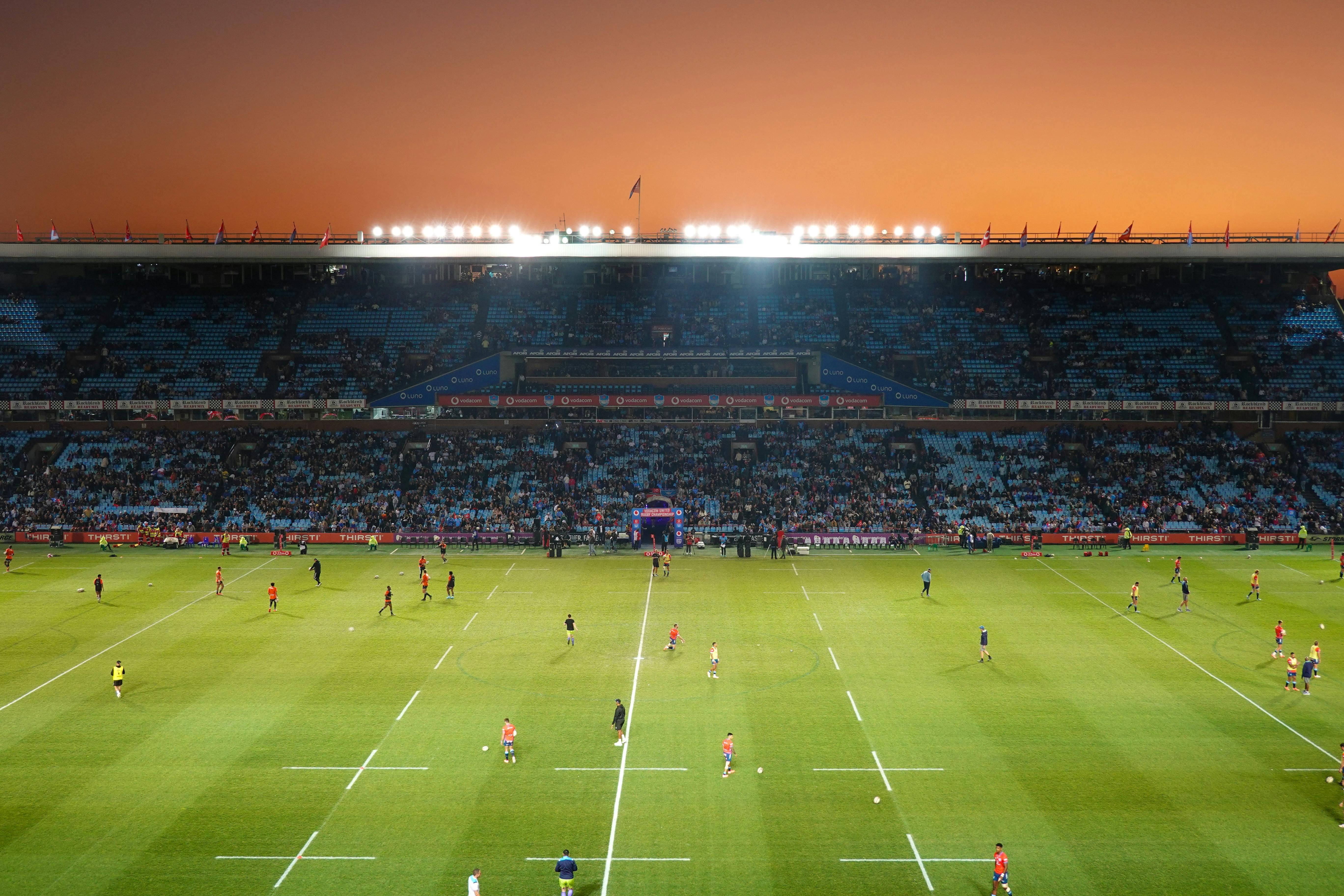
French rugby, meanwhile, continues to dominate European competition whilst maintaining relegation. Toulouse itself sits atop that system. The Top 14's broadcast deal with Canal+ is worth approximately £88 million annually compared to the Premiership's £40 million arrangement with TNT Sports. French clubs also benefit from wealthier private ownership and larger stadiums—Stade Toulousain averages over 22,000 attendance compared to Premiership clubs' typical 12,000-15,000.
Can closed leagues actually deliver growth?
Cheval's confidence that a ringfenced Premiership could "chase down" the Top 14 requires examining whether closed leagues reliably produce the growth he anticipates. The evidence is mixed.
The United Rugby Championship ringfenced in 2021. Three seasons on, broadcast revenues have remained essentially flat, and attendance figures show modest decline in several markets. The PRO14, its predecessor competition, generated roughly £31 million in annual broadcast revenue; the current URC deal is believed to be in a similar range according to figures reported in the Irish Times.
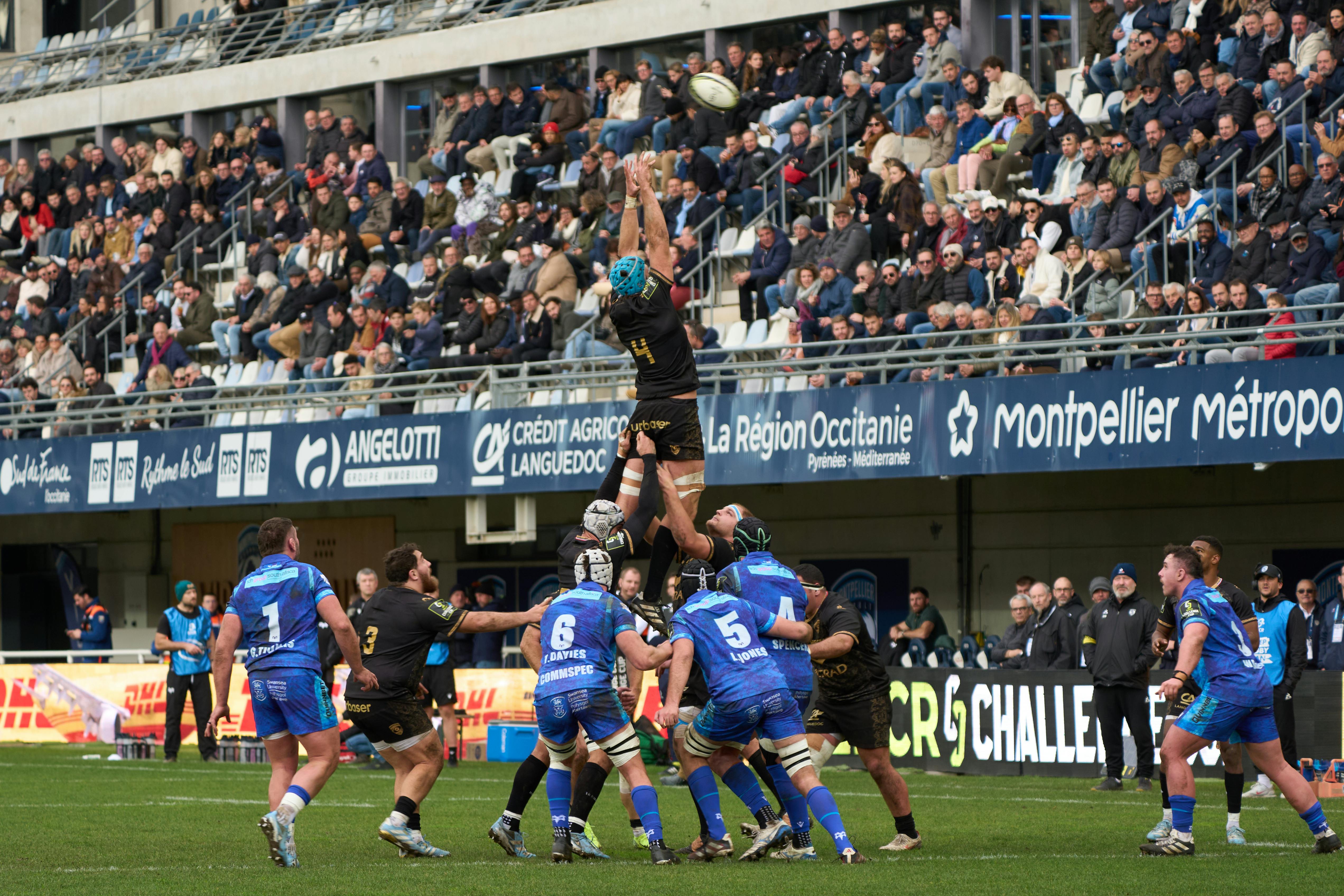
Contrast that with American sports, where closed leagues operate in a protected domestic market with vast population scale and deeply embedded cultural primacy. The Premiership competes for attention against football's overwhelming dominance, operates across a smaller population base, and faces the structural challenge that its best players remain tied to international rugby—a constraint American franchises don't face.
When you start having closed leagues, obviously some teams might say it doesn't matter if we lose. That competitive apathy—that slow drift toward mediocrity when consequences vanish—is precisely what relegation's defenders fear most.
The next two seasons will test whether private equity and strategic investors share Cheval's optimism. If capital flows in and clubs invest in infrastructure, academies, and player development, the experiment might validate his thesis. If instead ownership groups simply extract value from guaranteed top-flight status whilst performance stagnates, French rugby's open system will look increasingly attractive by comparison.
The Top 14 has managed to be both commercially successful and competitively ruthless—proof that you can have relegation and investment if the underlying market is strong enough. How ringfencing and franchising plays out could decide the future of English rugby's business model, with infrastructure and investment debates already intensifying among club owners.
- Watch whether capital actually flows into Premiership clubs now that relegation risk is removed—Red Bull's Newcastle investment is the first test case
- The absence of American-style parity mechanisms like salary caps and revenue sharing means ringfencing alone may not deliver competitive balance or commercial growth
- France's Top 14 proves relegation and commercial success can coexist—the Premiership's experiment will reveal whether England's market is strong enough to follow suit or requires artificial protection

Co-Founder
Multi-award winning serial entrepreneur and founder/CEO of Venntro Media Group, the company behind White Label Dating. Founded his first agency while at university in 1997. Awards include Ernst & Young Entrepreneur of the Year (2013) and IoD Young Director of the Year (2014). Co-founder of Business Fortitude.
Comments
💬 What are your thoughts on this story? Join the conversation below.
to join the conversation.