UK Manufacturing's Two-Speed Recovery: Big Firms Thrive, Small Ones Falter
- Britain's manufacturing PMI hit 51.7 in February, with factory output reaching its highest level in 17 months
- Export orders grew at their fastest pace in four and a half years, driven by demand from China, the EU, Middle East and North America
- Small manufacturers contracted in February while large firms drove virtually all gains, revealing a two-speed recovery
- Manufacturing employment has fallen for 16 consecutive months despite five months of production growth
Britain's factory sector is experiencing a sharp recovery, but the gains are dangerously concentrated. While large manufacturers enjoy surging export orders and rising output, small firms are contracting—exposing a two-tier industrial economy that threatens to deepen regional inequality and undermine the government's ambitions for broad-based growth. The headline figures mask a troubling reality: this recovery is leaving much of the sector behind.
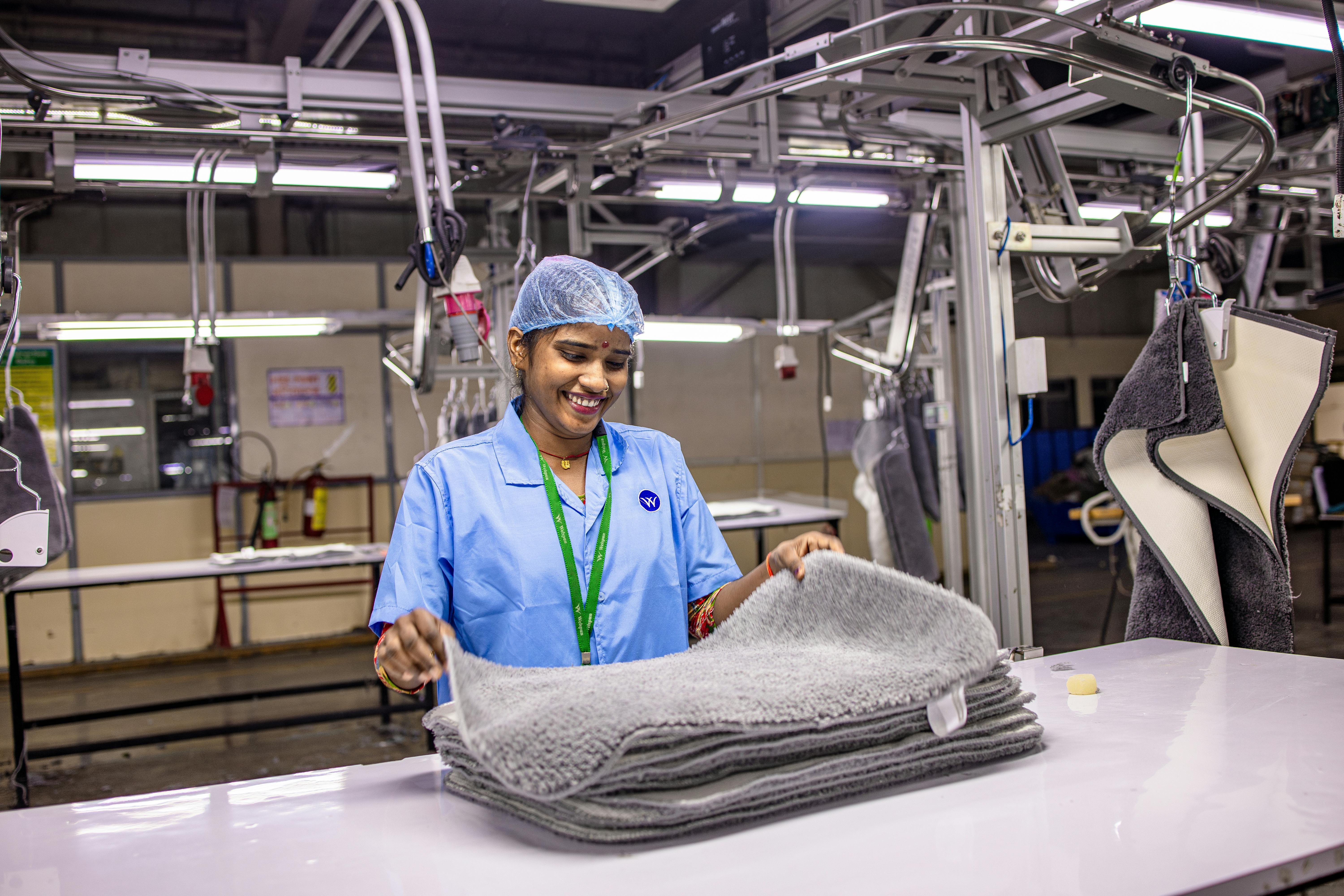
The S&P Global PMI reading of 51.7—marginally down from January's 51.8—captures activity across the sector as a whole. But that top-line figure obscures a more troubling reality. Large manufacturers are driving virtually all the gains, bolstered by renewed export demand from China, the EU, Middle East and North America.
Medium-sized operations are also seeing growth. Small manufacturers, meanwhile, contracted in February, recording falls in both output and new orders. What's emerging is a two-speed manufacturing economy that raises serious questions about the resilience and inclusivity of Britain's industrial recovery.
Enjoying this article?
Get stories like this in your inbox every week.
Export surge masks domestic weakness
The standout figure in February's data was export orders, which grew at their fastest pace in four and a half years. This reflects a meaningful shift in where British manufacturers are finding demand. After years of post-Brexit adjustment and repositioning, firms appear to be securing traction in international markets just as domestic appetite shows signs of cooling.
Production rose for the fifth consecutive month, with the expansion rate hitting its highest point since September 2024. Companies attributed the increase to stronger order books and improved client confidence. The trajectory matters more than any single month's reading, and on that measure the sector appears to have genuine momentum behind it.
Yet domestic demand remains subdued, and the benefits of export growth are flowing predominantly to larger operations with the scale, resources and established relationships to compete internationally.
Smaller manufacturers—typically more reliant on UK customers and less able to absorb the costs of exporting—are struggling to participate in the upturn. The policy implications are stark. If the government's industrial strategy is to succeed, it cannot rely on a handful of large firms to carry the entire manufacturing sector forward.
Jobs crisis continues despite output gains
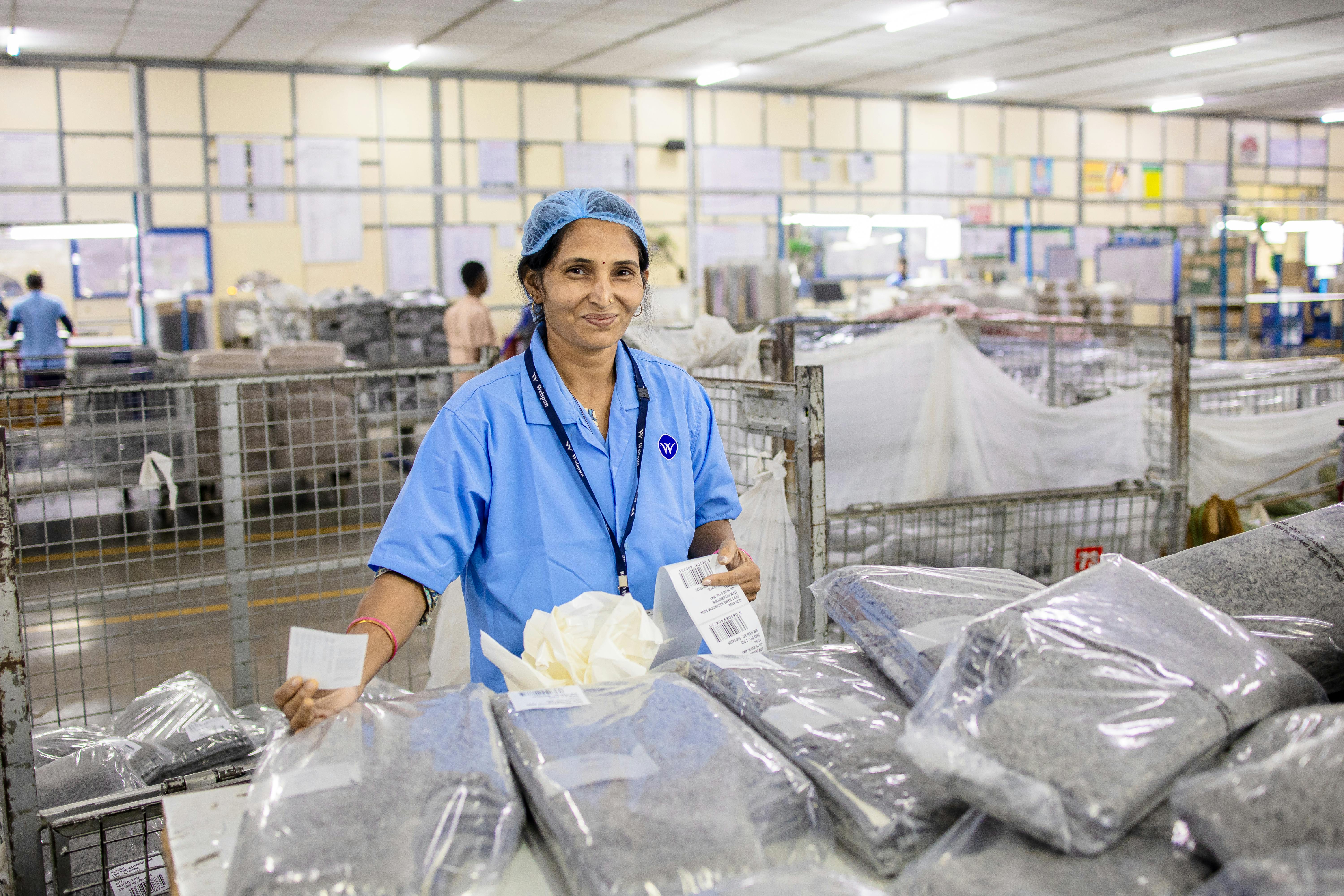
Perhaps the most striking aspect of February's data is what it reveals about employment. Despite five months of production growth, manufacturers have now shed jobs for 16 consecutive months. The rate of decline eased slightly in February—prompting some optimistic commentary about "stabilisation"—but make no mistake: firms are still cutting staff.
This isn't temporary belt-tightening. What we're witnessing is a structural shift as manufacturers prioritise efficiency and automation over headcount. Output is rising while employment falls, a combination that points to significant productivity gains but also signals a fundamental change in how the sector operates.
According to Rob Dobson, director at S&P Global Market Intelligence, manufacturers expect 'new product launches, rising client confidence and planned investments' to drive growth over the coming year. But he also acknowledged continued caution around recent Budget measures and the persistent threat of US tariffs under the Trump administration.
The contradiction is glaring. Manufacturing output is recovering and export orders are surging, yet firms are not hiring.
What the divide means for economic recovery
The emergence of a two-tier manufacturing sector carries implications well beyond factory gates. Small and medium manufacturers are critical to supply chains, often serving as specialist suppliers to larger firms. If smaller operations continue to struggle while their larger customers thrive, supply chain resilience could become an issue.
Regional inequality is another concern. Large manufacturers tend to be concentrated in certain areas and sectors, whilst smaller firms are more widely distributed across the country. A recovery that excludes small manufacturers risks deepening geographical divides that successive governments have pledged to narrow.

The Budget's impact on business confidence remains a complicating factor. National Insurance increases and other cost pressures announced last autumn have hit smaller firms particularly hard, given their limited ability to absorb higher overheads. Larger manufacturers, with greater scale and pricing power, have been better positioned to weather these changes.
External headwinds from trade barriers and post-Brexit adjustment haven't disappeared either. The threat of US tariffs hangs over exporters, whilst geopolitical instability continues to create uncertainty. February's strong export performance could prove fragile if trade barriers rise or global demand weakens.
The coming months will reveal whether small manufacturers can reverse their fortunes or if Britain's industrial recovery will remain the preserve of its largest players. Policymakers would do well to watch the gap between winners and losers as closely as they watch the headline PMI number. A manufacturing sector that works only for big business is not a sector that can underpin broad-based economic growth.
- The widening gap between large and small manufacturers threatens supply chain resilience and risks deepening regional inequality across Britain
- Rising output alongside 16 months of job losses signals a structural shift towards automation that may hollow out manufacturing employment even as the sector recovers
- Watch whether small manufacturers can access export markets and benefit from government industrial strategy—if not, the recovery will remain dangerously narrow and vulnerable to disruption

Co-Founder
Multi-award winning serial entrepreneur and founder/CEO of Venntro Media Group, the company behind White Label Dating. Founded his first agency while at university in 1997. Awards include Ernst & Young Entrepreneur of the Year (2013) and IoD Young Director of the Year (2014). Co-founder of Business Fortitude.
Comments
💬 What are your thoughts on this story? Join the conversation below.
to join the conversation.