Various Eateries' Pub Acquisition: A Strategic Retreat from Casual Dining
- Various Eateries acquiring four premium pubs with rooms from Grosvenor Pubs and Inns for £11.25 million, completing around 23 March
- Venues combining accommodation with food and beverage saw revenue decline of just 8% in 2023 versus 14% for standalone restaurants
- Domestic overnight trips in Britain reached 114.8 million in 2023, well above the 99.1 million recorded in 2019
- British hospitality sector lost 1,843 casual dining outlets in 2023, with labour costs up 9.8% year-on-year
Hugh Osmond knows pubs. The man who built Punch into Britain's largest pub company isn't pivoting his restaurant group into accommodation by accident. Various Eateries' £11.25 million acquisition of four premium pubs with rooms from Grosvenor Pubs and Inns, announced alongside a rebrand to Coppa Collective, represents something more calculated than simple expansion.
The deal, which will complete around 23 March, brings Wild Thyme & Honey in the Cotswolds, The Hare & Hounds in Berkshire, The Stag on the River in Surrey, and The Wellington Arms in Hampshire into the fold. A fifth property, The Queen's Head in Surrey, hangs in the balance whilst navigating the 'asset of community value' process, which could add up to six weeks to any potential acquisition. These venues will form a new brand within the group, The Linwood Collection, sitting alongside existing concepts Coppa Club and Noci across 20 sites.
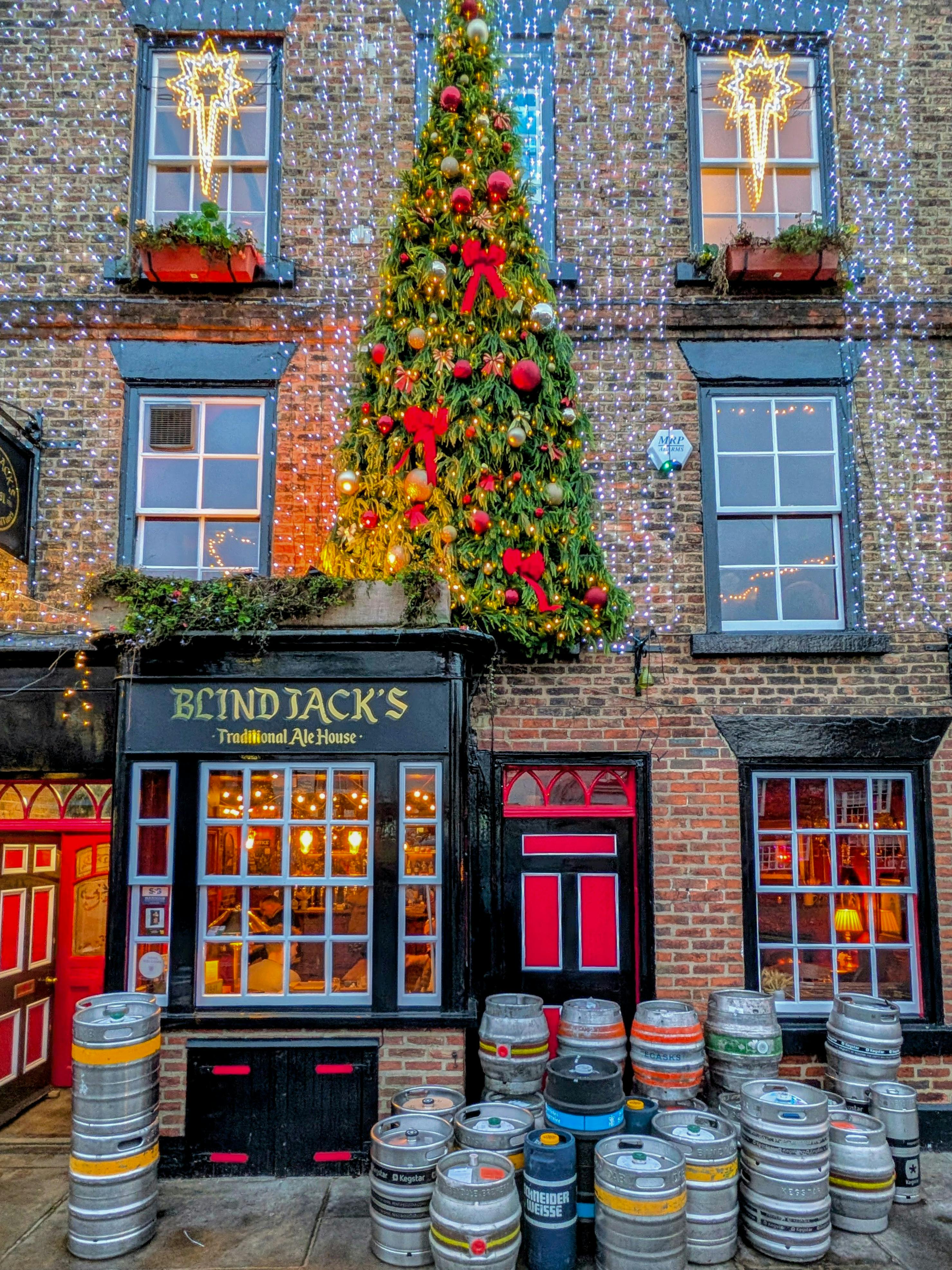
What's telling isn't the acquisition itself. Various Eateries flagged M&A ambitions just a month ago, so nobody should be surprised to see them writing cheques. What matters is where that capital is flowing.
Enjoying this article?
Get stories like this in your inbox every week.
Pure restaurant plays are giving way to hybrid models that bundle food, drink, and overnight stays into a single proposition.
The revenue stream equation
Premium pubs with rooms have quietly outperformed casual dining throughout the economic turbulence of the past five years. According to research from hospitality analysts CGA, venues combining accommodation with food and beverage offerings saw revenue decline by just 8% during 2023's cost-of-living squeeze, whilst standalone restaurants contracted by 14%. The maths isn't complicated.
Accommodation income proves particularly valuable during the week, when restaurant covers typically drop. Data from STR Global shows that boutique rural properties in southern England maintained average occupancy rates of 68% in 2023, with average daily rates holding firm at £145. Factor in food and beverage spending from overnight guests, and the unit economics shift dramatically compared to turning tables at lunch and dinner alone.
The staycation market, which surged during pandemic travel restrictions, hasn't evaporated despite the return of international tourism. Visit Britain figures indicate domestic overnight trips reached 114.8 million in 2023, down only marginally from 2022's elevated levels and still well above the 99.1 million recorded in 2019. British consumers, it seems, have acquired a taste for premium domestic breaks.
The founder's calculated return
That Osmond is the architect of this strategy adds weight to the thesis. His credentials in the pub sector run deep. Punch Pubs, which he founded in 1997, grew to control over 8,000 venues at its peak before being sold to Spirit Group for £2.7 billion in 2002.
Various Eateries launched Coppa Club in 2016, building a portfolio around Instagram-friendly riverside locations and those ubiquitous igloos that proliferate across social feeds each winter. The brand carved out a niche, but casual dining in Britain has become treacherous territory. Figures from UKHospitality show the sector lost 1,843 outlets in 2023 alone, with labour costs up 9.8% year-on-year and energy bills still running 40% above pre-pandemic levels despite recent declines.
Mark Loughborough, chief executive of Various Eateries (soon to be Coppa Collective), positioned the acquisition as bringing in properties that 'have earned their reputations the right way, through great hospitality, careful attention to detail and a real sense of place'. Marketing language aside, the strategic logic is transparent. These aren't distressed assets being snapped up for pennies; the group is paying full price for established venues in affluent postcodes.
What consolidation reveals
The timing connects to broader consolidation across British hospitality. Casual dining chains have spent years retreating, with Byron, Jamie's Italian, Carluccio's, and others either collapsing or radically shrinking. Meanwhile, premium pubs and boutique hotel groups have attracted serious capital.
When a man who built Britain's largest pub company starts buying pubs again, the casual dining model looks increasingly casual.
Various Eateries hasn't disclosed its own financial performance alongside this acquisition, which raises questions operators and investors should note. Is this expansion from strength, capitalising on momentum, or diversification away from struggling restaurant economics? The fact the company signalled M&A ambitions only a month before closing a deal suggests opportunism rather than distress, but transparency around trading performance would bolster confidence.

The shift from pure dining to hybrid hospitality models will likely accelerate. Consumer spending patterns have fundamentally altered since 2020, with discretionary income under sustained pressure and diners becoming more selective about mid-week meals out. Premium experiences that justify overnight stays, however, remain resilient among the demographic Osmond is targeting: affluent home counties residents and London weekenders seeking countryside escapes.
Whether this marks the first of several acquisitions under the rebranded Coppa Collective depends partly on debt capacity and trading performance through 2024. More broadly, watch for other restaurant groups eyeing similar pivots. The Cotswolds, where Wild Thyme & Honey operates, has become particularly competitive as hospitality operators chase the same affluent staycation market.
- The pivot from standalone restaurants to pubs with rooms reflects a structural shift in British hospitality economics, where multiple revenue streams provide resilience that dining-only formats cannot match in the current cost environment
- Watch for further consolidation as restaurant groups seek hybrid models combining accommodation with food and beverage, particularly targeting affluent staycation markets in southern England
- Osmond's return to pub acquisitions signals that experienced operators view casual dining as increasingly precarious compared to premium hospitality offerings that justify overnight stays and higher spend per guest

Co-Founder
Multi-award winning serial entrepreneur and founder/CEO of Venntro Media Group, the company behind White Label Dating. Founded his first agency while at university in 1997. Awards include Ernst & Young Entrepreneur of the Year (2013) and IoD Young Director of the Year (2014). Co-founder of Business Fortitude.
Comments
💬 What are your thoughts on this story? Join the conversation below.
to join the conversation.