Vistry CEO's Exit Signals Deeper Issues in Affordable Housing
- Vistry Group's share price plunged 22 per cent in a single day following CEO Greg Fitzgerald's retirement announcement after 45 years in the industry
- Britain's second-largest housebuilder reported a 9 per cent drop in completions to 15,658 homes, with revenue falling 4 per cent to £4.2bn
- Vistry delivers one in every seven affordable homes built in the UK, making it critical to Labour's 1.5m homes target
- Two major housebuilders announced leadership changes on the same day whilst posting weak results, raising questions about sector confidence
Greg Fitzgerald insists his timing is perfect. The market begs to differ. When the Vistry Group chief executive announced his retirement on Wednesday after 45 years in the industry, investors responded by wiping 22 per cent off the housebuilder's share price within hours, sending it plunging to 490p.
The numbers behind the exit tell their own story. Britain's second-largest housebuilder reported a 9 per cent drop in completions to 15,658 homes last year, whilst revenue fell 4 per cent to £4.2bn. Pre-tax profit nudged up 2 per cent to £269m, but only because expectations had already been downgraded. Fitzgerald blamed uncertainty in the run-up to November's Budget for the slowdown, particularly in the second half of 2024.
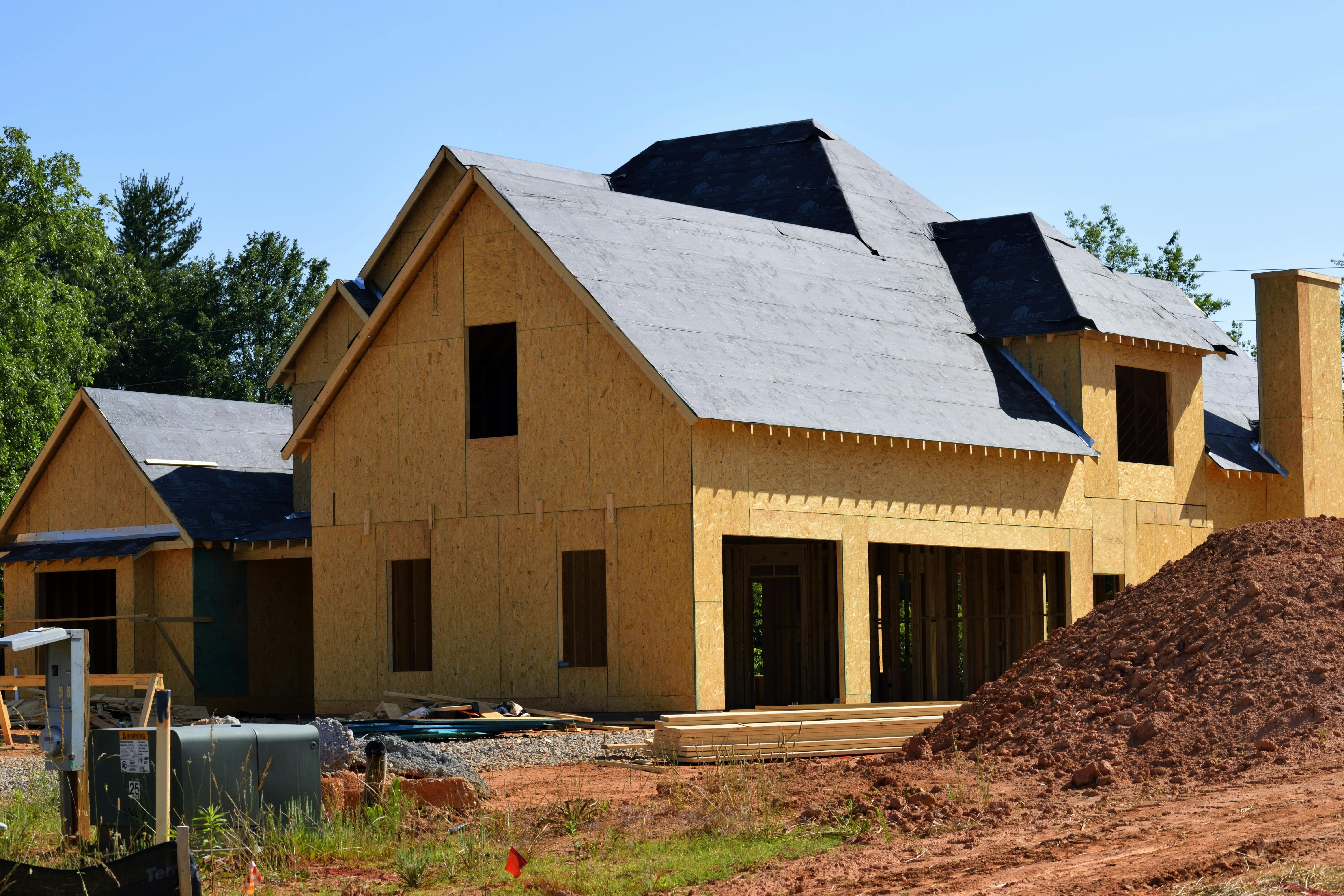
What's striking here is the pattern. Barratt Redrow, the country's largest housebuilder, announced its own leadership change the very same day, installing former infrastructure boss Dean Banks at the helm. When two major industry players swap chief executives within 24 hours whilst posting weak results, it's hard to argue this is merely coincidence or careful succession planning.
Enjoying this article?
Get stories like this in your inbox every week.
The affordable housing squeeze
Vistry occupies a peculiar position in Britain's housing ecosystem. The firm specialises in affordable and social housing, delivering one in every seven affordable homes built across the country last year according to its own figures. That makes it indispensable to Labour's ambitions of constructing 1.5m homes before the next election.
But affordable housing carries thinner margins than open market developments, and those margins are getting squeezed from multiple directions. The November Budget introduced increased employer National Insurance contributions, adding to labour costs. Interest rates, whilst no longer rising, remain elevated compared to the ultra-low environment that propped up the sector for years.
Affordable housing carries thinner margins than open market developments, and those margins are getting squeezed from multiple directions.
Fitzgerald acknowledged market conditions are "challenging" whilst attempting to strike a "cautiously optimistic" note about 2025. The company welcomed government planning reforms, suggesting these would help the industry meet ministerial targets. Whether planning system changes can overcome cost pressures and affordability constraints is another question entirely.

When 'personal reasons' meet market scepticism
Anthony Codling, an analyst at RBC Capital Markets, wasn't buying the smooth narrative. He described Fitzgerald as amongst the "most charismatic and entertaining" bosses in the sector, then suggested the timing might prove, with hindsight, "a little early". The phrasing was diplomatic. The implication was not.
Fitzgerald doubled down during Wednesday's analyst call, insisting his departure stemmed from personal considerations and had been mapped out well in advance. Perhaps that's entirely true. Yet company bosses rarely choose to exit immediately after disappointing results unless there's genuine conviction that better times lie ahead.
The market clearly harbours doubts. A 22 per cent single-day share price collapse doesn't accompany retirements that investors believe are genuinely routine. That scale of reaction suggests concerns about either the company's prospects, the difficulty of replacing an established leader during turbulent times, or both.
What this means for Labour's housing ambitions
The simultaneous leadership changes at Vistry and Barratt Redrow should concern anyone banking on the private sector to deliver the government's 1.5m homes commitment. These aren't struggling regional players or speculative developers. They're FTSE-listed giants with substantial land banks and established supply chains.
If the chiefs steering these operations are choosing this moment to step aside, it raises questions about sector confidence that ministerial optimism about planning reforms doesn't quite answer.
Affordability remains the fundamental challenge. Higher interest rates mean smaller mortgages for buyers. Increased National Insurance means higher costs for builders. Vistry's focus on affordable housing makes it particularly vulnerable to this squeeze, as social housing grant rates don't automatically adjust for cost inflation in ways that allow margins to be maintained.

Investors are pricing in these structural headwinds rather than the government's aspirational targets. The dramatic sell-off in Vistry shares, despite results that met the company's own lowered guidance, suggests the market sees limited upside even if policy conditions improve. That's a worrying signal for a sector supposedly on the cusp of a building boom.
Fitzgerald will formally depart in May. His successor inherits a business positioned at the centre of national housing policy but facing margin pressures that won't ease quickly. The question isn't whether Vistry can survive these conditions. It's whether the affordable housing segment can expand significantly under them, or if Labour's targets will remain aspirational regardless of how many planning applications get approved.
- The market's brutal reaction signals deep scepticism about whether planning reforms alone can overcome structural cost pressures in affordable housing
- Simultaneous leadership departures at Britain's two largest housebuilders suggest sector confidence remains fragile despite government ambitions
- Watch whether Labour adjusts social housing grant rates to match cost inflation, as this will determine if affordable housing targets are achievable or merely aspirational

Co-Founder
Multi-award winning serial entrepreneur and founder/CEO of Venntro Media Group, the company behind White Label Dating. Founded his first agency while at university in 1997. Awards include Ernst & Young Entrepreneur of the Year (2013) and IoD Young Director of the Year (2014). Co-founder of Business Fortitude.
Comments
💬 What are your thoughts on this story? Join the conversation below.
to join the conversation.