TfL's Four-Day Week Plan Backfires: Safety Concerns Trump Flexibility
- 1,800 Bakerloo line drivers rejected TfL's four-day working week proposal in a referendum
- Six strike dates scheduled between 24 March and 21 May affecting only the Bakerloo line
- The proposal would compress existing hours into four longer days, not reduce total working time
- TfL operates under severe financial constraints since pandemic passenger numbers collapsed
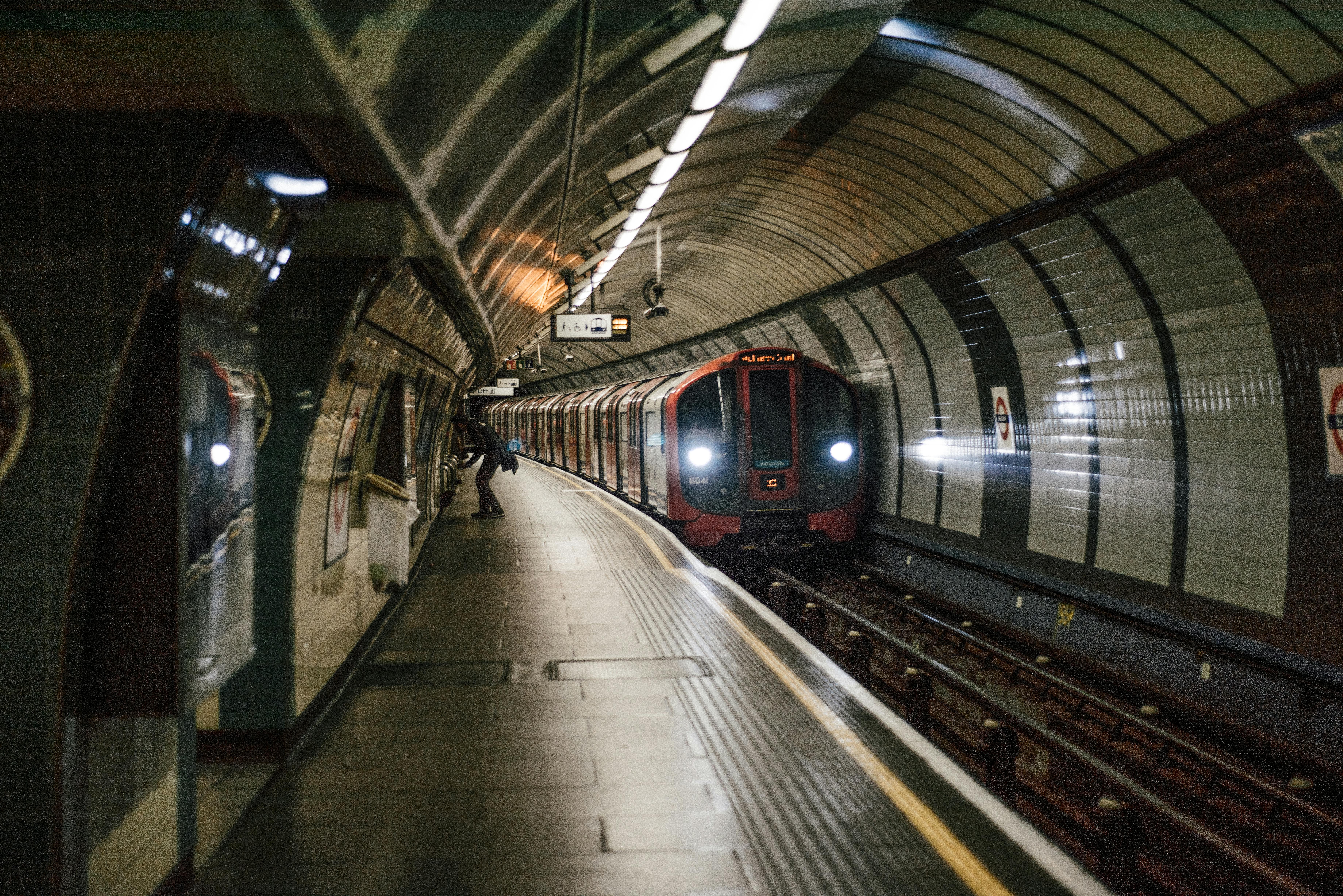
Transport for London faces a sustained wave of industrial action across spring as Bakerloo line drivers prepare to walk out six times between late March and May. The dispute centres on a proposal that, in almost any other industry, would be hailed as progressive workplace reform: a four-day working week. But when 1,800 train drivers rejected the plan in a referendum, citing fatigue and safety concerns, it exposed the uncomfortable truth that flexibility policies designed for desk workers don't always translate to safety-critical operations.
The strikes, scheduled for noon on 24 and 26 March, 21 and 23 April, and 19 and 21 May, will affect only the Bakerloo line rather than the entire Underground network. That distinction matters for commuters planning their journeys, though businesses reliant on workers travelling through central London from the line's southern reaches will still feel the impact.
The compressed hours conundrum
What makes this dispute particularly revealing is the nature of the four-day week on offer. TfL isn't proposing reduced hours, the model that has gained traction among companies experimenting with productivity gains and improved work-life balance. According to the transport authority's spokesperson, drivers would maintain their current contractual hours, simply compressed into four longer days rather than five standard ones.
Enjoying this article?
Get stories like this in your inbox every week.
The Rail, Maritime and Transport union tells a different story. General secretary Eddie Dempsey frames the proposal as something 'forced through' despite membership rejection, highlighting concerns about 'shift lengths, unacceptable working time arrangements and the potential impact on fatigue and safety'. That language matters.
In sectors where concentration lapses can have catastrophic consequences, the difference between an eight-hour shift and a ten-hour one isn't merely arithmetic.
Research into compressed working patterns in transport operations remains limited, but studies of fatigue in safety-critical roles consistently point to deteriorating performance as shift length increases. The aviation industry has spent decades establishing duty-time limitations for precisely this reason. Train drivers operating in tunnels, managing acceleration and braking on aging infrastructure, and responding to emergency scenarios arguably face comparable cognitive demands.

Budget pressures in disguise
TfL's emphasis on cost neutrality and improved flexibility warrants scrutiny. The transport authority has operated under severe financial constraints since passenger numbers collapsed during the pandemic and have only partially recovered. When an organisation promoting a working pattern change stresses it will 'create no additional cost' whilst improving 'ability to flexibly deploy' staff, unions hear efficiency drives rather than wellbeing initiatives.
The proposal to improve reliability and enable 'modern and efficient service' delivery suggests TfL believes compressed schedules will help manage driver availability across the Bakerloo line's operating hours more effectively. Fewer handovers between shifts could theoretically reduce delays. Longer individual shifts might cover peak and off-peak periods with less scheduling complexity.
These operational benefits only work if the drivers actually operating those extended shifts remain as alert and responsive in hour nine as they were in hour two.
What's particularly striking is the collision between two workplace trends that emerged from the pandemic. Four-day weeks gained momentum as organisations discovered productivity needn't correlate directly with hours logged. Simultaneously, unions reasserted leverage in tight labour markets, particularly in sectors where remote work wasn't an option and staff shortages were acute.

Why this matters beyond the Bakerloo line
The dispute carries implications beyond London commuters' spring travel plans. As more organisations explore compressed working patterns, this conflict illuminates where the model's limits lie. Office workers shifting to four ten-hour days face fatigue of a fundamentally different character than someone responsible for hundreds of passengers' safety whilst operating heavy machinery in confined spaces.
TfL insists negotiations can still produce a resolution, calling the strikes 'completely unnecessary'. The union counters that months of engagement have failed to address safety concerns adequately. Both characterisations are disputed framings of a negotiation where neither side has yet demonstrated willingness to fundamentally shift position.
Businesses dependent on Bakerloo line connectivity have three months of intermittent disruption to plan around. But the broader question extends beyond strike dates: whether safety-critical industries can adopt workplace flexibility policies without compromising the very safety standards that justify their operational constraints. The trial was limited to one line for good reason. The results of this dispute will likely determine whether compressed working patterns expand across London's transport network or die on the tracks of the Bakerloo line.
- Workplace flexibility policies that work for desk-based roles may be fundamentally incompatible with safety-critical operations where fatigue poses catastrophic risks
- The outcome will set precedent for whether compressed working patterns can expand across London's transport network or remain confined to limited trials
- Watch for how TfL balances financial constraints with safety concerns—the tension between cost-neutral efficiency gains and worker protection will define similar disputes across transport sectors

Co-Founder
Former COO at Venntro Media Group with 13+ years scaling SaaS and dating platforms. Now founding partner at Lucennio Consultancy, focused on GTM automation and AI-powered revenue systems. Co-founder of Business Fortitude, dedicated to giving entrepreneurs the news and insight they need.
Comments
💬 What are your thoughts on this story? Join the conversation below.
to join the conversation.