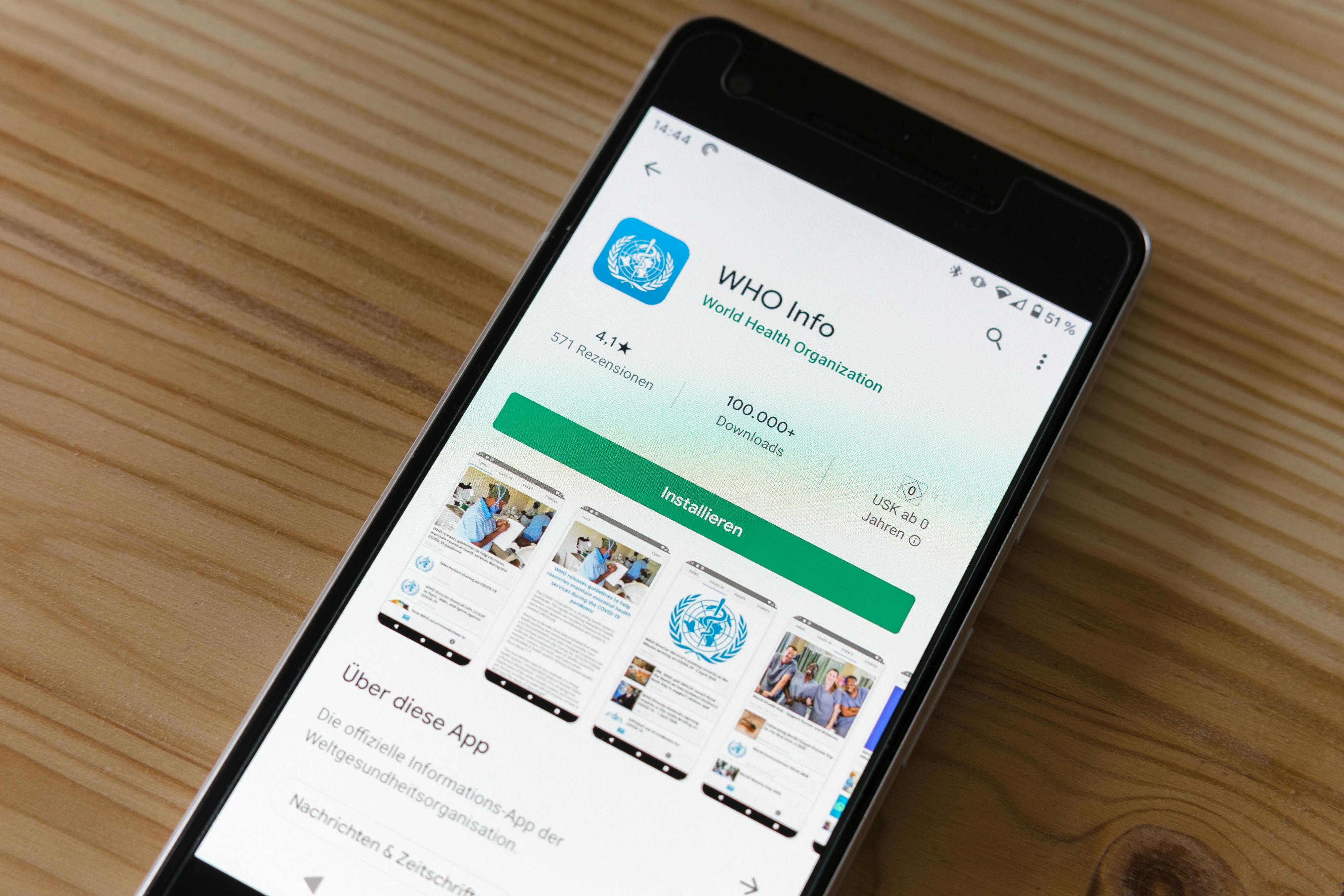
Fibremaxxing: A £180m Marketing Illusion, Not a TikTok Trend
- British food manufacturers spent £180m on a five-year campaign to engineer the "fibremaxxing" trend that appeared spontaneous on social media in 2026
- More than 400 high-fibre products launched since 2021, with Premier Foods alone adding 554 tonnes of fibre to the UK market in 2025
- Only 12 per cent of 18 to 34 year-olds understand what fibre actually does, compared with 28 per cent of over-55s
- British Google searches for "fibre" climbed steadily from mid-2021, whilst American searches remained flat until January 2026
The prunes in your shopping basket weren't put there by a health-conscious TikToker. They were placed there by a five-year, £180m marketing operation that British food manufacturers have only now admitted orchestrating. What appeared to spontaneously erupt on social media as "fibremaxxing" in early 2026 was actually the culmination of a carefully engineered campaign that began in 2021, when the Food and Drink Federation quietly launched its Action on Fibre initiative.
The timing of this revelation is particularly revealing. After years of defensive battles over salt and sugar content, the industry shifted to what Amy Glass, the FDF's head of UK diet and health policy, describes as a "more positive approach" to nutrition messaging. Translation: rather than fighting restrictions, manufacturers decided to manufacture demand.
The numbers tell the story of an industrial-scale effort. More than 400 high-fibre products launched since 2021. Premier Foods alone claims to have added 554 tonnes of fibre to the UK market in 2025.
Enjoying this article?
Get stories like this in your inbox every week.
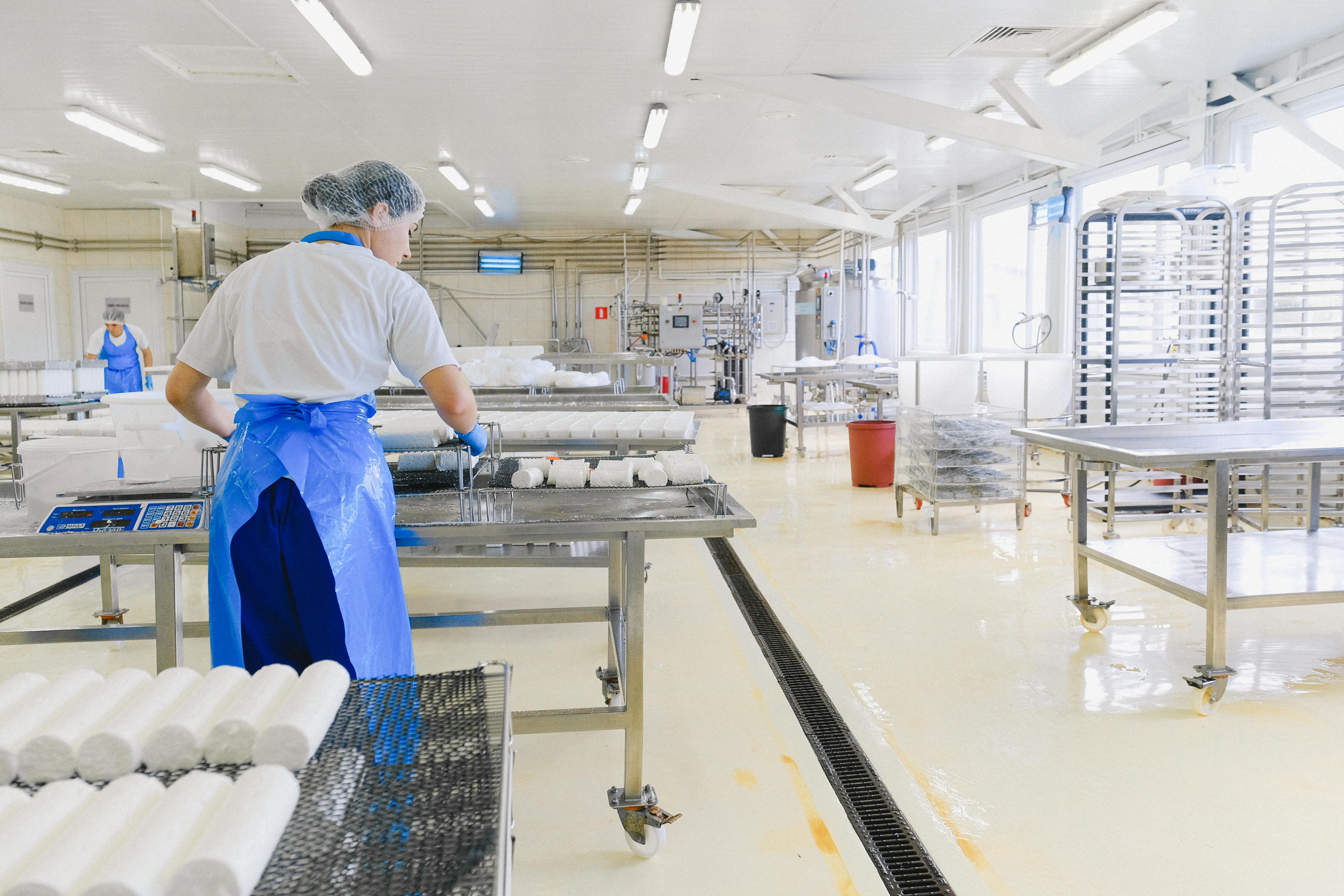
The FDF estimates its members spent £180m on reformulation in 2024. These aren't the hallmarks of companies responding to consumer trends. They're the infrastructure of companies creating them.
The protein playbook, part two
Anyone who watched protein transform from gym-bro obsession to mainstream grocery staple will recognise the pattern. Warburtons told City AM they've witnessed the same trajectory with protein "over the last few years" and are pleased it's now "fibre's turn for the spotlight." The phrasing is instructive.
Nutrients apparently take turns in the spotlight, like actors waiting in the wings.
The bread manufacturer has committed to making 60 per cent of its products a source of fibre by 2030, with half the range high in fibre by 2040. These are decade-long strategic commitments, not agile responses to fleeting social media fads.
What's particularly striking is the admission that younger consumers don't actually understand what fibre does. According to YouGov polling cited by Warburtons, just 12 per cent of 18 to 34 year-olds know fibre's function, compared with 28 per cent of over-55s. The generation supposedly driving fibremaxxing on TikTok is largely ignorant of the basic science.

They're performing enthusiasm for a nutrient they don't understand, following a script written by corporate product development teams.
The smoking gun in Google Trends
The most damning evidence sits in the divergence between British and American search behaviour. Google Trends data shows searches for "fibre" (the British spelling) climbing steadily from mid-2021, building momentum over five years. Searches for "fiber" (American spelling) remained flat until January 2026, when they suddenly doubled between December and February.
British manufacturers spent half a decade laying supply-side groundwork. American TikTokers stumbled across the concept in early 2026, treated it as a discovery, and the resulting viral content then reflected back to British consumers who'd been swimming in high-fibre products for years without particularly noticing.
The illusion of spontaneity was complete.
Ryvita, an FDF member, has been "engaging directly with TikTok users," according to Glass, who suggested these initiatives "will really have helped to build that awareness among consumers and hopefully have driven some of this trend." The carefully passive construction does considerable work there.
What this means for food culture
The uncomfortable question isn't whether food manufacturers try to influence what we eat. Of course they do. The question is whether we're comfortable with the extent to which our supposedly organic digital culture is actually corporate theatre, and whether industry-led reformulation genuinely improves public health or simply shifts consumption patterns in commercially convenient directions.
The FDF claims 1.5 billion servings of fibre have been consumed as a result of these efforts. That figure is essentially unverifiable and assumes causation where there's merely correlation. Sales of prunes rose 60 per cent in the past year, according to research by Savanta and Ocado.

Fruit and fibre cereal is up 52 per cent. But attributing all of that to manufacturer initiatives requires believing that nothing else influences what people eat.
Sixty-two per cent of Gen-Z respondents told Savanta they're trying to increase dietary fibre. Whether they're doing so because of genuine nutritional knowledge or because they've been fed a carefully constructed narrative about what healthy eating looks like is the question nobody's asking.
The broader context matters too. This pivot to positive nutrition messaging coincides neatly with mounting regulatory pressure on salt, sugar, and reformulation. Fibre allows manufacturers to market health benefits rather than defend against restrictions. The commercial logic is impeccable.
Whether the public health logic is equally sound remains an open question. The industry has proved it can manufacture viral trends and engineer consumer behaviour at scale. What it hasn't proved is whether these manufactured trends actually make us healthier, or just make us buy different versions of the same processed foods with better PR. As manufacturers apply this proven formula to the next fashionable nutrient, that distinction will matter considerably more than your TikTok engagement metrics.
- What appears as spontaneous social media trends may be the result of multi-year, multi-million pound corporate campaigns designed to manufacture consumer demand
- The shift from defensive messaging about salt and sugar to positive messaging about fibre coincides with regulatory pressure, suggesting commercial rather than purely health-driven motives
- Watch for this formula to be replicated with future nutrients as manufacturers perfect the art of engineering viral health trends whilst avoiding meaningful reformulation challenges
Co-Founder
Former COO at Venntro Media Group with 13+ years scaling SaaS and dating platforms. Now founding partner at Lucennio Consultancy, focused on GTM automation and AI-powered revenue systems. Co-founder of Business Fortitude, dedicated to giving entrepreneurs the news and insight they need.
Comments
💬 What are your thoughts on this story? Join the conversation below.
to join the conversation.