Jo Malone's Name Is Her Brand. Estée Lauder Says It's Their Asset.
- Estée Lauder acquired Jo Malone London and naming rights to "Jo Malone" in 1999, nearly 25 years ago
- The lawsuit targets a 2019 Zara collaboration where Malone used "Jo Malone CBE" on packaging
- Estée Lauder waited approximately five years before taking legal action against the partnership
- Malone launched her new brand Jo Loves in 2011, carefully avoiding her surname in the brand name itself
Jo Malone sold more than just a business in 1999—she sold her name. Now, Estée Lauder Companies is suing the celebrated British perfumer for trademark infringement and breach of contract after she used "A creation by Jo Malone CBE, founder of Jo Loves" on packaging for a Zara fragrance collaboration. The case raises a provocative question: can you sell your name but keep your identity?
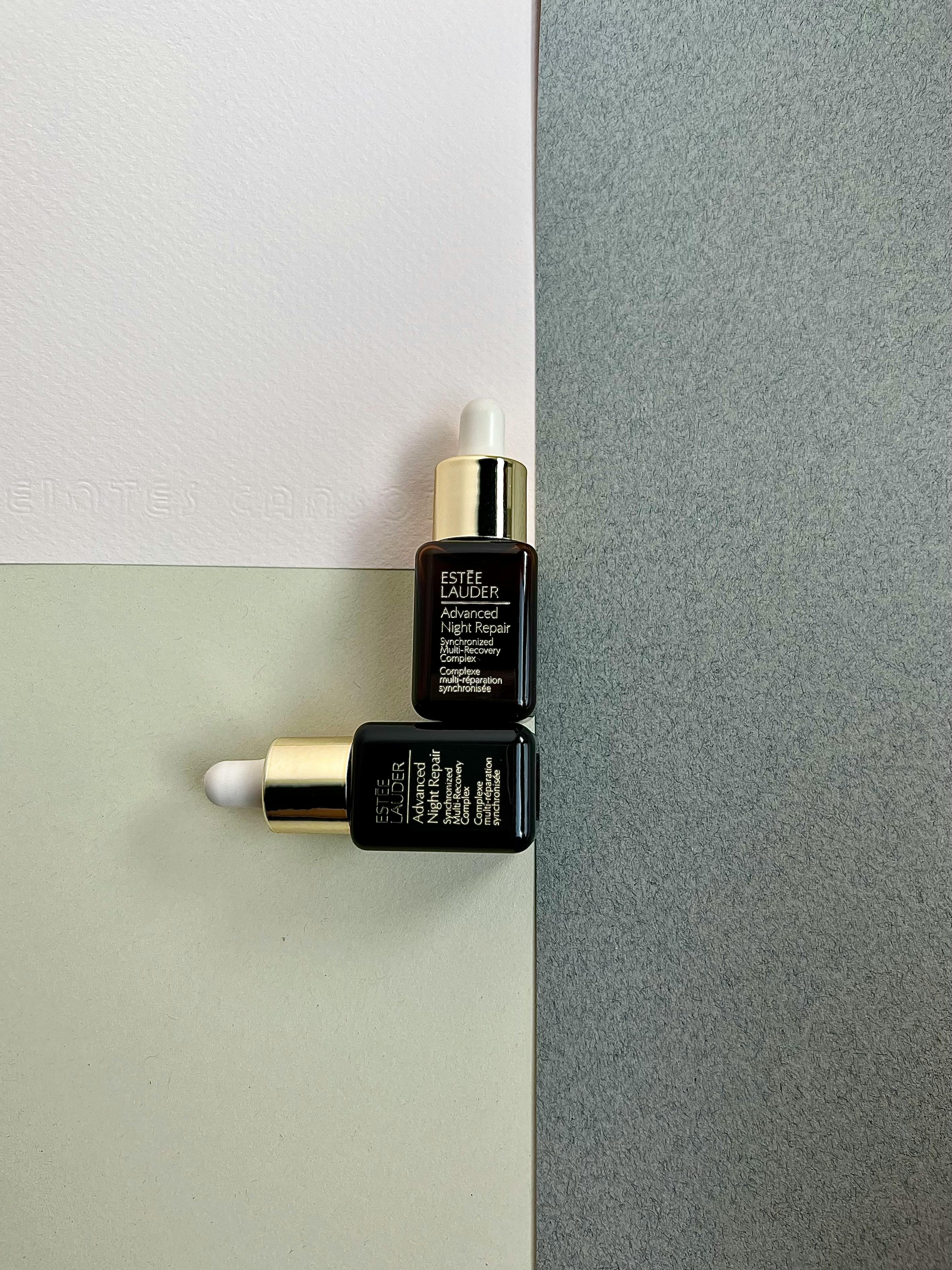
The price of a name
The 1999 sale that's at the heart of this dispute was, by most standards, a success. Malone had built her fragrance business from scratch in the early 1990s, creating a distinctively British aesthetic around ingredients like lime, basil and mandarin. When Estée Lauder acquired the brand, it secured not just the product line but the naming rights as part of the package.
But compensation doesn't erase identity. Malone has been public about her regret over selling those naming rights, a rare admission in an industry where founder exits are typically presented as unambiguous wins. She launched Jo Loves in 2011, carefully navigating around the contractual restrictions by avoiding her surname in the brand name itself.
Enjoying this article?
Get stories like this in your inbox every week.
The Zara collaboration appears to have tested those boundaries. By including "Jo Malone CBE" on the packaging—even in the context of her new brand—she crossed a line that Estée Lauder had apparently tolerated elsewhere. The lawsuit doesn't just cite breach of contract but also passing off, the legal claim that consumers might be confused about whether these products are connected to Jo Malone London.
That's the commercial threat laid bare: her personal brand equity, built over decades, now poses a risk to the brand she no longer owns.
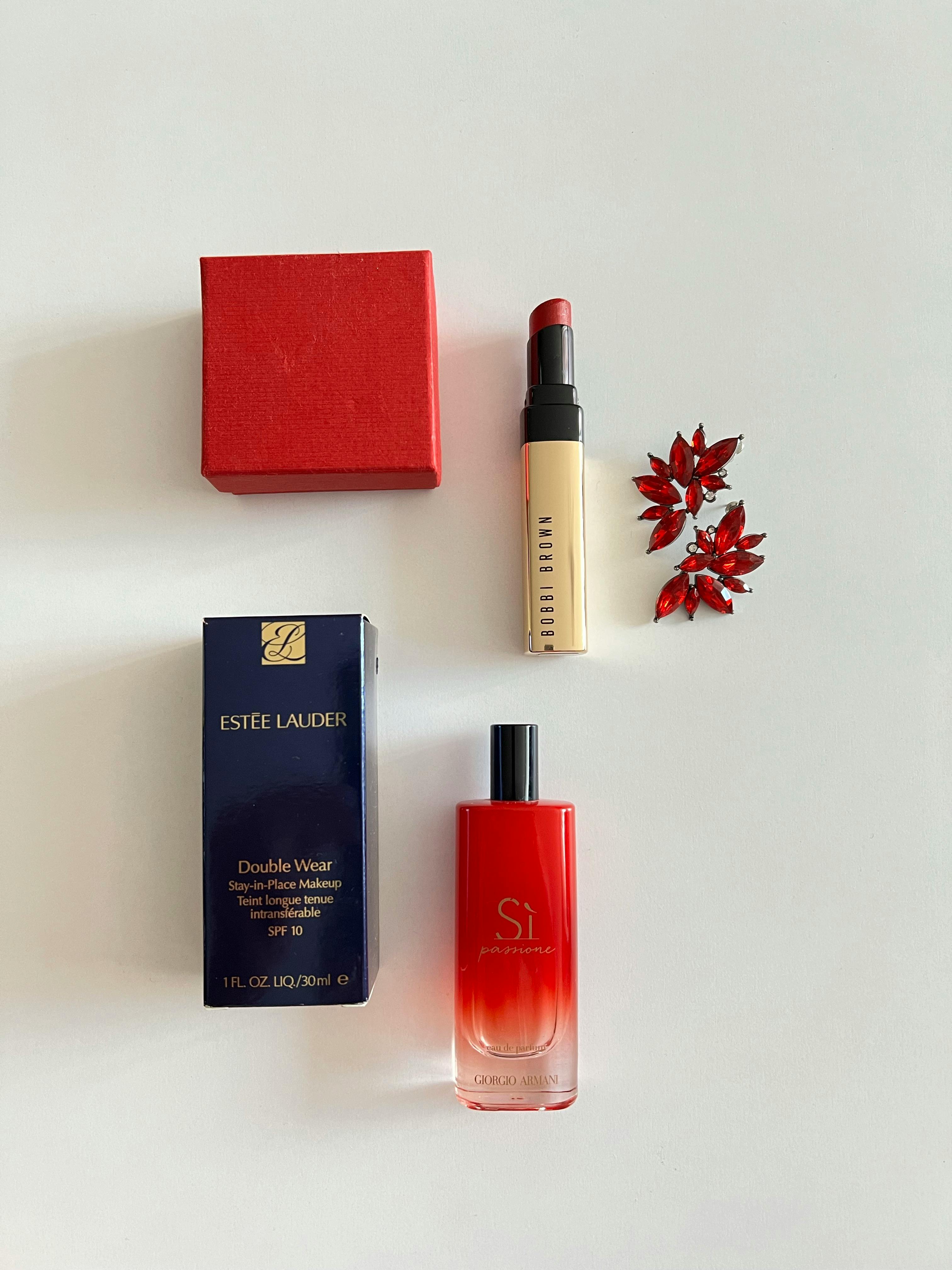
When your identity becomes someone else's asset
The tension here extends well beyond one perfumer's contractual dispute. In an economy increasingly built on personal brands—where founders are the product and authenticity is the currency—Malone's situation represents a cautionary tale about the long-term cost of selling out.
She's not the first founder to discover that naming rights can be more valuable than any upfront payment. Fashion designer Jil Sander famously sold her brand in 1999, left, returned, left again, and spent years unable to launch anything under her own name. The late designer Patrick Cox faced similar restrictions after selling his eponymous footwear brand.
What's interesting here is that the legal system treats a person's name as alienable property, something that can be sold and transferred like any other asset. That made sense in an era when brands were built through advertising and distribution. But when the founder is the brand—when their personal story, taste and identity are inseparable from the products they create—those contractual restrictions start to look less like standard business terms and more like a form of ongoing control.
Personal brand equity isn't just marketing fluff; it's quantifiable commercial value. Estée Lauder isn't being precious about contract terms. It's protecting an asset it paid for—one that happens to be someone else's identity.
The line in the sand
Why enforcement now, five years into the Zara collaboration? Estée Lauder's statement suggests that previous uses of Malone's name were within acceptable boundaries, but this particular instance crossed the line. Without seeing the full history of how she's marketed Jo Loves, it's difficult to assess whether this represents a genuine escalation or simply the point at which Estée Lauder decided to act.
The company frames this as straightforward contract enforcement: "legally binding contractual obligations cannot be disregarded." Fair enough. But the passing off claim suggests something more: that consumers seeing "Jo Malone" on fragrance packaging might assume a connection to Jo Malone London, despite the clear Jo Loves branding.

Zara UK has declined to comment. Malone hasn't responded. Until they do, we're hearing only one side of this story—the side with the legal team and the trademark registrations.
The outcome will matter beyond this specific dispute. As more founders sell their brands whilst remaining active in their industries, the question of what they're entitled to keep becomes pressing. Can you sell your name but keep your identity? Can contract law really fence off someone's professional future for decades? Malone's case will test how far those restrictions can stretch before they start to look unreasonable. The answer won't just affect perfumers.
- Founders selling brands today must carefully weigh the long-term implications of surrendering naming rights, as personal identity increasingly drives commercial value in the influencer economy
- The timing of Estée Lauder's enforcement—five years after the Zara launch—suggests this case may set new precedents for how aggressively companies police founder naming rights in an era of personal branding
- Watch for how courts balance contract law against professional freedom: if Malone can't use her own name transparently in her new venture, the restrictions on sold founder identities may be far more absolute than previously understood

Co-Founder
Multi-award winning serial entrepreneur and founder/CEO of Venntro Media Group, the company behind White Label Dating. Founded his first agency while at university in 1997. Awards include Ernst & Young Entrepreneur of the Year (2013) and IoD Young Director of the Year (2014). Co-founder of Business Fortitude.
Comments
💬 What are your thoughts on this story? Join the conversation below.
to join the conversation.