Tesla's UK Energy Licence: A Regulatory Blind Spot Exposed
- Tesla Energy Ventures received UK electricity supply licence approval on Wednesday after seven-month Ofgem review
- More than 18,000 public objections were submitted citing concerns over Elon Musk's political activities
- Tesla's automotive sales declined 9% in 2024 to 1.64 million vehicles, losing top position to BYD's 2.26 million units
- Only approximately 4.5% of UK homes currently have solar installations, representing 1.3 million properties
Elon Musk's energy subsidiary has secured approval to supply electricity directly to British households and businesses, despite more than 18,000 public objections centred on the billionaire's increasingly contentious political activities. The decision exposes an uncomfortable gap in how UK regulators approach foreign-controlled infrastructure when the controlling shareholder becomes a figure of political controversy. Britain's regulatory framework offers no mechanism to consider the political activities of individuals controlling essential services infrastructure.
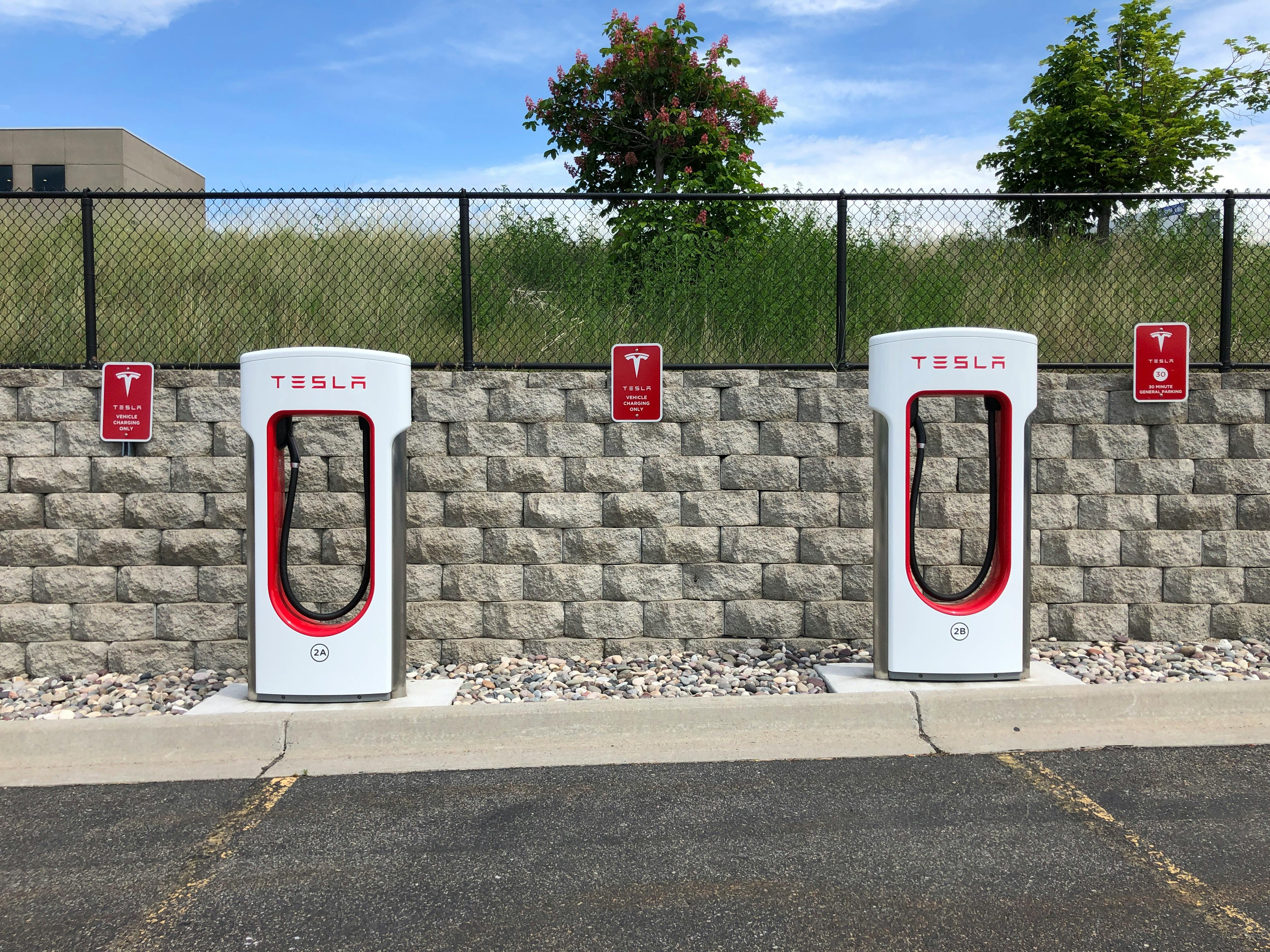
Tesla Energy Ventures received its electricity supply licence from Ofgem after a seven-month review, marking an expansion from its existing position as a generator in the UK market since 2020. The company already operates as a retail electricity supplier in Texas, where deregulated energy markets allow for more direct consumer relationships.
What's striking here isn't that Tesla applied for standard commercial licensing—it's that Britain's regulatory framework offers no mechanism to consider the political activities of individuals controlling essential services infrastructure. Ofgem's position that it "does not assess or grant licences to individuals" is legally defensible but looks increasingly tone-deaf when that individual has called for the overthrow of a democratically elected government.
Enjoying this article?
Get stories like this in your inbox every week.
A regulatory blind spot
The technical distinction matters. Energy Secretary Ed Miliband, who previously described Musk as a "dangerous person" and accused him of inciting violence, holds veto powers over certain supply licence applications. This particular category falls outside his remit entirely.
When Britain's energy licensing regime was constructed, the assumption was that commercial fitness would be the relevant criteria. The prospect of a politically active foreign billionaire with government advisory roles in another jurisdiction controlling domestic electricity supply simply wasn't part of the risk matrix.
Campaign group Best for Britain coordinated the 18,000 objections through an online tool, linking concerns about Musk's support for Donald Trump, his backing of far-right activist Tommy Robinson, and changes to X since his takeover. Chief executive Naomi Smith characterised the approval as a "powergrab" and called for ministerial intervention to reverse the decision, though the scope for such action remains unclear given the legal framework.

The Department for Energy Security and Net Zero pointed to Ofgem's independence and "sole legal responsibility" for supply licence assessment. That independence is a feature, not a bug, of UK utility regulation—designed to prevent political interference in commercial decisions. But the current situation tests whether that principle holds when the commercial entity is controlled by someone actively engaged in domestic political controversies.
Strategic necessity or opportunistic expansion
Tesla's push into UK retail electricity supply comes as its core automotive business faces serious headwinds. The company reported a 9% sales decline in 2024, delivering 1.64 million vehicles compared to 1.8 million the previous year. More significantly, it lost its position as the world's largest electric vehicle manufacturer to Chinese rival BYD, which sold 2.26 million units over the same period.
That commercial context makes the energy diversification look less like visionary expansion and more like strategic necessity. Tesla's integrated offering—solar panels, Powerwall batteries, vehicle charging, and now direct electricity supply—creates a vertically integrated ecosystem that could differentiate it from pure-play automotive competitors. But it also concentrates multiple infrastructure dependencies with a single provider whose reliability and governance are increasingly questioned.
Tesla's ability to bundle electricity supply with hardware could accelerate adoption, particularly among early adopters already invested in the brand.
The UK residential solar and battery storage market remains relatively small compared to other developed economies, constrained by planning regulations, installation costs, and modest government incentives. According to Solar Energy UK, approximately 1.3 million homes have solar installations, representing roughly 4.5% of the housing stock.
What comes next
Tesla Energy must comply with Ofgem's consumer protection requirements, fair treatment obligations, and financial responsibility standards. Violations could trigger penalties or licence revocation. Those safeguards address operational risks but do nothing about the governance questions surrounding control by a politically active individual.
Parliamentary scrutiny seems inevitable. MPs have already questioned how foreign nationals with advisory roles in other governments can operate critical infrastructure here, particularly when those individuals have made inflammatory statements about UK domestic politics. The Energy Security and Net Zero Committee may examine whether existing licensing frameworks remain fit for purpose.
For Tesla, the licence opens a potentially lucrative market at a time when its automotive dominance is slipping. For British policymakers, it exposes a regulatory architecture built for a different era—one where essential services providers stayed out of politics and political figures stayed out of utilities. That distinction no longer holds, and the framework hasn't caught up.
- UK energy licensing regulations contain no provisions for assessing political risks posed by individuals controlling infrastructure, creating a governance blind spot in an era of politically active billionaires
- Parliamentary scrutiny of the licensing framework appears inevitable, with potential examination by the Energy Security and Net Zero Committee on whether current safeguards remain adequate
- Tesla's vertical integration strategy could reshape UK residential energy markets, but concentrates multiple infrastructure dependencies with a single provider whose governance is increasingly questioned

Co-Founder
Multi-award winning serial entrepreneur and founder/CEO of Venntro Media Group, the company behind White Label Dating. Founded his first agency while at university in 1997. Awards include Ernst & Young Entrepreneur of the Year (2013) and IoD Young Director of the Year (2014). Co-founder of Business Fortitude.
Comments
💬 What are your thoughts on this story? Join the conversation below.
to join the conversation.