Disney's AI Deal: A Strategic Retreat or a New IP Frontier?
- Disney has granted OpenAI a three-year licence to use its IP in Sora for a $1bn equity stake
- Disney receives no traditional licensing fees, only equity warrants in a loss-making company
- The deal represents Disney's shift from litigation to pragmatic containment of AI-generated content
- Enders Analysis characterises this as addressing 'structural erosion of control' before it becomes irreversible
The famously litigious House of Mouse has done something unexpected: it's given up fighting. Disney has handed OpenAI a three-year licence to use its intellectual property in Sora, the video generation tool, in exchange for a $1bn equity stake. According to Enders Analysis, this isn't a bold leap into the future of entertainment — it's a defensive manoeuvre to stop the haemorrhaging of unauthorised AI-generated content featuring its characters.
What makes this arrangement remarkable isn't the money. Disney routinely strikes licensing deals worth far more. What's significant is the admission embedded within it: that even the most protective brand in entertainment history has concluded it cannot sue its way out of the generative AI revolution.
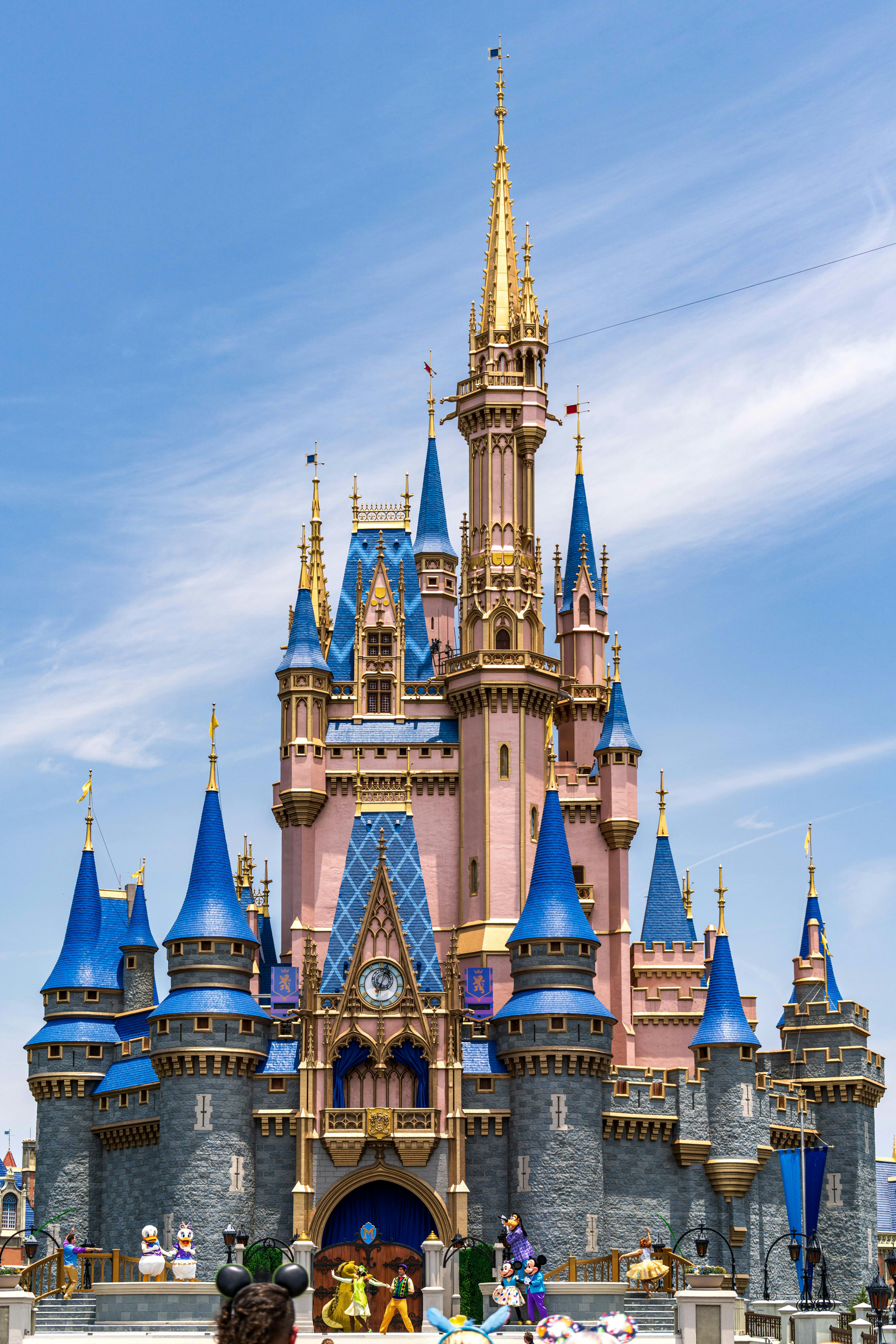
The company that built a century-long empire on absolute control of character usage has pivoted to pragmatic containment. The economics here tell a revealing story. Disney isn't receiving licensing fees in the traditional sense.
Enjoying this article?
Get stories like this in your inbox every week.
Instead, it's taking equity warrants in a company that remains loss-making, with no proven revenue-sharing framework for AI-generated content. This is a bet on future value rather than immediate income — and for a company that typically extracts payment from every Mickey Mouse appearance on a lunch box, that represents a profound strategic shift.
The erosion that forced Disney's hand
AI video tools haven't just made it easier to create Disney-adjacent content. They've made it inevitable. Sora and its competitors can now produce footage that looks passably like a Star Wars sequence or a princess from the animated canon.
Disney faced a choice between endless litigation against individual creators and platform providers — a game of Whac-A-Mole that would consume legal resources whilst doing little to stem the tide — or establishing formal licensing channels that at least gave it visibility and some measure of control over how its IP was being deployed.
Enders Analysis describes this as addressing 'structural erosion of control' before it became irreversible. The Sag-Aftra union, representing many of the creative workers whose livelihoods depend on traditional entertainment production, responded with concern.
A spokesperson characterised the deal as 'unlikely to generate meaningful near-term financial upside' and warned the industry should be 'worried' about the implications. They're right to be. This arrangement essentially acknowledges that user-generated AI content isn't going away, and that rights holders need to adapt their business models accordingly rather than attempting to litigate it out of existence.
Why this is a hedge, not a commitment
The structure of the agreement reveals Disney's ambivalence. Three years is notably brief for a strategic partnership of this magnitude. The scope is narrow, limited to Sora and OpenAI's image tools specifically.
This provides Disney with multiple escape routes. If OpenAI's business model fails to materialise, if the equity stake proves worthless, if public backlash against AI-generated content intensifies, Disney can simply walk away when the term expires. They're testing the water, not diving in.
Analyst Gareth Sutcliffe from Enders Analysis notes that user-generated content has historically benefited franchise owners by keeping characters culturally relevant between official releases. The challenge isn't the content itself — it's ensuring rights holders capture financial value from it.
The key for all copyright owners, including Disney, will be to ensure they receive appropriate financial upside from user generated content that uses specific AI tools, through a royalty mechanism that reflects the usage of that IP.
But here's the problem: no such mechanism currently exists in any standardised form. Disney is essentially writing the playbook as it goes, hoping that its equity position in OpenAI will appreciate enough to compensate for the value it's potentially ceding by allowing its IP to be remixed and reimagined by anyone with access to Sora.
The fragmentation of intellectual property
The arrangement points towards a future where entertainment IP is monetised at the level of fragments rather than complete works. Instead of licensing a film or series, studios might track and charge for individual character appearances, recognisable environments, or specific narrative tropes within AI-generated content.
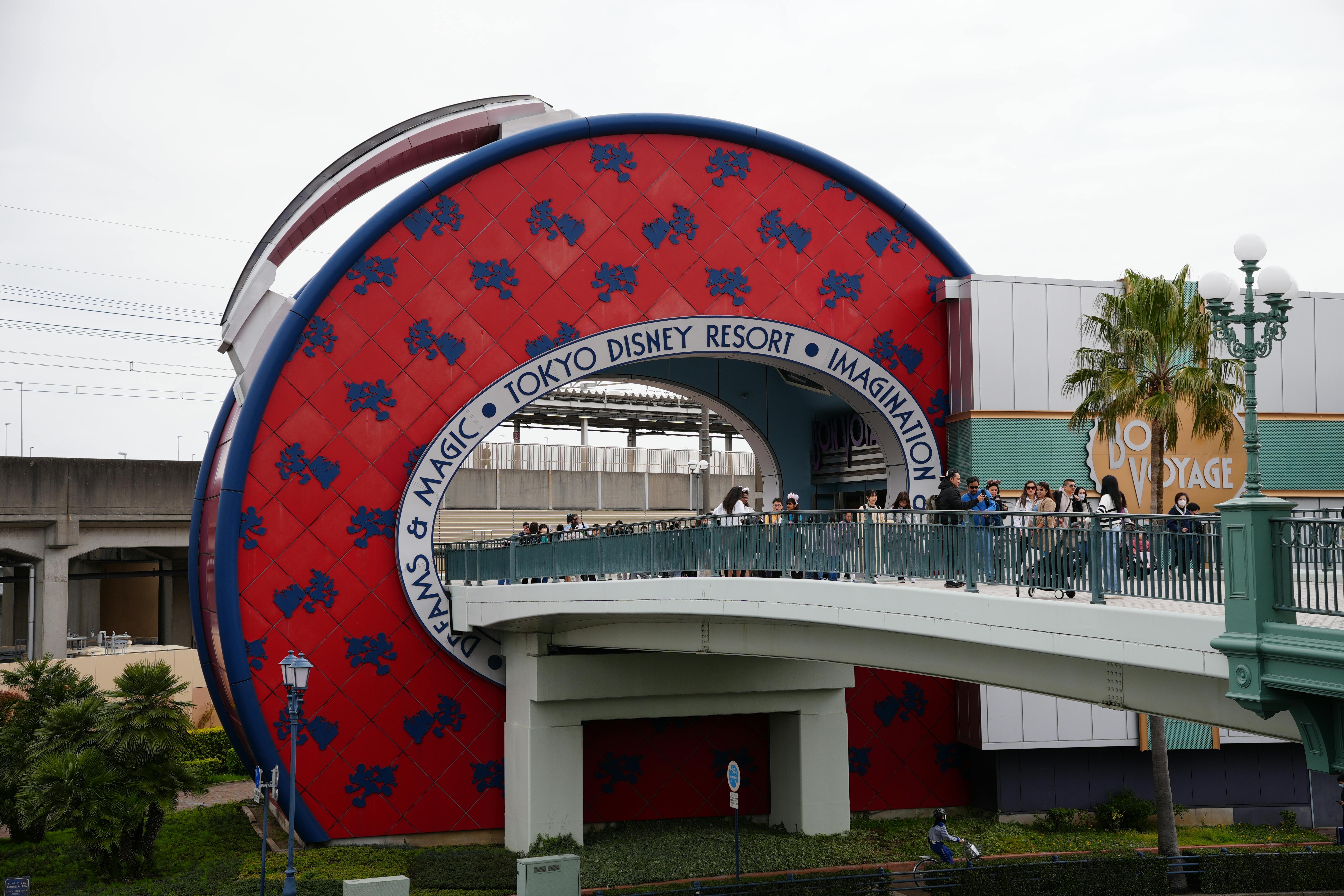
Disney is uniquely positioned for this model because its characters are so visually distinctive. As Enders Analysis points out, Mickey Mouse or a stormtrooper are 'materially easier to detect' in AI outputs than the more nebulous creative assets of smaller studios. Likeness rights, character design, and visual language become the new licensing frontier — but only for companies with the back catalogue and brand recognition to make detection and enforcement viable.
Smaller studios and independent creators lack this advantage. Their intellectual property is murkier, harder to fingerprint algorithmically, less likely to be worth the overhead of tracking individual uses. This could accelerate consolidation in entertainment, as companies with recognisable IP find new ways to monetise it whilst smaller players watch their creative work get absorbed into training data without compensation.
The broader implications for the entertainment industry are considerable. If Disney — the most aggressive defender of intellectual property in modern corporate history — has concluded that licensing to AI platforms is preferable to fighting them, every other studio will be forced to reassess their own positions. Some will follow Disney's lead. Others, particularly those with less distinctive IP or smaller legal departments, may find themselves simply absorbed into the generative AI training corpus without consent or compensation.
Disney's gamble rests on OpenAI's equity eventually justifying the risks it's taking with brand control. But the company is clearly hedging, keeping the partnership short-term and narrowly defined. Whether this becomes the template for how entertainment IP gets monetised in the AI era, or a cautionary tale about surrendering control too readily, won't be clear until that three-year term expires and Disney decides whether to renew, expand, or walk away entirely.
The Wall Street Journal's reporting on how Disney shifted from AI skepticism to partnership reveals the dramatic strategic pivot that brought this deal to fruition, whilst concerns about whether the deal effectively sanctions the alleged theft of creative work have been raised by the Writers Guild of America. TechRadar explores what this partnership means for everyday users and why the tightly controlled future of fan creativity should raise concerns.
- Disney's pivot signals that even the most powerful IP owners cannot litigate away the generative AI revolution — adaptation is now the only viable strategy
- The absence of standardised royalty mechanisms for AI-generated content means major studios are experimenting with compensation models whilst smaller creators risk being absorbed without payment
- Watch whether Disney renews this partnership in three years — that decision will reveal whether equity stakes can genuinely compensate for surrendered brand control, and will likely set the template for the entire entertainment industry

Co-Founder
Multi-award winning serial entrepreneur and founder/CEO of Venntro Media Group, the company behind White Label Dating. Founded his first agency while at university in 1997. Awards include Ernst & Young Entrepreneur of the Year (2013) and IoD Young Director of the Year (2014). Co-founder of Business Fortitude.
Comments
💬 What are your thoughts on this story? Join the conversation below.
to join the conversation.