Trump's Section 301 Probe: A Strategic Tariff Playbook Reboot
- The US Trade Representative has launched Section 301 investigations into 19 countries including China, the EU, India, and Japan following the Supreme Court's rejection of Trump's previous tariff authority
- These countries account for approximately 55% of US goods imports in 2024, with investigations unusually compressed to conclude before temporary tariffs expire in July
- Canada and the UK are notably absent from the investigation list, suggesting strategic calculation rather than comprehensive policy review
- The probe uses the same legal mechanism that launched the 2018 US-China trade war, providing both offensive leverage and defensive political cover
The Trump administration has found its workaround. Just weeks after the Supreme Court delivered a stinging rebuke to the president's tariff authority, the US Trade Representative has opened a sprawling investigation into 19 countries that could justify reimposing trade levies by summer. The mechanism is Section 301, the same legal provision that launched the original US-China trade war in 2018, and the timing is anything but coincidental.
US Trade Representative Jamieson Greer announced on Wednesday that the probe would examine alleged unfair trade practices across nearly two dozen trading partners, with conclusions targeted before the temporary tariffs imposed in late February expire in July. That's an unusually compressed timeline for Section 301 investigations, which historically have stretched across months or even years. The urgency reveals the dual purpose at work here: this is both a legitimate legal process and a negotiating cudgel, wielded in plain sight.
What makes the investigation particularly revealing is who's been left out. Canada, the second-largest US trading partner by volume, doesn't appear on the list. Neither does the UK. The omissions suggest strategic calculation rather than comprehensive policy review—a pattern of rewarding compliance or ongoing cooperation whilst applying pressure elsewhere.
Enjoying this article?
Get stories like this in your inbox every week.
The judicial defeat that changed everything
The Supreme Court's ruling last month represented a rare judicial constraint on presidential trade authority. The justices found that Trump's April tariffs, imposed on dozens of countries, lacked proper legal foundation. Trump's response was immediate and characteristically blunt, calling the decision 'terrible' and the justices who ruled against him 'fools'.
Within 24 hours, he'd announced a new global 10% tariff, though not before briefly floating 15% and creating confusion about which rate would actually apply. That legal defeat created a problem for an administration that had made tariff threats central to its foreign policy toolkit. The Supreme Court hadn't ruled that presidential tariff authority doesn't exist—it ruled that Trump hadn't followed the proper procedures to justify his previous levies.
The solution becomes procedural: launch formal investigations under established trade law, document alleged violations, and build an administrative record that can withstand judicial scrutiny.
Section 301 provides exactly that framework. The statute grants the USTR authority to investigate foreign trade practices deemed 'unfair' and recommend appropriate responses, including tariffs. The language is deliberately broad, giving investigators wide discretion to interpret what constitutes unfairness. Previous Section 301 cases have covered everything from intellectual property theft to currency manipulation to discriminatory regulatory standards.
Pressure before Paris
The timing intersects tellingly with the diplomatic calendar. Senior US officials are scheduled to meet Chinese counterparts in Paris this weekend, discussions intended to prepare for Trump's planned summit with President Xi Jinping in Beijing at the end of March. Opening a formal investigation days before those talks isn't subtle diplomacy—it's leverage applied in real time.
For businesses operating across US-EU or US-Asia supply chains, the uncertainty compounds existing planning challenges. The temporary 10% tariff remains in effect, with administration officials repeatedly suggesting it will rise to 15%, though no firm implementation date has been announced. Adding a parallel investigation that could produce country-specific tariffs by July creates multiple scenarios to model, none of them particularly comforting for procurement or logistics teams trying to project costs through the year.
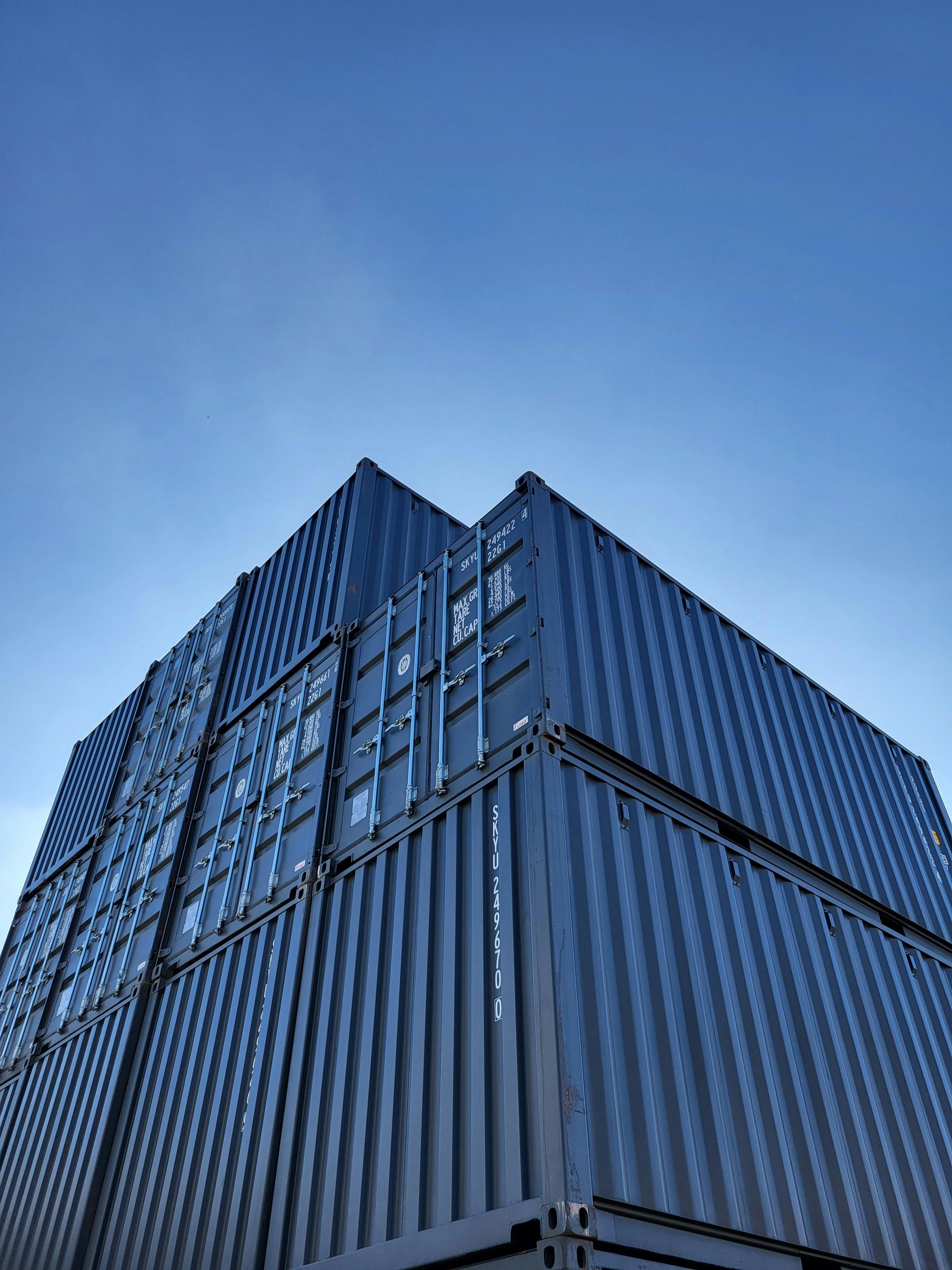
The countries under investigation represent a substantial share of US trade flows. According to Commerce Department data, China, the EU, Mexico, Japan, South Korea, and India alone accounted for roughly 55% of US goods imports in 2024. Vietnam, Thailand, and Malaysia have become increasingly important as manufacturers have shifted production out of China over the past five years, making their inclusion particularly pointed.
The investigation serves both offensive and defensive purposes—restoring the tariff threat that the Supreme Court temporarily neutralised whilst providing political cover for following proper legal procedures.
What's interesting here is how the investigation serves both offensive and defensive purposes. Offensively, it restores the tariff threat that the Supreme Court temporarily neutralised. Defensively, it provides political cover—the administration can claim it's following proper legal procedures rather than imposing tariffs by executive fiat. Whether that distinction will satisfy the courts if these new tariffs are challenged remains an open question, but it demonstrates learning from the April defeat.
The summer deadline question
Greer's stated intention to conclude investigations before July creates immediate pressure on all parties. Countries facing potential tariffs have limited time to negotiate, document their trade practices, or offer concessions that might remove them from the probe. That compressed timeline also raises questions about investigative thoroughness—Section 301 cases typically involve detailed industry analysis, stakeholder consultations, and bureaucratic review processes that don't easily compress into three months.
For European businesses, the investigation arrives as the EU is simultaneously managing its own economic vulnerabilities and attempting to maintain a coherent trade stance towards the US. The inclusion of Switzerland and Norway—neither EU members but both significant trading partners—suggests the probe isn't simply about the Brussels relationship.
The summer expiry of temporary tariffs creates a natural inflection point. Either the investigations produce findings that justify new targeted levies, negotiations produce agreements that allow tariffs to lapse, or the temporary measures get extended pending investigation conclusions. What's virtually certain is that the administration won't allow its tariff authority to simply expire without replacement leverage in place. The investigation ensures that options remain available, whatever the diplomatic outcomes prove to be.
- The compressed July deadline signals that these investigations are designed as much for negotiating leverage as for legal compliance—watch for bilateral deals that remove countries from the probe in exchange for specific concessions
- Businesses should model multiple tariff scenarios through year-end, including country-specific levies, extended temporary tariffs, and potential judicial challenges that could create further uncertainty
- The strategic omission of Canada and the UK from the investigation list reveals that exemptions are achievable—expect other trading partners to pursue similar exclusions through diplomatic channels before summer

Co-Founder
Multi-award winning serial entrepreneur and founder/CEO of Venntro Media Group, the company behind White Label Dating. Founded his first agency while at university in 1997. Awards include Ernst & Young Entrepreneur of the Year (2013) and IoD Young Director of the Year (2014). Co-founder of Business Fortitude.
Comments
💬 What are your thoughts on this story? Join the conversation below.
to join the conversation.