Samsung's AI Strategy: A Necessity or a Liability in the Smartphone Race?
- Apple shipped approximately 243 million iPhones in 2024 compared to Samsung's 235 million units, ending 14 years of Samsung dominance
- Apple's market share reached 19.4 per cent against Samsung's 18.7 per cent in 2024
- Samsung now integrates multiple AI platforms including Google's Gemini and Perplexity AI across its device range
- The smartphone battleground has shifted from hardware specifications to AI capability as the primary competitive differentiator
Apple has overtaken Samsung in global smartphone shipments for the first time in 14 years, and Samsung's response reveals just how thoroughly artificial intelligence has rewritten the rules of mobile competition. The Korean manufacturer's head of consumer devices is now openly courting partnerships with OpenAI and other AI firms, framing what looks suspiciously like strategic necessity as consumer choice. This reversal marks a genuine inflection point in a market where leadership shifts are rare and symbolically significant.

TM Roh, who runs Samsung's mobile division, told the Financial Times the company remains "open to strategic co-operation" with AI firms including OpenAI. Samsung recently added Perplexity AI's voice assistant to its new S26 range and already integrates Google's Gemini across its devices, including features that let users book taxis hands-free. The pitch is simple: consumers want multiple AI tools, not a single locked-in platform.
The multi-platform gamble
What's interesting here is whether Samsung's embrace of multiple AI partners represents genuine strategic positioning or a polite acknowledgement that it lacks a dominant proprietary assistant. Apple has Siri, however derided. Google has Assistant. Samsung has... partnerships.
Enjoying this article?
Get stories like this in your inbox every week.
If Samsung truly led on AI capability, why did consumers choose iPhones?
Roh insists Samsung entered AI preparation "earlier than others" and has "taken and maintained leadership in mobile AI." That claim sits awkwardly alongside losing market share to a competitor whose AI rollout has been notably sluggish. Apple Intelligence, announced with considerable fanfare in 2024, still hasn't reached many of the features Apple promised.
The answer likely involves ecosystem lock-in, brand loyalty, and the reality that most smartphone buyers aren't yet making purchasing decisions based on which large language model powers their voice assistant. Samsung's AI advantage, such as it exists, hasn't yet translated into the kind of sticky user experience that keeps customers upgrading within the same brand family.

Hardware wars give way to software intelligence
The shift from hardware specifications to AI capability as the primary battlefield represents a fundamental change in smartphone competition. For years, manufacturers competed on camera megapixels, screen refresh rates, and processor benchmarks. Those specs still matter, but they've largely reached parity among flagship devices.
AI features offer something different: the promise of usefulness rather than raw performance. A phone that can summarise your emails, generate images, or handle complex queries through natural conversation potentially delivers more daily value than marginal improvements in chip speed. Samsung clearly understands this, hence the scramble to integrate multiple AI platforms before Apple's ecosystem advantage becomes insurmountable.
Apple has also struck deals to incorporate Google's Gemini and entered discussions with OpenAI about enhancing Siri with ChatGPT functionality. But Apple's approach remains more controlled, more tightly integrated with its existing ecosystem. Samsung's multi-partner strategy offers breadth where Apple provides depth.
Does choice equal value, or does it create friction and confusion?
The question is which model consumers actually prefer. Samsung is betting that power users want access to different AI tools for different tasks. Apple's wager is that most people want one assistant that works reliably across all their devices without thinking about which AI model they're actually using.
What happens when AI becomes table stakes
Samsung's pursuit of OpenAI and other partnerships signals how quickly AI has moved from experimental feature to competitive necessity. The company cannot afford to cede this territory the way it's now ceded shipment volumes.
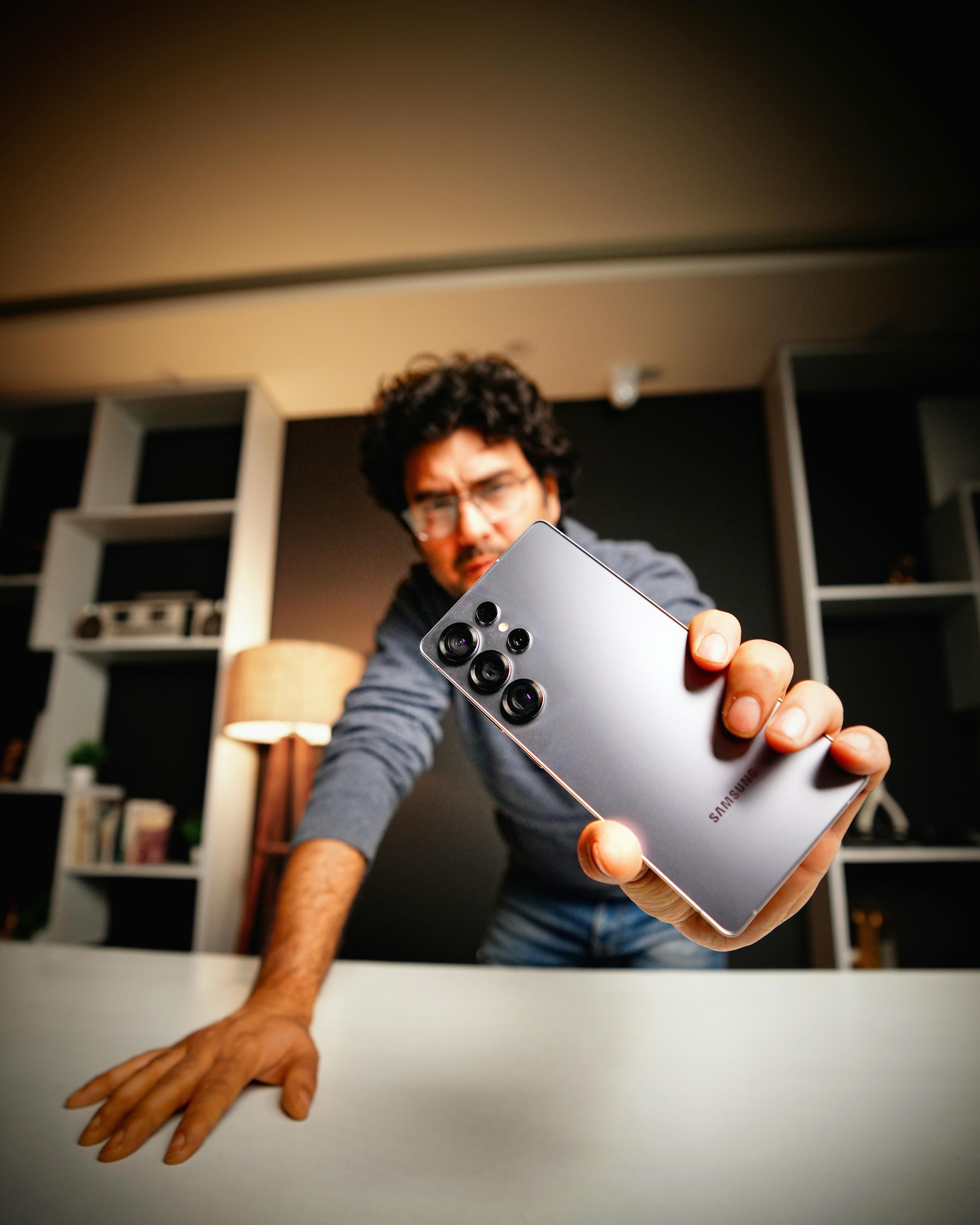
The risk for Samsung is that its multi-platform approach becomes a liability if one dominant AI model emerges that consumers clearly prefer. Offering choice only works if consumers genuinely value that choice over seamless integration. If most users settle on ChatGPT or Gemini or whatever comes next, being the Swiss Army knife of AI platforms may matter less than being the best implementation of the platform people actually want.
For Apple, the challenge is execution speed. The company's methodical approach to new features has served it well historically, but AI is moving faster than Apple's typical development cycles. Every quarter Samsung ships devices with more AI capabilities is another quarter Apple risks looking behind the curve, regardless of its actual technical position.
The smartphone market's new front is software, not silicon. Samsung's openness to multiple AI partnerships versus Apple's integrated approach will test two competing theories about what consumers actually want from intelligent devices. One company lost its 14-year lead last year. How both respond to the AI arms race will determine whether that reversal becomes permanent.
- The smartphone competitive landscape has fundamentally shifted from hardware specifications to AI integration, with software intelligence now the primary battleground for market dominance
- Samsung's multi-platform AI strategy and Apple's integrated ecosystem approach represent two competing visions—watch which model consumers ultimately reward with loyalty and sustained market share growth
- Execution speed matters: Apple's methodical development cycle risks falling behind the rapid pace of AI advancement, whilst Samsung must prove that choice doesn't become confusing fragmentation

Co-Founder
Multi-award winning serial entrepreneur and founder/CEO of Venntro Media Group, the company behind White Label Dating. Founded his first agency while at university in 1997. Awards include Ernst & Young Entrepreneur of the Year (2013) and IoD Young Director of the Year (2014). Co-founder of Business Fortitude.
Comments
💬 What are your thoughts on this story? Join the conversation below.
to join the conversation.