Microsoft's Project Helix: New Hardware Won't Solve Xbox's Identity Crisis
- Microsoft has spent £56bn acquiring gaming studios, yet emerged as the largest third-party publisher on PlayStation and Nintendo consoles in 2025
- Xbox hardware revenue plummeted 32% in the most recent earnings report, whilst overall gaming revenue fell 9%
- Project Helix, a hybrid Xbox-PC machine, promises to "lead in performance" but lacks specifications, pricing, or release date
- Microsoft doesn't publicly disclose Game Pass subscriber numbers or unit economics, making profitability assessment impossible
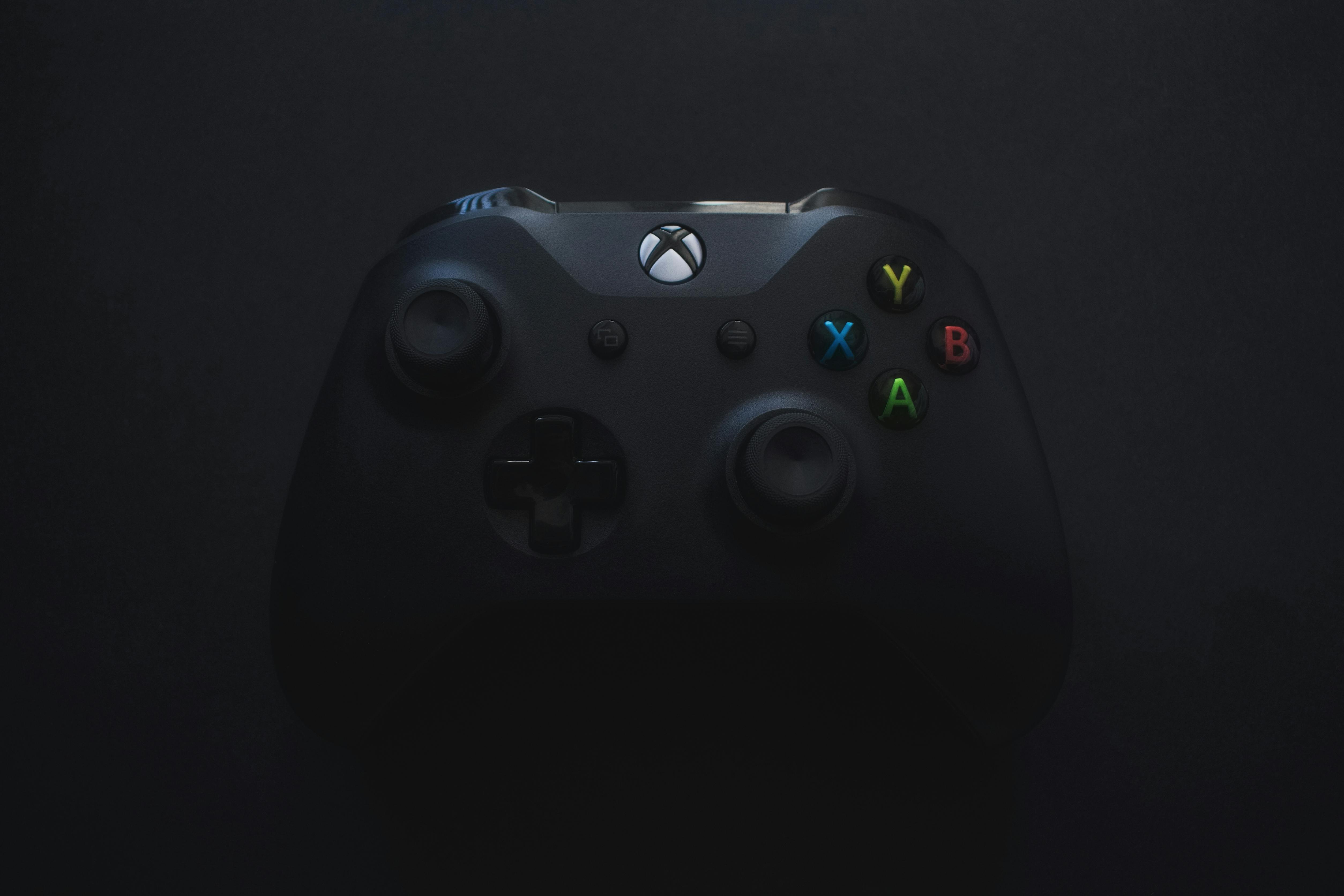
Microsoft's gaming division has spent £56bn acquiring some of the industry's most celebrated studios, only to find itself hawking their games on rival platforms whilst its own console sales crater. The latest remedy? A hybrid Xbox-PC machine code-named Project Helix, which the company promises will "lead in performance" whilst playing titles from both ecosystems. The announcement, delivered by new gaming chief Asha Sharma, offers precious few specifics beyond marketing language.
No specifications, no pricing, no release date, not even a glimpse of what the device might look like. What Microsoft did provide was rhetoric about "the return of Xbox" as a brand—a curious framing for a platform that never disappeared but has certainly struggled to articulate what it actually stands for.
The fundamental tension here isn't about hardware capability. Microsoft knows how to build powerful machines. The question is whether premium silicon can paper over strategic incoherence that's plagued Xbox for years.
Enjoying this article?
Get stories like this in your inbox every week.
When your best customers are on other platforms
The contradictions in Xbox's positioning have become impossible to ignore. According to Microsoft's own figures, the company emerged as the largest third-party publisher on both PlayStation and Nintendo consoles in 2025. That's a remarkable achievement for a business theoretically built on the console model, where exclusive titles drive hardware sales which in turn generate high-margin software revenue and platform fees.
The £56bn Activision Blizzard acquisition in 2023 was supposed to cement Xbox's position. Instead, it's accelerated Microsoft's transformation into something closer to a traditional publisher than a platform holder. Minecraft, Call of Duty, and formerly exclusive franchises now generate more revenue on competitors' hardware than they do in the Xbox ecosystem.
Xbox's own hardware revenue plummeted 32% in the most recent earnings report, whilst overall gaming revenue fell 9%
Microsoft attributed this to a lighter release schedule, which might explain a single quarter but doesn't address the broader trajectory.
The Game Pass gamble
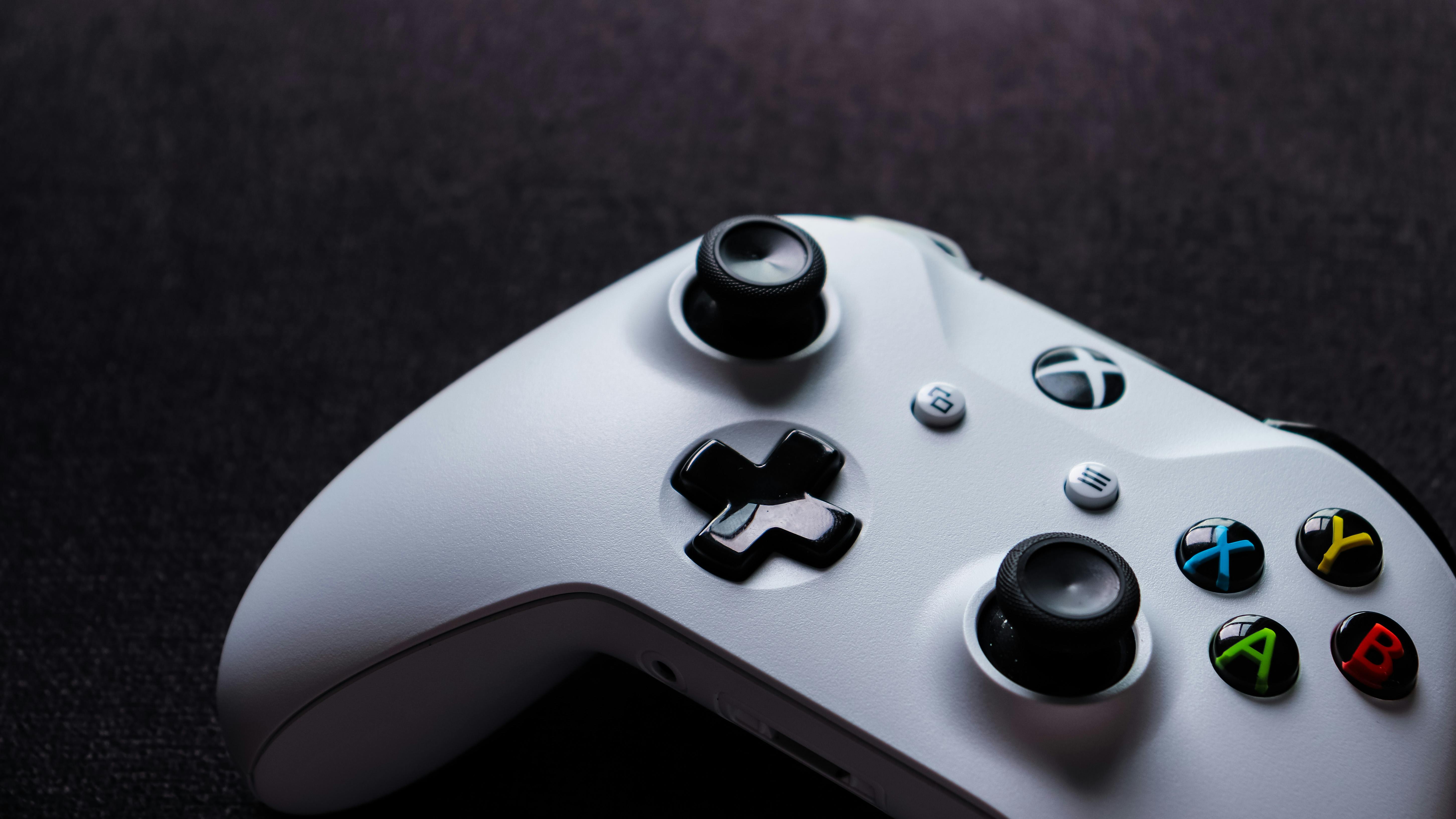
Lurking beneath the hardware conversation is the uncomfortable reality of Game Pass economics. Launched in 2017 and initially celebrated as "the best deal in gaming," the subscription service has become central to Xbox's identity. For a monthly fee, subscribers access a rotating library of titles, including day-one releases of major franchises.
The problem? No one outside Redmond knows whether Game Pass generates sustainable profits at scale. Microsoft doesn't break out subscriber numbers or unit economics in sufficient detail to assess the business case. The company has conducted multiple rounds of layoffs across its gaming division and shuttered well-regarded studios despite—or perhaps because of—its acquisition spree.
What's the point of owning Bethesda, Playground Games, and Activision Blizzard if you're still closing studios and cutting staff? The arithmetic suggests either Game Pass isn't delivering the returns Microsoft anticipated, or the company has realised that publishing on rival platforms generates better margins than subsidising a proprietary ecosystem.
Hybrid hardware, hybrid strategy
Project Helix's pitch as a device that plays both Xbox and PC games acknowledges what many players already knew: the distinction between these ecosystems has eroded. Microsoft's "play anywhere" initiative means purchased titles already work across devices. The novelty here is packaging that capability in dedicated hardware rather than requiring users to maintain separate machines.
Valve learned this lesson with its Steam Deck handheld. Last year's Xbox-branded handheld, manufactured by hardware specialist ROG rather than Microsoft itself, tested similar waters. That outsourcing model may well repeat with Project Helix, though Sharma has promised more details at the Game Developers Conference in San Francisco this week.
What hasn't been addressed is pricing in a component market that's seeing sustained increases in RAM and storage costs. Premium performance requires premium components, which means premium pricing at a time when economic pressures have made consumers increasingly selective about hardware purchases.
Industry analyst Mat Piscatella noted on Bluesky that Microsoft has been telegraphing new hardware plans "for months." The observation cuts through the fanfare surrounding Sharma's announcement: this isn't a strategic pivot so much as a continuation of signals Xbox has been sending for some time.
Performance specs won't fix a positioning problem
Sharma's background leading artificial intelligence initiatives at Microsoft before taking the gaming helm last month adds another layer of intrigue. Her predecessor Phil Spencer spent years championing Game Pass and multi-platform availability, only to watch hardware sales collapse. Sharma's stated "renewed commitment to Xbox" with consoles at the centre directly contradicts her simultaneous reaffirmation of the "play anywhere" strategy.
You can't simultaneously position yourself as the premium dedicated gaming device and the platform-agnostic service that works everywhere
Well, you can try, but it requires exceptional execution and messaging discipline—neither of which Xbox has demonstrated recently.
Former Edge magazine editor Nathan Brown described the path forward as a "mystery" and predicted a "messy" year ahead in his Hit Points newsletter. That assessment feels generous. Microsoft faces a business model that's actively undermining its hardware proposition whilst its subscription service's profitability remains opaque and its studio portfolio delivers more headlines about closures than celebrated releases.
The GDC presentation will reveal whether Project Helix represents genuine strategic clarity or simply puts more powerful hardware on a platform that hasn't figured out why dedicated Xbox customers should exist when Microsoft makes more money serving everyone else. Performance benchmarks are meaningless if you're solving the wrong problem.
- Microsoft's core strategic contradiction remains unresolved: the company makes more money as a third-party publisher on rival platforms than selling its own hardware, yet continues investing in premium console development
- Game Pass profitability remains the critical unknown—without transparent economics, it's impossible to assess whether Xbox's subscription-first model justifies studio acquisitions and ongoing losses in hardware sales
- Watch the GDC presentation for pricing signals and component specifications; premium performance in a rising-cost market could price Project Helix out of mainstream adoption, further marginalising Xbox's dedicated hardware base

Co-Founder
Multi-award winning serial entrepreneur and founder/CEO of Venntro Media Group, the company behind White Label Dating. Founded his first agency while at university in 1997. Awards include Ernst & Young Entrepreneur of the Year (2013) and IoD Young Director of the Year (2014). Co-founder of Business Fortitude.
Comments
💬 What are your thoughts on this story? Join the conversation below.
to join the conversation.