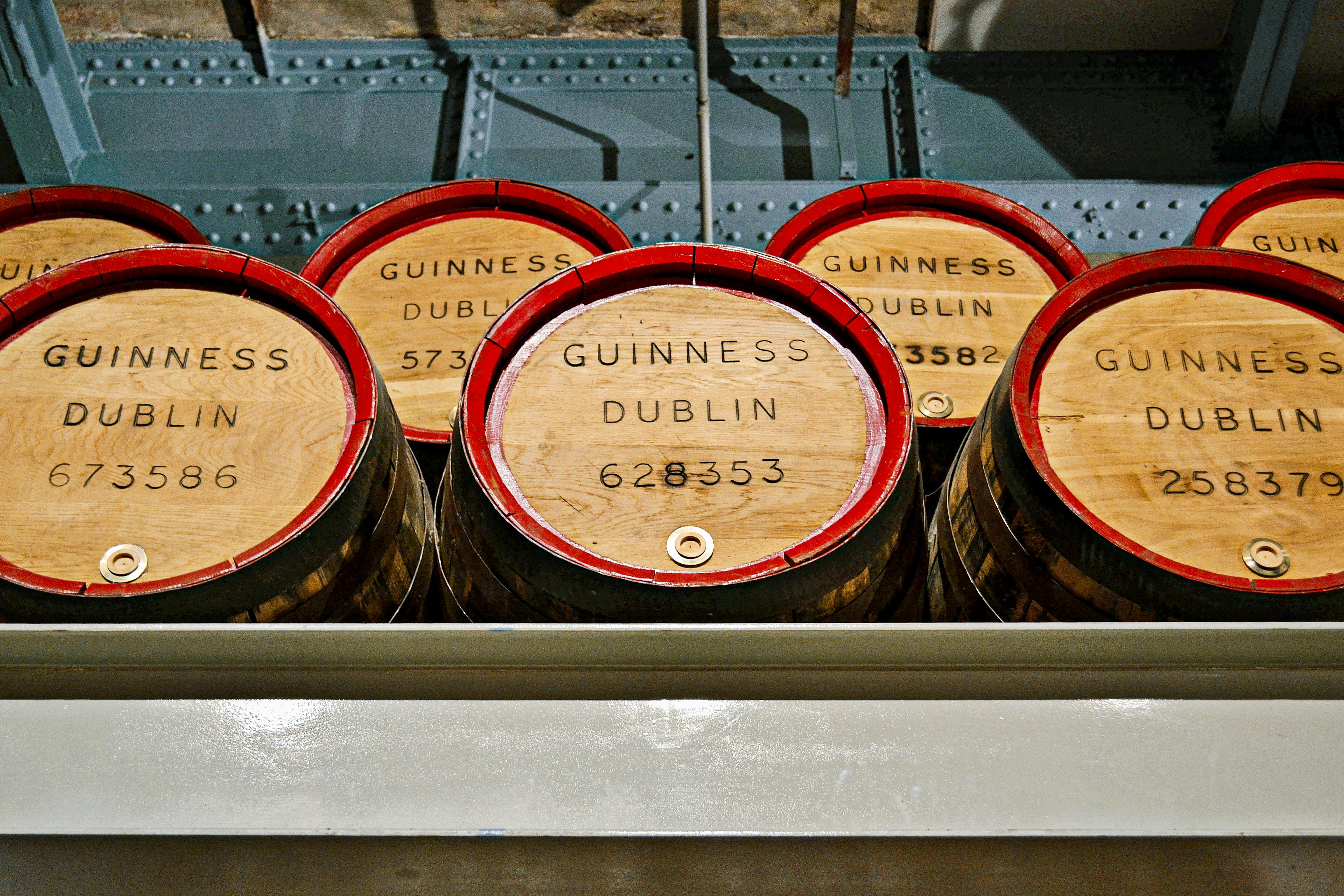
Diageo expected to report 3% sales decline and pre-tax profit down 4% to $2.7bn
Teetotalism among UK 16-24 year-olds reached 26%, nearly double the rate from a decade earlier
Previous CEO Debra Crew's remuneration increased from $3.8m to $4.8m despite profit warnings and departure
Diageo shares recovered 15% year-to-date after falling 15% over the preceding 12 months
Sir Dave Lewis arrives at Diageo with a reputation for surgical precision, having spent six years slashing costs and restoring Tesco to health. When he presents his turnaround strategy alongside full-year results on Wednesday, investors will be watching for signs of the same medicine: operational efficiency, margin discipline, portfolio rationalisation. The problem is that Diageo's ailment may not respond to that treatment.
Business executive reviewing financial strategy documents
The playbook that worked before
Lewis earned the nickname 'Drastic Dave' during his time at Unilever, where aggressive cost-cutting and rationalisation became his calling card. His Tesco tenure cemented the reputation. Between 2014 and 2020, he stabilised a business reeling from an accounting scandal and German expansion disaster.
But here's what often goes unmentioned: Tesco's recovery coincided with improving UK consumer spending and weakened competition from troubled rivals. Lewis deserves credit for executing well, yet the tailwinds mattered. He was fixing operational inefficiency within a fundamentally sound business model.
Enjoying this article?
Get stories like this in your inbox every week.
Whether people still want to spend £40 on a bottle of Johnnie Walker or £30 on premium vodka is a different question entirely.
Diageo's challenge isn't that it's running its distilleries poorly or pricing inefficiently. The challenge is demand-side, not supply-side. Cost-cutting can improve margins in the short term, but it cannot manufacture enthusiasm for spirits among a generation increasingly drawn to low-alcohol alternatives or sobriety as a lifestyle choice.
What went wrong under the previous regime
Lewis inherits a company still nursing wounds from a brief, turbulent leadership period. His predecessor Debra Crew lasted just two years before stepping down with immediate effect in July. She issued a profit warning five months into the role after misreading sales trends in Latin America, forcing a steep downgrade to earnings guidance.
The misstep proved fatal to her tenure, though apparently not to her compensation. Diageo's annual report showed Crew's remuneration increased from $3.8m to $4.8m in her final year despite the struggles. That detail won't have escaped Lewis's notice as he assesses the organisation's accountability culture.
Premium spirits bottles on display in upscale bar
Crew's departure came after Diageo also warned of a $200m hit from US tariffs under President Donald Trump's administration. According to company guidance, that figure represents a meaningful headwind, though in the context of Diageo's roughly $20bn annual revenue base, it's manageable rather than existential.
The generational question no one can answer
What makes Diageo's situation particularly thorny is the uncertainty about whether current trends represent a cyclical downturn or something more permanent. Profit margins have compressed as consumers trade down to cheaper spirit brands and explore lower-alcohol alternatives. Fair enough. Recessions do that.
But mounting evidence suggests younger consumers simply drink differently than previous generations. They drink less frequently, favour experiences over products, and show greater health consciousness. A 2023 study published by the UK's Office for National Statistics found that teetotalism among 16 to 24-year-olds reached 26%, nearly double the rate from a decade earlier. Similar patterns have emerged across North America and Europe.
Whether a spirits conglomerate built on premium pricing and brand heritage can credibly compete in a category defined by health positioning and lower margins is another matter entirely.
Some analysts view the proliferation of low and no-alcohol drinks as an opportunity for Diageo to pivot. The company already owns Guinness 0.0 and could expand its non-alcoholic portfolio. Whether a spirits conglomerate built on premium pricing and brand heritage can credibly compete in a category defined by health positioning and lower margins is another matter entirely.
The share price recovery needs scrutiny
Diageo's shares have recovered 15% year-to-date after falling 15% over the preceding 12 months. Investors greeted Lewis's appointment in November with enthusiasm, sending the stock up 6% in the week following the announcement.
Stock market trading floor with financial displays
That optimism may prove premature. The recent recovery appears to track broader movements in consumer staples rather than Diageo-specific factors. Unloved defensive stocks have bounced across the sector as investors rotate out of stretched technology valuations. Whether Diageo's uptick reflects genuine confidence in Lewis's prospects or simply mean reversion in a beaten-down stock remains unclear.
The FTSE 100 company, whose portfolio includes Smirnoff, Johnnie Walker, and Captain Morgan, faces scrutiny on Wednesday not just over the numbers but over strategic direction. Lewis will need to articulate how he plans to navigate both immediate headwinds and longer-term behavioural shifts.
Operational efficiency can buy time and protect margins. Portfolio pruning can free up capital for growth areas. Pricing discipline can preserve brand equity. These are tools Lewis knows how to use. Whether they're sufficient for the challenge ahead will become clearer as his strategy unfolds, but the drinks industry has never faced a moment quite like this one. Reports suggest Lewis is planning a major executive overhaul as part of his turnaround efforts, but cost-cutting alone won't solve a problem rooted in generational preference.
This article is for informational purposes and does not constitute financial advice.
Cost-cutting expertise that worked at Tesco may not address Diageo's demand-side problem rooted in structural shifts in consumer behaviour
The distinction between cyclical downturn and permanent generational change remains unresolved, making strategic decisions particularly difficult
Watch Wednesday's results for strategic direction beyond operational efficiency—specifically how Lewis plans to address the fundamental question of declining alcohol consumption among younger demographics
Multi-award winning serial entrepreneur and founder/CEO of Venntro Media Group, the company behind White Label Dating. Founded his first agency while at university in 1997. Awards include Ernst & Young Entrepreneur of the Year (2013) and IoD Young Director of the Year (2014). Co-founder of Business Fortitude.