Graham's Family Dairy cottage cheese revenue now exceeds its entire milk business
UK cottage cheese volumes nearly doubled from 900,000kg to 1.7 million kg monthly between early 2023 and December 2024
£3.5 million factory expansion in Fife will increase production capacity by 50% and create 25 new jobs
Tesco reports cottage cheese demand has tripled in two years, driven by TikTok recipe videos with millions of views
Graham's Family Dairy built its reputation on milk. For decades, the Scottish producer operated the way most family dairies do: churning out bottles for doorsteps and supermarket shelves, navigating wafer-thin margins and the perpetual squeeze from retailers. Then, around May 2023, something peculiar happened.
Orders for their cottage cheese started climbing. Within months, the niche product had overtaken their entire milk operation in revenue. The culprit? TikTok.
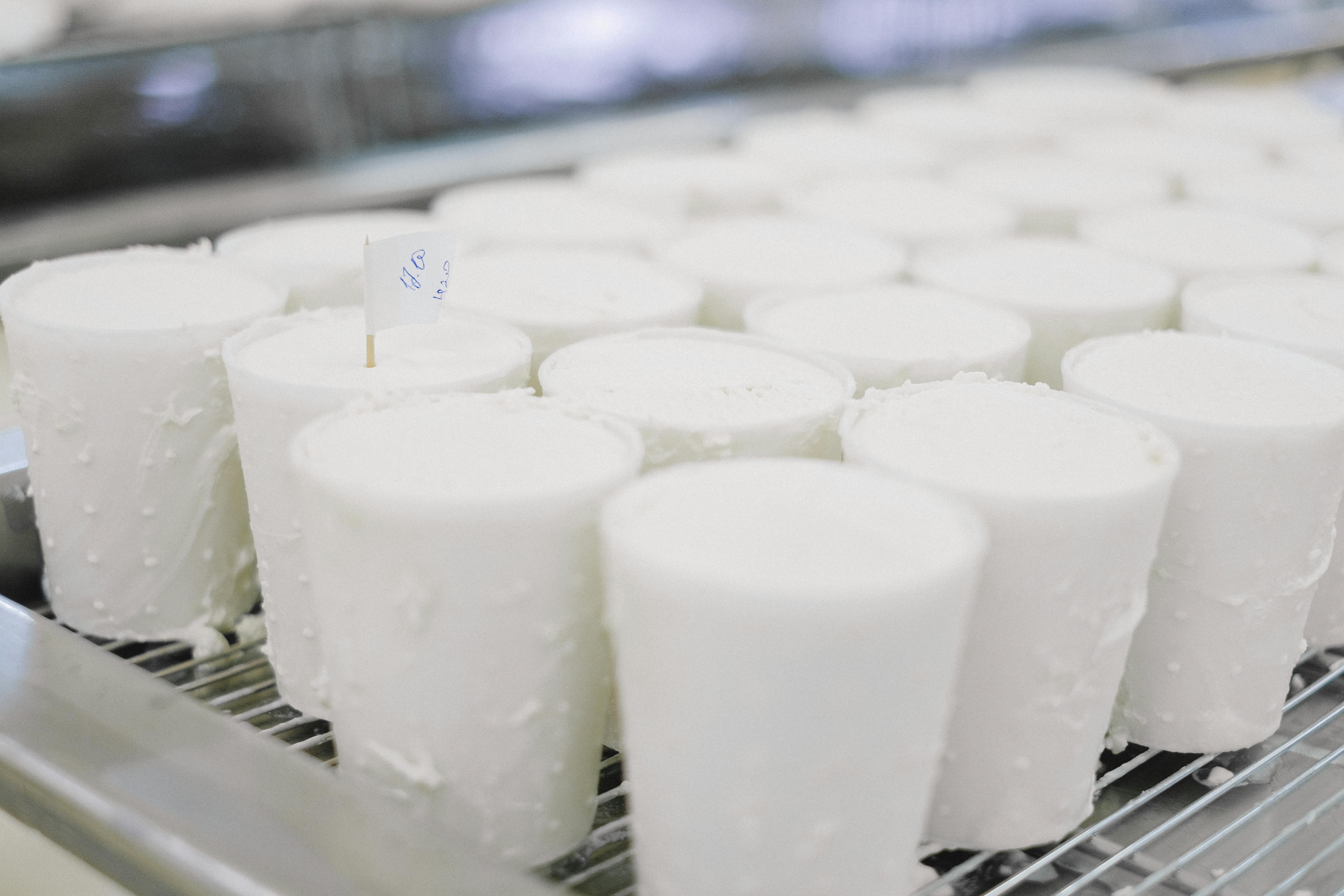
Cottage cheese production in modern dairy facility
A wave of fitness influencers discovered that cottage cheese—long relegated to 1970s diet culture and sad office lunches—could be transformed into cookie dough, breakfast rounds, and protein-packed desserts. The result has been dramatic enough to prompt a £3.5 million expansion at the company's Glenfield site in Fife, with production capacity jumping 50 per cent and 25 new jobs created.
Enjoying this article?
Get stories like this in your inbox every week.
The demand has simply been staggering and our cottage cheese business is now bigger than our milk business
Robert Graham, the company's managing director, told trade press. For a dairy that was "originally built around" milk production, this represents an extraordinary pivot.
When Influencers Meet Infrastructure
The numbers paint a striking picture of social media's reach into traditional manufacturing. According to figures from The Grocer, monthly cottage cheese volumes across the UK nearly doubled from roughly 900,000kg in early 2023 to more than 1.7 million kg by December 2024. Tesco, which has been ordering as much stock as suppliers can provide, reports demand has tripled in two years.
For Graham's specifically, the surge translated to an additional two million kilograms sold. The company now exports to the Gulf States and Hong Kong, markets that weren't on the radar when cottage cheese was primarily filling baked potatoes in Britain.
Social media influencer creating food content on mobile device
What makes this particularly interesting is the specific nature of the trend. These aren't general "eat healthy" videos. Individual recipes have generated millions of views: "cottage cheese breakfast rounds" accumulated 15.1 million views, whilst "cottage cheese edible cookie dough" hit 8.7 million. This level of engagement reflects a fundamental shift in how food products gain traction, bypassing traditional marketing channels entirely.
The question facing Graham's—and any business making capital investments based on social media trends—is whether this represents genuine category expansion or merely a bubble inflated by algorithm-driven virality. TikTok food phenomena typically follow a pattern of explosive growth followed by sharp decline. Italian focaccia bread and burrata saw similar spikes in 2023, according to Tesco's cottage cheese buyer Elizabeth Tomkins, but those proved temporary.
Manufacturing in an Age of Volatility
What distinguishes this investment is its scale and permanence. Graham's isn't simply running extra shifts or tweaking production schedules. The £3.5 million extension represents fixed capital, committed to a product whose demand could theoretically evaporate as quickly as it arrived. The company is betting that Gen Z's enthusiasm for high-protein, versatile dairy products reflects a lasting dietary shift rather than a passing fad.
There's some evidence to support this optimism. Unlike previous cottage cheese booms—which Tomkins notes traditionally occurred in January and summer months, driven by post-Christmas diets and swimsuit season—current demand appears consistent across the calendar. The fact that Graham's cottage cheese business now exceeds its milk revenue suggests structural change rather than seasonal variation.
This is a family business in Scotland creating 25 jobs and expanding production at a time when most food manufacturers are fighting for survival
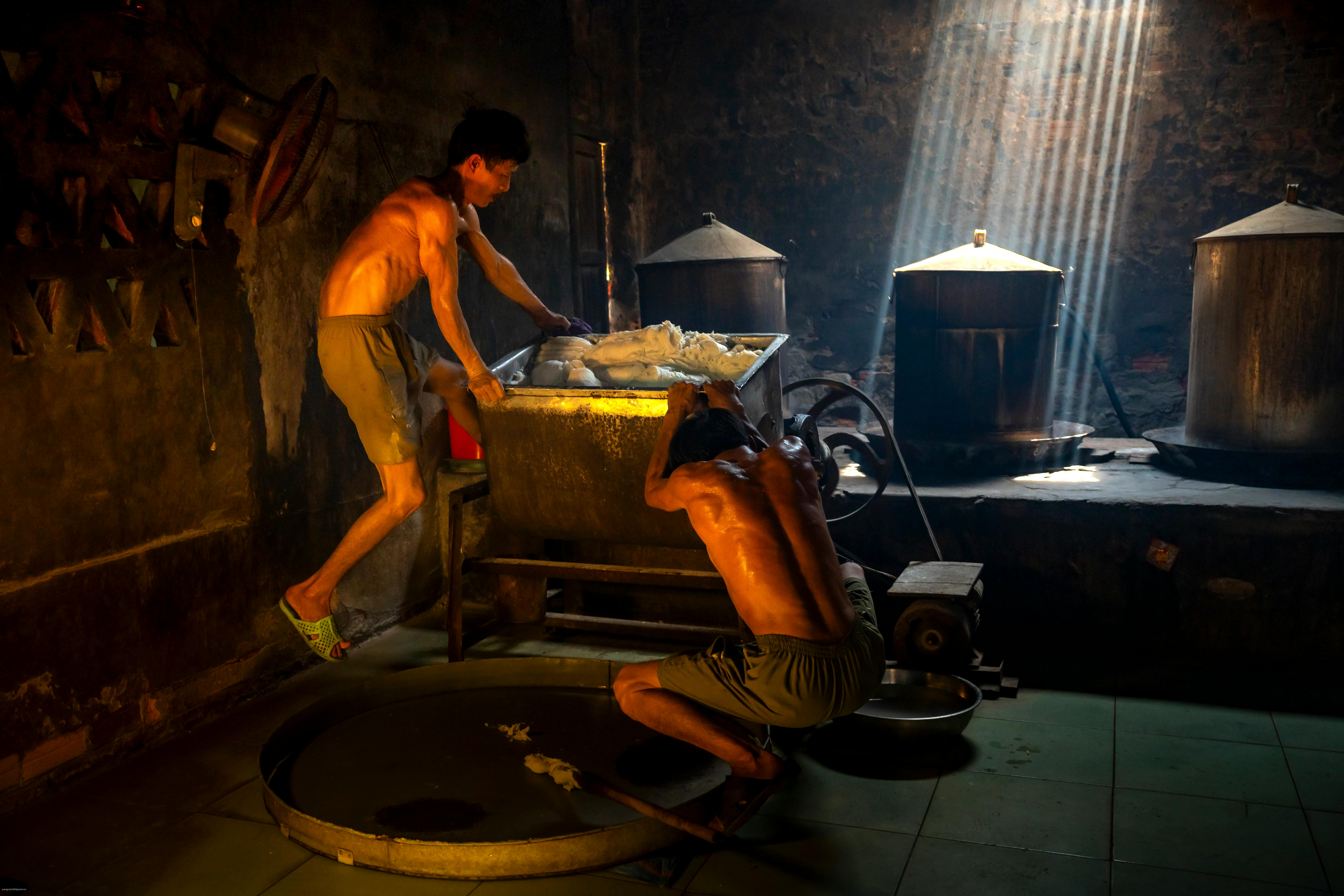
The company maintains it hasn't compromised on production methods to meet demand, continuing to use a traditional open-vat process that produces a firmer curd. This positions the product as authentically "craft" in an era when consumers—particularly younger ones—claim to value manufacturing provenance. Whether they actually do, consistently enough to justify factory extensions, is another matter.
British Manufacturing's Rare Bright Spot
This expansion arrives at a moment when positive news from UK food manufacturing is scarce. Dairy producers face persistent pressure from supermarket buyers on pricing, whilst input costs for feed, energy, and labour continue climbing. The sector has seen consolidation and closures far more frequently than capacity additions.
Modern food manufacturing facility with workers on production line
That context makes Graham's investment noteworthy beyond the TikTok novelty angle. This is a family business in Scotland creating 25 jobs and expanding production at a time when most food manufacturers are fighting for survival. The cottage cheese boom may prove temporary, but the capital investment and employment are real.
What remains unclear is whether cottage cheese growth represents genuine category expansion or cannibalisation of other dairy proteins. If consumers are swapping yoghurt or cream cheese for cottage cheese, the net benefit to UK dairy is minimal—it's simply reshuffling market share. If Gen Z is genuinely eating more dairy protein overall, driven by fitness culture and macro tracking, then the trend has more durable foundations.
Graham's is clearly betting on the latter. By December, the expanded facility should be operating at full capacity, producing cottage cheese for a generation that never experienced its first cultural moment. Whether they'll still be making "edible cookie dough" videos in 2027 will determine if a £3.5 million punt on social media-driven demand looks prescient or foolish.
This article is for informational purposes and does not constitute financial advice.
The durability of TikTok-driven food trends remains untested at this scale—watch whether demand maintains consistency through 2025 and beyond, or follows the boom-bust pattern of previous viral foods
This represents a test case for whether social media can sustainably reshape traditional manufacturing investment decisions, with implications for how food producers respond to digital trends
The critical metric is whether Gen Z's cottage cheese consumption reflects genuine category expansion in high-protein dairy, or simply cannibalisation of yoghurt and cream cheese sales
Multi-award winning serial entrepreneur and founder/CEO of Venntro Media Group, the company behind White Label Dating. Founded his first agency while at university in 1997. Awards include Ernst & Young Entrepreneur of the Year (2013) and IoD Young Director of the Year (2014). Co-founder of Business Fortitude.