UK manufacturing output fell 14 per cent in the three months to February according to CBI survey of over 300 major manufacturers
13 of 17 manufacturing subsectors reported falling output, with firms anticipating similar declines next quarter
Britain's industrial electricity prices rank among the highest in developed nations, prompting calls to remove green levies from energy bills
Export orders declined as manufacturers face trade uncertainty driven by Trump tariffs and EU protectionism
Britain's factory floors are falling silent at an alarming rate. A closely watched CBI survey reveals output dropped 14 per cent in the three months to February, with manufacturers anticipating further declines ahead. The figures paint a grim picture of an industry buckling under pressure, grinding through a prolonged contraction that shows no sign of bottoming out.
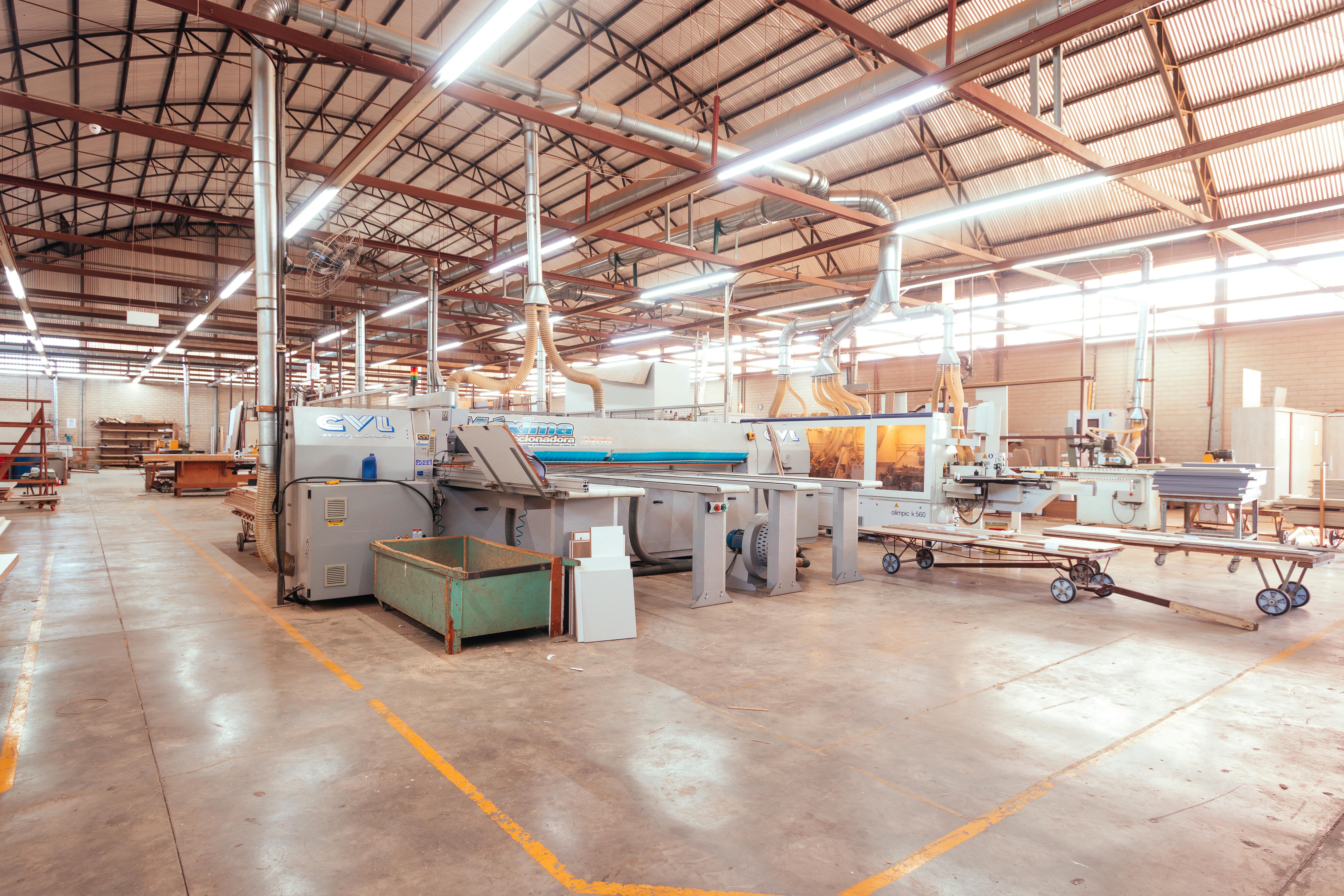
Industrial manufacturing facility with machinery
The energy cost stranglehold
Behind the bleak numbers sits a structural problem that industry leaders say threatens the viability of UK manufacturing. Industrial electricity prices in Britain rank among the highest in developed nations, according to sector representatives who have been calling for immediate intervention. Make UK, the manufacturers' organisation, has demanded the removal of green levies from energy bills across the sector.
When your European and global rivals pay substantially less to power their production lines, every kilowatt-hour becomes a disadvantage that compounds over time.
Cameron Martin, senior economist at the CBI, described how firms continue to see customers holding back amid elevated cost pressures. Export orders declined, though at a slower rate than the previous month's survey suggested. The majority of manufacturers reported total order books sitting below normal levels in February.
Enjoying this article?
Get stories like this in your inbox every week.
The energy burden isn't just squeezing margins. For energy-intensive manufacturers, it fundamentally alters the economics of UK-based production, creating an incentive to shift operations to cheaper jurisdictions or simply scale back domestic capacity.
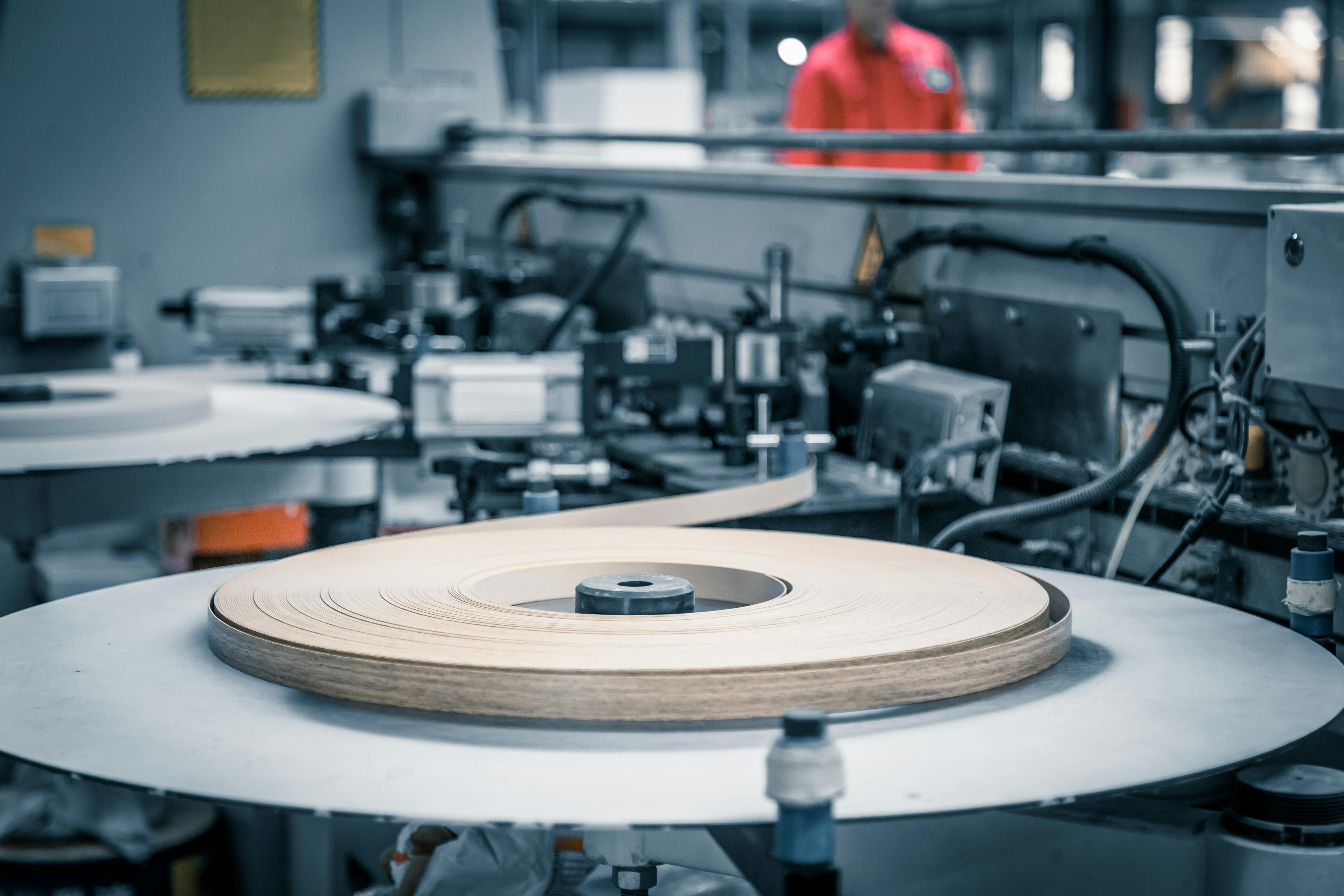
Factory production line with workers
Trade turbulence adds to the pressure
Manufacturing's troubles extend well beyond the electricity meter. Exporters face a trading environment that industry observers describe as highly unpredictable, driven largely by the Trump administration's approach to tariffs and early signals that the European Union intends to adopt more protective trade policies.
Britain's automotive sector, a significant exporter and major manufacturing employer, finds itself particularly exposed. Production decisions that might have seemed straightforward five years ago become vastly more complex when tariff regimes shift with minimal warning and major trading partners signal a retreat from open markets.
The confluence of domestic cost pressures and international trade uncertainty creates a difficult equation for manufacturers trying to plan capital investment or commit to long-term production strategies. When the fundamentals of both your cost base and your export markets remain in flux, the rational response is often to wait.
Spring statement emerges as critical moment
With manufacturers issuing increasingly stark warnings, attention turns to the government's spring statement as a potential inflection point. The CBI's Martin singled out the announcement as a key opportunity for ministers to restore confidence, specifically calling for accelerated delivery of the industrial strategy, action on skills shortages, and crucially, bringing forward support on energy costs.
This isn't a request for subsidies or special treatment, but rather an attempt to level a playing field tilted against UK-based production.
Whether the Treasury proves receptive remains uncertain. The government faces competing pressures on its fiscal position and competing claims on any available support. Manufacturing employs significant numbers but represents a smaller share of UK economic output than services, creating a political calculus that doesn't automatically favour intervention.
Industrial warehouse and logistics operations
What this means for UK industrial policy
The broader question centres on whether Britain's manufacturing contraction represents cyclical weakness that will reverse when conditions improve, or structural decline that demands fundamental policy intervention. The sustained nature of the falls, across multiple quarters and spanning most subsectors, suggests something closer to the latter.
If manufacturers continue contracting through the spring and beyond, the implications extend beyond the sector itself. Manufacturing provides skilled jobs in regions where alternative employment often pays less. Supply chains connect factories to service businesses in logistics, professional services, and business support.
The government's industrial strategy, still in its early stages of implementation, faces an immediate test of relevance. Strategy documents matter far less than tangible support that changes the economics of UK-based production. Manufacturers have identified energy costs as the most urgent pressure point.
The spring statement will demonstrate whether ministers agree that intervention justifies the fiscal cost, or whether the sector faces the prospect of managing through the downturn with limited government support. The next quarter's data will reveal whether February's figures marked a low point or another step in a longer retreat.
The spring statement represents a critical decision point on whether government will intervene on energy costs or leave manufacturers to manage through the downturn alone
Sustained multi-quarter declines across 13 of 17 subsectors suggest structural decline rather than cyclical weakness, requiring fundamental policy intervention
Watch next quarter's data closely to determine whether February marked the bottom or whether UK manufacturing faces continued contraction with wider economic ripple effects
Multi-award winning serial entrepreneur and founder/CEO of Venntro Media Group, the company behind White Label Dating. Founded his first agency while at university in 1997. Awards include Ernst & Young Entrepreneur of the Year (2013) and IoD Young Director of the Year (2014). Co-founder of Business Fortitude.