The US Supreme Court struck down Trump's "Liberation Day" tariffs, ruling they exceeded presidential authority
Indonesia agreed to a 19% tariff rate last week by offering preferential market access; Taiwan negotiated 15% by committing billions in US investment
Trump's replacement 15% tariff relies on Section 122 of the Trade Act, permitting such measures for roughly five months before requiring Congressional approval

What now for Asia after Trump's tariffs struck down?
Enjoying this article?
Get stories like this in your inbox every week.
Singapore saw its negotiated 10% rate jump to 15% under the new announcement, whilst the UK and Australia's 10% agreements now face uncertain value
Hours after the US Supreme Court dismantled his tariff regime on Friday, Donald Trump did what he does best: doubled down. Within the day, he'd imposed a fresh 15% levy on goods entering America, replacing the patchwork of rates that had just been ruled illegal. For Asian governments that spent months negotiating supposedly favourable deals—often pledging billions in US investment to secure them—the message couldn't be clearer: your agreements are worth precisely nothing.
The Supreme Court ruling struck down tariffs Trump announced in 2025 under his so-called "Liberation Day" policy, finding them to exceed presidential authority. US customs confirmed on Monday it would stop collecting those levies. What's interesting here is not just the legal defeat, but what it reveals about the agreements Asian countries thought they'd secured.
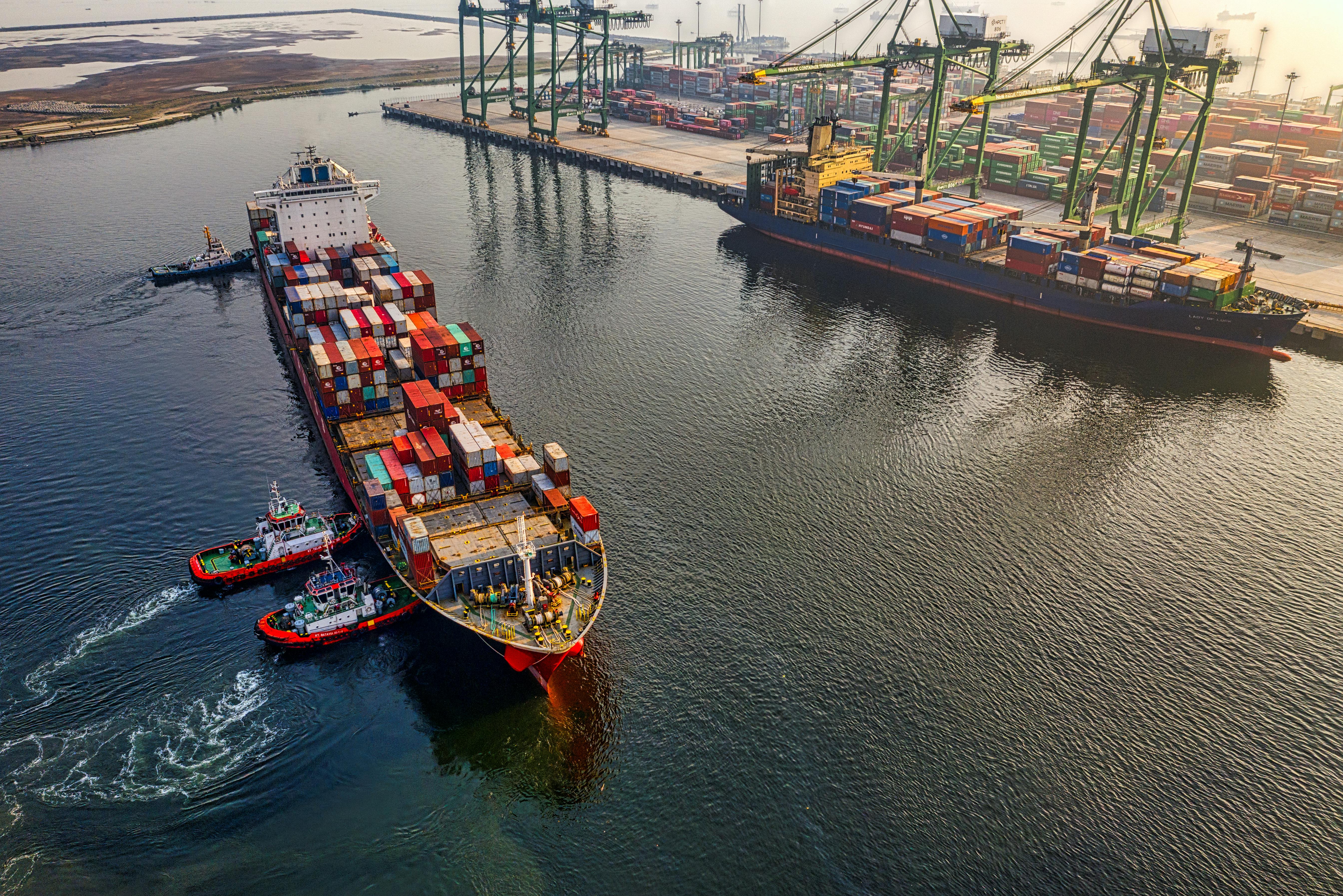
Business negotiations and international trade agreements
Billions spent, nothing gained
Indonesia finalised an agreement just last week to reduce its US tariff rate to 19% from 32%, offering preferential market access in return. Taiwan negotiated down to 15% by committing billions in American investment. Japan accelerated rare earth production deals as part of Washington's strategy to reduce reliance on Chinese critical minerals.
Countries that thought they'd bought certainty with billions of dollars have purchased nothing of the sort.
All of those agreements now exist in a legal grey zone. Adam Samdin from Oxford Economics told the BBC that these deals "do not have the clear, legally binding agreements of traditional pacts, leaving room for further changes." That's diplomatic language for a brutal reality: countries that thought they'd bought certainty with billions of dollars have purchased nothing of the sort.
The new 15% rate might seem like a win for nations previously facing higher levies. But it also means countries that negotiated better terms—such as the UK and Australia, which secured 10% rates—now face questions about whether those agreements hold any value at all. Singapore, which had negotiated a 10% rate, saw its tariff jump to 15% under Trump's new announcement.
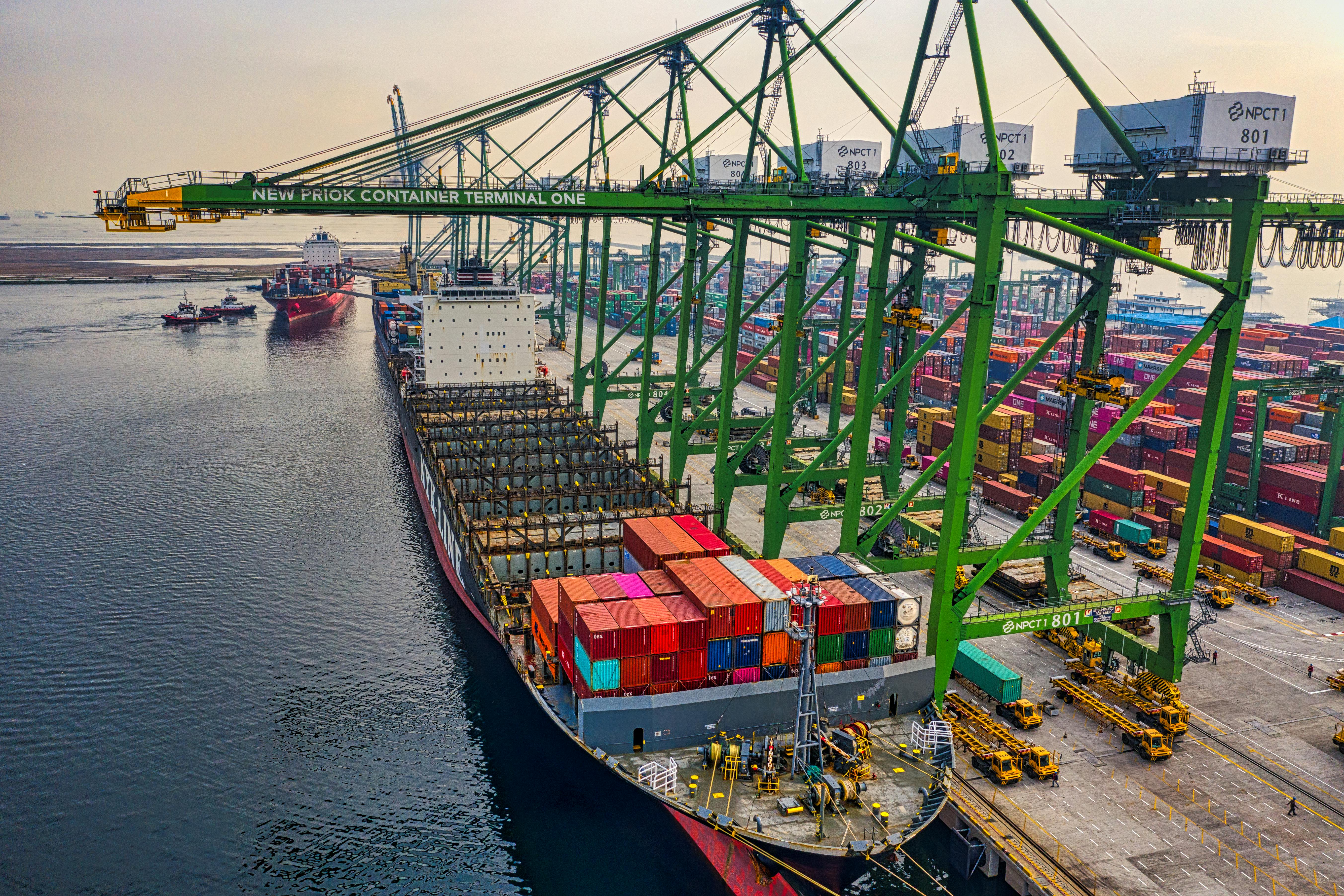
Global trade and tariff policy analysis
The five-month clock
Trump's replacement tariff isn't a permanent solution. It relies on Section 122 of the Trade Act, which permits such measures for roughly five months before requiring Congressional approval. That means this entire circus begins again before summer ends.
China, preparing to host Trump in early April, said it is "conducting a comprehensive assessment" whilst reiterating its opposition to unilateral tariffs. Japan's government promised to "respond appropriately" after examining the ruling. These are the statements of administrations that have learnt not to take anything at face value.
South Korea's Industry Minister Kim Jung-kwan highlighted another practical nightmare: uncertainty over refunds for tariffs already paid under the now-illegal rates. Companies have been remitting duties for months under a system the Supreme Court has invalidated. Will they receive refunds?
The erosion of predictability
US Trade Representative Jamieson Greer insisted in weekend interviews that trading partners haven't indicated plans to withdraw from their agreements. "We're going to stand by them. We expect our partners to stand by them," he told CBS. But standing by an agreement that lacks legal force and can be altered on presidential whim isn't commitment—it's submission.
What Trump has created is a system where deals are provisional, rates are temporary, and legal authority is secondary to executive preference.
The fundamental break here is from rules-based commerce itself. For decades, international trade has operated on the principle that agreements, once signed, create enforceable obligations. Countries might violate those obligations and face dispute settlement procedures, but the framework held.
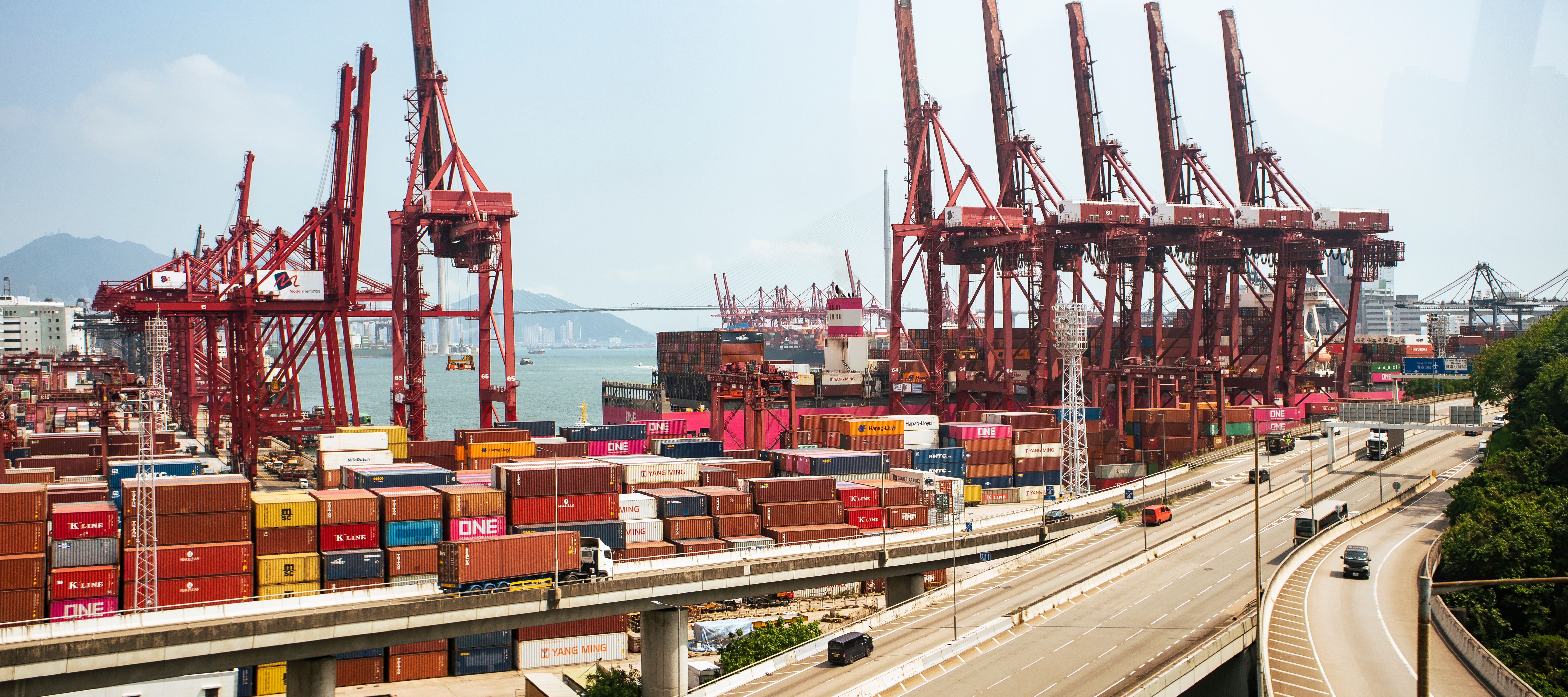
International shipping containers and global commerce
Sandra Alday from the University of Sydney noted that the flat 15% rate will hit exporters of finished products particularly hard, whilst the impact on countries supplying intermediate goods for completion in America remains harder to gauge. But with tariffs applied universally, one certainty emerges: foreign products in the US will cost more.
The irony is that Asian economies built their export-led growth models on the foundation of American reliability. The US championed the rules-based trading order, established the institutions to enforce it, and benefited enormously from the predictability it created. That predictability is now gone.
As Trump prepares to meet Xi Jinping in April, and as the five-month clock on his temporary tariff ticks down, Asian governments face a choice: continue negotiating deals that may prove worthless, or begin building trade infrastructure that doesn't depend on American predictability. Given recent evidence, the Supreme Court ruling has given Beijing increased leverage ahead of the summit. For British firms watching from across the Atlantic, the lesson is stark: plan for instability, because stability is no longer on offer.
The shift from legally binding trade agreements to provisional handshake deals fundamentally undermines the rules-based international commerce system that has underpinned global trade for decades
Asian economies must now decide whether to continue pursuing uncertain agreements with the US or accelerate development of alternative trade infrastructure independent of American predictability
British businesses with Asian supply chains should immediately price in universal tariff exposure and increased costs, as the five-month temporary measure offers no long-term certainty before Congressional approval is required

David Adams
Co-Founder
Former COO at Venntro Media Group with 13+ years scaling SaaS and dating platforms. Now founding partner at Lucennio Consultancy, focused on GTM automation and AI-powered revenue systems. Co-founder of Business Fortitude, dedicated to giving entrepreneurs the news and insight they need.
Comments
💬 What are your thoughts on this story? Join the conversation below.
to join the conversation.