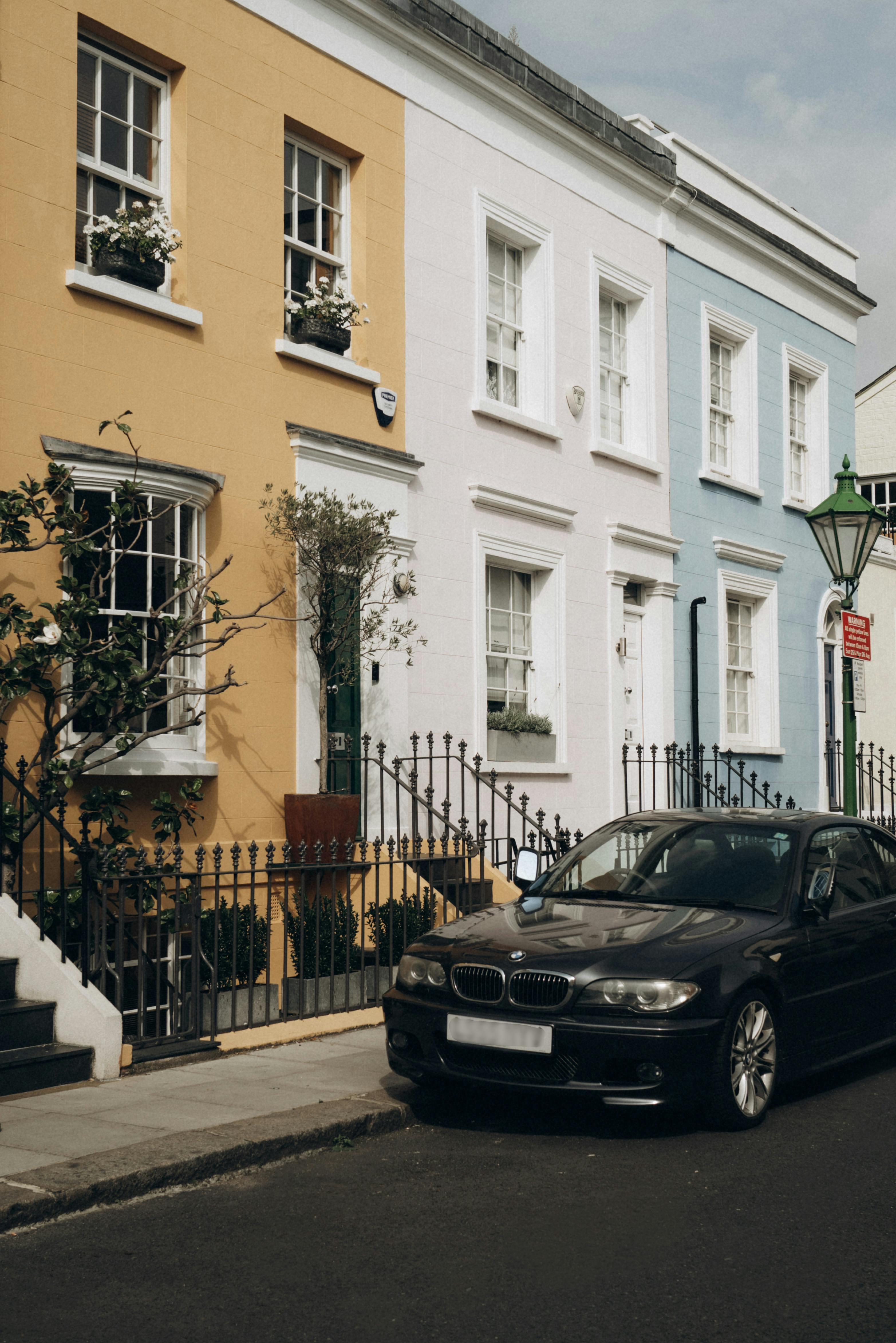
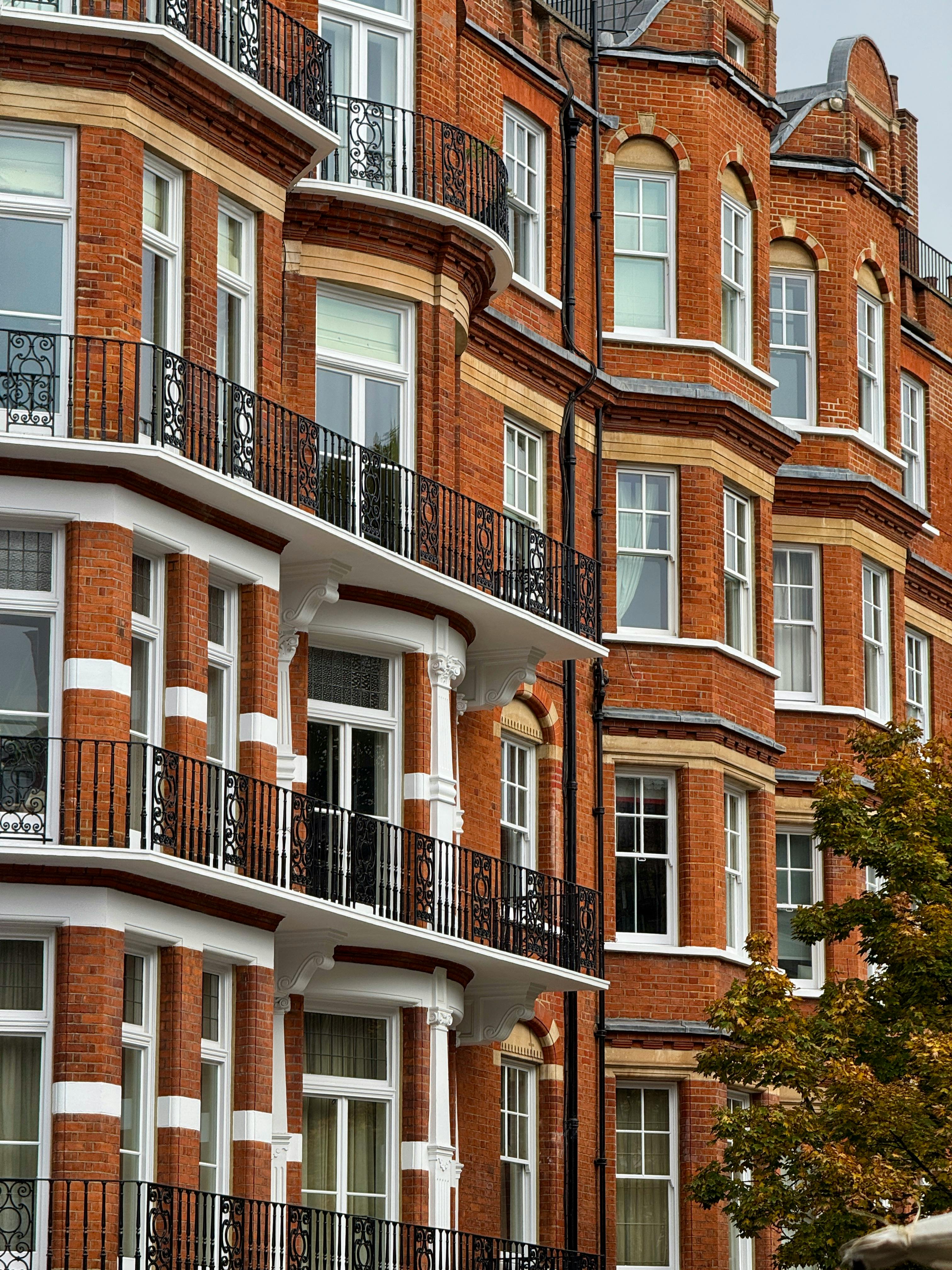
83% of offers on properties around £2m have stayed below that threshold since November's Budget, up from 64% the previous year
The high-value council tax surcharge will impose an annual £2,500 charge on homes valued above £2m from April 2028
Approximately 275,000 homes in England currently sit in or near the affected brackets—145,000 between £1.5m-£2m and 130,000 above £2m
The Valuation Office won't conduct its assessment until later this year, creating a three-year gap between valuation and implementation
A peculiar dance is playing out in the upper reaches of England's property market. Homeowners are voluntarily knocking tens of thousands off their asking prices to avoid a tax that doesn't take effect for another three years. What makes this market behaviour particularly striking is the timing—sellers are already absorbing losses to ensure their homes land on the right side of an arbitrary line that won't be enforced until 2028.
The culprit is the high-value council tax surcharge, a levy announced by Chancellor Rachel Reeves that will impose an annual £2,500 charge on homes valued above £2m from April 2028. Higher bands kick in at £2.5m, £3.5m, and £5m, though the government has yet to confirm the escalating rates for those brackets. Research from estate agents Hamptons reveals that the market is already reshaping itself around this future tax reality.
David Fell, lead analyst at Hamptons, argues the data shows something more calculated than panic selling. 'If owners were primarily trying to offload properties that might incur the new tax liability, we would expect listing numbers just above £2mn to rise,' he told the Financial Times. 'Instead, the decline suggests that some sellers are adjusting asking prices downwards to ensure their properties fall below the threshold where demand now appears strongest.'
Enjoying this article?
Get stories like this in your inbox every week.
This interpretation matters because it points to a structural shift rather than a temporary blip. Those numbers concentrate heavily in London and the South East, where a £2m property might be a four-bedroom semi in Wandsworth rather than anything resembling a mansion. The comparative analysis Hamptons conducted on £1m properties provides the clearest evidence that something specific is happening at the £2m threshold.
Offer behaviour around the £1m mark hasn't budged since the Budget, suggesting this isn't about general market softness but targeted avoidance of a specific tax trigger.
The Valuation Office won't conduct its assessment of which properties fall into these bands until later this year, yet sellers are already absorbing losses to ensure their homes land on the right side of an arbitrary line. That's a three-year gap between valuation and implementation, creating what amounts to an extended game of property limbo.
Modern upscale home interior demonstrating premium property valuation
An artificial ceiling with real consequences
By creating a hard threshold at £2m, the government has effectively installed an artificial price ceiling that could ripple through valuations for years. Sellers with properties genuinely worth £2.1m or £2.2m now face a choice: accept a discounted sale today, or risk being valued above the threshold in the coming months and watch their property become harder to shift once buyers factor in the annual surcharge.
That dynamic doesn't just affect individual transactions. When enough properties in a postcode sell below their natural market value to dodge the tax, those sales become comparable data for future valuations. The result could be systematically depressed prices in specific geographic pockets, particularly in areas where a critical mass of homes cluster just above or below the threshold.
Property experts have characterised the surcharge as an 'assault' on middle-class homeowners, though that language reveals more about the political battle than the economic reality. What's undeniable is that a £2m property in much of London reflects regional price inflation rather than extraordinary wealth. A homeowner who bought in Hackney or Tooting 15 years ago could easily find themselves above the threshold through no active decision of their own.
Unlike stamp duty, which applies once at purchase, this is an annual levy tied to a specific valuation date—homeowners can't simply wait it out or time their sale to minimise the hit.
Once their property is valued above £2m in the coming assessment, they'll face that £2,500 charge every year until they sell or property values shift dramatically. The tax's design creates a peculiar incentive structure that fundamentally alters the calculus of ownership at this price point.
What comes next for the high-value market
The Valuation Office's assessment later this year will determine which properties fall into the surcharge bands, but the current scramble to stay beneath the line suggests many owners won't wait for that official determination. The market is already pricing in assumptions about where valuations will land, creating a self-fulfilling prophecy as discounted sales drag down the comparable data that valuers use.
Estate agent for sale sign outside premium residential property
For buyers, this presents an opportunity window. Sellers motivated to stay below £2m may be willing to accept offers they would have rejected six months ago. But that opportunity comes with risk: purchase a property for £1.95m today, and you might find it valued at £2.05m by the Valuation Office, saddling you with the annual charge despite your carefully negotiated discount.
The broader question is what this means for tax policy design. When a levy creates such obvious distortions three years before implementation, it suggests the thresholds need rethinking. A smoother, progressive structure might have avoided the cliff edge at £2m that's currently warping market behaviour. Instead, the government has created a bright line that rational actors will obviously try to stay beneath, potentially depressing property values in specific segments while leaving others untouched.
This won't be the last time homeowners restructure transactions to minimise tax liability. But watching them do it years in advance, with real money changing hands to dodge a charge that doesn't yet exist, reveals just how powerfully tax policy shapes behaviour even in its anticipation. The phenomenon isn't limited to behaviour changes either—in some affluent areas like Kensington, house prices have already plunged by £236,000 as the mansion tax looms. Meanwhile, there's evidence that banks are down-valuing expensive homes, adding another layer of complexity to an already distorted market.
The £2m threshold is creating a self-fulfilling price ceiling that will likely persist beyond 2028, as discounted sales become the comparable data for future valuations
Buyers have a narrow window to capitalise on motivated sellers, but risk purchasing properties that will be valued above the threshold despite negotiated discounts
Watch for potential policy adjustments before the 2028 implementation—the severity of current market distortions may force the government to reconsider the cliff-edge structure in favour of a more graduated approach
Multi-award winning serial entrepreneur and founder/CEO of Venntro Media Group, the company behind White Label Dating. Founded his first agency while at university in 1997. Awards include Ernst & Young Entrepreneur of the Year (2013) and IoD Young Director of the Year (2014). Co-founder of Business Fortitude.