SSE Airtricity cutting gas prices by 8.1% from 1 April, saving 215,000 households and small businesses approximately £80 annually
Wholesale gas prices peaked in August 2022 at ten times their 2020 averages, now approximately double pre-crisis levels
Typical household gas bills rose from £600 annually in early 2021 to around £1,100 by late 2022
Even after reduction, customers still paying more than 50% above pre-crisis rates despite cooled wholesale markets
SSE Airtricity's decision to cut gas prices by 8.1% from 1 April marks the first significant downward movement in Northern Ireland's domestic energy market since the crisis years of 2022 and 2023. The reduction will save 215,000 households and small businesses roughly £80 annually. What's not being said loudly enough is why those bills were set so high in the first place.
The company attributes the price cut to "the adjustment between forecasted and actual costs" of gas delivery — corporate language that obscures a more uncomfortable question. If the forecasts were significantly higher than actual costs, were customers effectively subsidising an overly cautious pricing model whilst wholesale energy markets were cooling?
Energy bills and household finances
When forecasts miss the mark, customers foot the bill
Energy suppliers operate in a regulated environment where tariffs are set based on projected wholesale costs, network charges, and operational expenses. The gap between SSE Airtricity's forecasted costs and the reality suggests those projections were, at minimum, conservative. At worst, they locked in elevated prices whilst the market was already moving in consumers' favour.
Enjoying this article?
Get stories like this in your inbox every week.
This price reduction is not an act of generosity. The Utility Regulator oversees Northern Ireland's gas tariffs and has indicated it will continue monitoring to ensure cost reductions pass through to end users. The timing of this announcement, coupled with expectations that Firmus Energy will reveal similar cuts within days, points to a coordinated regulatory adjustment rather than competitive market forces at work.
The question business owners and household budgeters will be asking is straightforward: why has the downward adjustment taken so long to materialise in retail tariffs when the upward spike in 2022 appeared on bills with alarming speed?
Raymond Gormley from the Consumer Council described the move as indicating "a gradual downward curve in wholesale energy prices." That curve has been visible to market analysts for months. Wholesale gas prices peaked in August 2022 at levels ten times their 2020 averages but have since retreated substantially, though they remain approximately double pre-crisis levels according to ICE futures data.

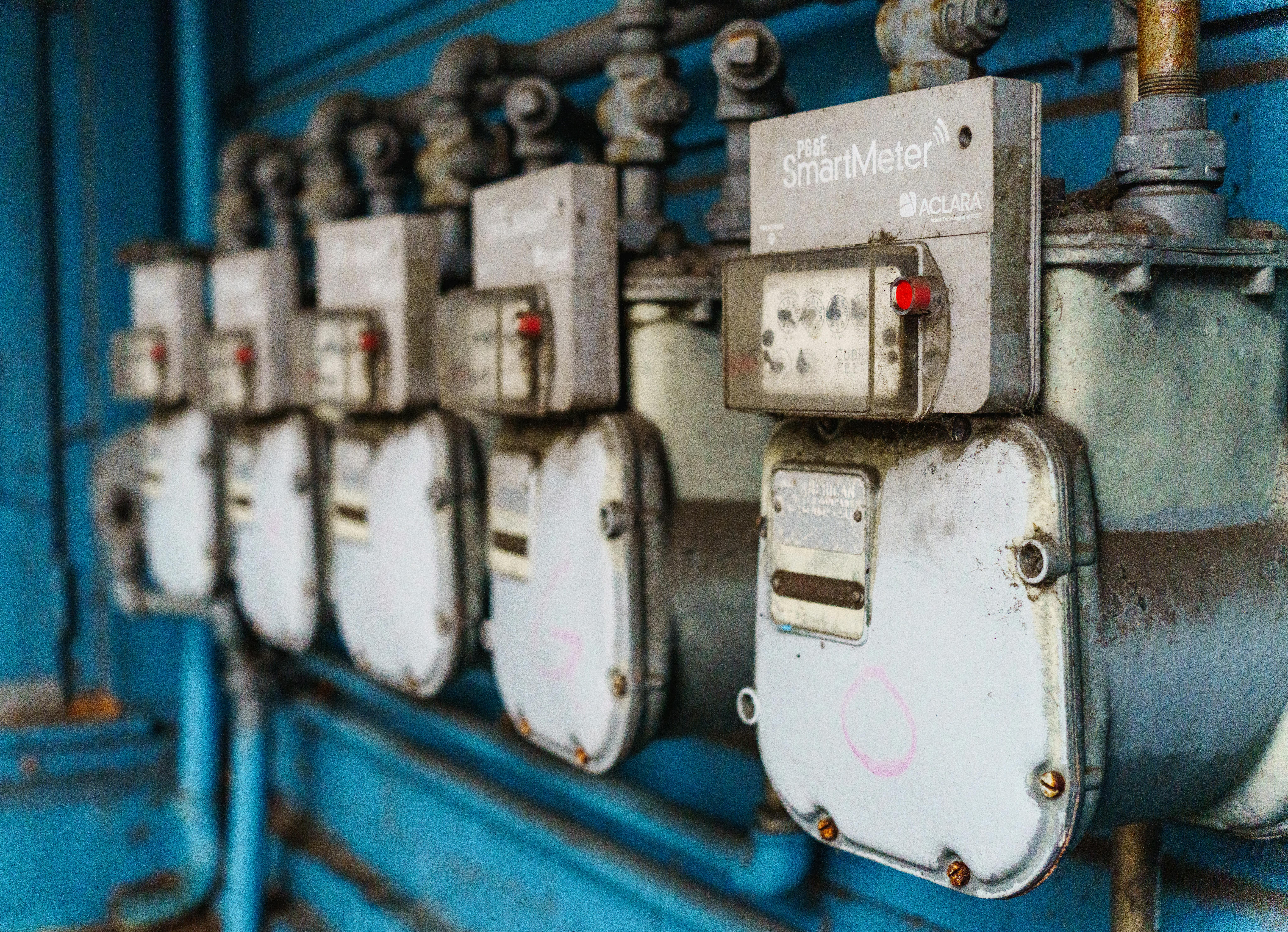
Gas supply infrastructure and energy networks
The asymmetry of energy pricing
Energy companies raised prices rapidly during the 2022 crisis, citing unprecedented wholesale costs and the collapse of several suppliers who had failed to hedge adequately. Those increases were necessary to prevent further market failures. But the mechanism that allowed prices to rise within weeks now appears to operate on a far slower schedule when working in reverse.
SSE Airtricity manages 215,000 accounts across the Greater Belfast area and western gas network zones, giving it significant market share in Northern Ireland's domestic gas supply. For these customers, the £80 annual saving represents partial relief rather than restoration. Even after this 8.1% reduction, household gas bills remain substantially above 2021 levels — though SSE Airtricity has not published comparative figures to quantify that gap precisely.
For a typical household that paid approximately £600 annually for gas in early 2021, bills rose to around £1,100 by late 2022 at peak crisis pricing. If current tariffs sit at roughly £1,000 before this reduction and £920 after, customers are still paying more than 50% above pre-crisis rates despite wholesale markets having cooled considerably.
That struggle reflects not just the absolute level of energy costs but the speed at which discretionary household income was absorbed by essential utilities over the past two years.
The Utility Regulator's Leigh Greer acknowledged that "many households and businesses are still struggling" even with this reduction. Small businesses operating on thin margins have faced similar pressure, with energy costs becoming a material factor in pricing decisions and employment planning.
Household budgeting and utility costs
Volatility warnings and the road ahead
Both SSE Airtricity and the Consumer Council have flagged ongoing market volatility linked to geopolitical tensions. The subtext is clear: these reductions are not guaranteed to continue, and reversal remains possible if global gas supply faces fresh disruption.
The war in Ukraine fundamentally reshaped European gas markets, severing reliance on Russian pipeline supplies and forcing a scramble for liquefied natural gas from alternative sources. Middle East tensions add further uncertainty to global energy flows. For Northern Ireland, which sources gas through interconnectors from Great Britain and ultimately from international markets, these geopolitical factors translate directly into price risk.
Firmus Energy's expected announcement will indicate whether this pricing adjustment represents a sector-wide recalibration or a competitive move by SSE Airtricity. Given Northern Ireland's regulatory framework for gas pricing, the former seems more probable. The Utility Regulator sets maximum tariffs based on cost assessments, meaning multiple suppliers often move in tandem when those underlying cost calculations shift.
For households budgeting for the months ahead, this reduction offers tangible relief but not resolution. Energy costs remain elevated, and the warning signs from regulators and suppliers suggest fragility in current pricing. Businesses planning capital expenditure or wage negotiations will need to maintain energy cost provisions well above historical norms. The energy crisis may have peaked, but its financial aftershocks continue to reverberate through balance sheets across Northern Ireland's economy.
Price reductions lag market movements: wholesale costs have been falling for months, yet retail tariffs adjust slowly downward compared to the rapid increases seen in 2022
Bills remain structurally elevated: even with this cut, households pay over 50% more than pre-crisis levels, locking higher energy costs into business planning and household budgets
Geopolitical volatility persists: ongoing tensions in Ukraine and the Middle East mean current price reductions are fragile and could reverse with fresh supply disruptions
Multi-award winning serial entrepreneur and founder/CEO of Venntro Media Group, the company behind White Label Dating. Founded his first agency while at university in 1997. Awards include Ernst & Young Entrepreneur of the Year (2013) and IoD Young Director of the Year (2014). Co-founder of Business Fortitude.