G7's Oil Reserve Release: A Sign of Panic, Not Prudence
- G7 finance ministers to discuss releasing 300-400 million barrels from IEA reserves, representing up to one-third of total 1.2 billion barrel stockpile
- US petrol prices surged 47 cents in one week from $2.98 to $3.45 per gallon, forcing Trump administration policy reversal
- Brent crude fell 14.4% to $99.85 per barrel after emergency meeting announced, having earlier touched $116.70
- Asian markets suffered sharp losses with South Korea's Kospi down 5.96% and Japan's Nikkei falling 5.2%
The emergency call scheduled for Monday morning between G7 finance ministers and the International Energy Agency chief tells you everything you need to know about how quickly the political ground has shifted beneath Donald Trump's feet. Just days after administration officials insisted releases from strategic petroleum reserves wouldn't be necessary, the US now backs tapping those stockpiles in what could be one of the largest coordinated drawdowns since the system was created following the 1973 Arab oil embargo. When officials contemplate draining a third of emergency stockpiles, they're signalling something closer to panic than prudence.
The political arithmetic that forced Trump's hand
Numbers, not diplomacy, drove this reversal. US petrol prices jumped from $2.98 to $3.45 per gallon in a single week, according to market data. That 47-cent increase matters far more than any foreign policy consideration when your central political promise involves reducing inflation and delivering cheaper energy to American voters.
Trump attempted to brush off the surge over the weekend, posting on Truth Social that "short term oil prices, which will drop rapidly when the destruction of the Iran nuclear threat is over, is a very small price to pay for U.S.A, and World, Safety and Peace." The all-caps declaration that "ONLY FOOLS WOULD THINK DIFFERENTLY" read rather like someone trying to convince himself.
Enjoying this article?
Get stories like this in your inbox every week.
You can't campaign on kitchen-table economics and then tell voters their fuel costs are acceptable collateral damage for geopolitical ambitions.
Republican voters who delivered Trump's November 2024 victory on an "America First" platform have grown noticeably restive about his focus on Gulf military operations whilst domestic costs climb. The political vulnerability here is acute. Markets responded to news of the Monday meeting with swift relief, though the relief may prove temporary.

Brent crude tumbled 14.4 per cent in early trading to $99.85 a barrel after touching $116.70 earlier. West Texas Intermediate hovered around $102.45, still up 12.7 per cent. Asian equities bore the worst of the damage before the meeting was confirmed, with South Korea's Kospi falling 5.96 per cent and Japan's Nikkei dropping 5.2 per cent to approach two-month lows.
Why this intervention may not be enough
The IEA's emergency petroleum stockpiles were established in 1974 specifically for moments like this. What's interesting is how rarely they've been deployed at this scale. The system exists to respond to genuine supply shocks, not routine price volatility.
Chris Beauchamp, chief market analyst at IG, captured the fundamental problem: "While a coordinated release of oil reserves provides temporary relief, it is a limited response, and is dwarfed by the loss of oil output from the Hormuz closure and the shutdown of production in the region." The arithmetic is straightforward. You're trying to offset lost supply with finite stockpiles whilst the underlying disruption continues.
Officials wouldn't be contemplating a release of this magnitude unless they viewed the situation as severe and potentially prolonged.
Three G7 countries, including the US, have reportedly expressed support for the release, according to the Financial Times. The identity of the other two matters. If Germany and Italy are on board, both major importers starkly exposed to price shocks, that suggests European acceptance of economic pain requiring collective action.
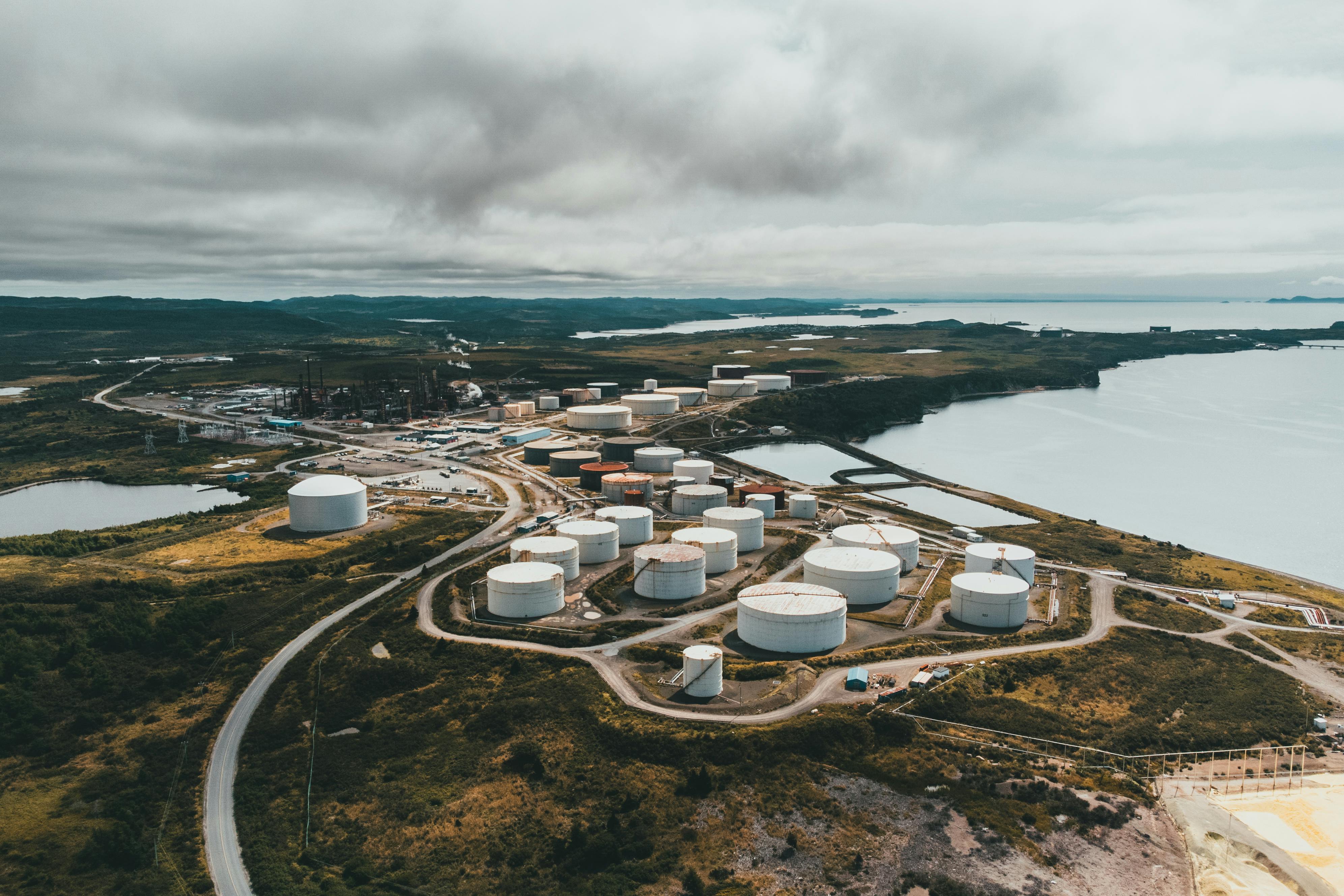
The confidential document prepared for an earlier IEA emergency meeting last Tuesday noted that member countries held more than 1.24 billion barrels in public stocks, plus roughly 600 million barrels in industry reserves that could potentially be mobilised. That's the entire arsenal. Using a third of it now raises an obvious question: what happens if this drags on?
What Monday's decision reveals about the crisis ahead
The shift from "no release necessary" to emergency weekend coordination in less than a week tells you how fast economic projections are deteriorating inside government. Surging oil prices create inflationary pressure that spreads through entire economies. China, India, South Korea, Japan, Germany, Italy and Spain all rank among the world's largest crude importers.
US equity futures pointed to considerable Monday losses before markets opened, suggesting investors don't view even a major reserve release as sufficient to stabilise the situation. They're probably right to be sceptical. Strategic reserves work when you're bridging a temporary supply gap.
The emergency meeting scheduled for 1:30pm GMT on Monday will determine whether the G7 can agree terms for a coordinated release, how quickly barrels can reach markets, and whether the intervention is sufficient to prevent the recessionary pressure now building across major economies. What won't be determined is whether Trump can deliver on his prediction that prices "will drop rapidly" once Iran operations conclude. That timeline remains entirely uncertain, whilst the political and economic costs accumulate by the day.
- Strategic petroleum reserves are temporary solutions that cannot substitute for sustained production losses, raising serious questions about what happens if regional disruptions continue beyond available stockpiles
- The week-long reversal from dismissing reserve releases to emergency coordination reveals how rapidly economic forecasts are deteriorating within governments, with inflationary pressure threatening major importing economies
- Trump's political vulnerability on domestic energy costs now directly conflicts with his foreign policy ambitions, creating pressure that may intensify if his prediction of rapidly falling prices fails to materialise

Co-Founder
Multi-award winning serial entrepreneur and founder/CEO of Venntro Media Group, the company behind White Label Dating. Founded his first agency while at university in 1997. Awards include Ernst & Young Entrepreneur of the Year (2013) and IoD Young Director of the Year (2014). Co-founder of Business Fortitude.
Comments
💬 What are your thoughts on this story? Join the conversation below.
to join the conversation.