Iran Strikes Qatar LNG. Europe's Energy Strategy Faces a New Crisis.
- European benchmark gas prices surged over 40% after Qatari LNG production halted due to Iranian drone strikes.
- Qatar supplies between 12% and 14% of Europe’s LNG imports, making it a crucial energy partner.
- TTF gas futures spiked to just under €48 per megawatt hour on news of the production stoppage.
- Approximately 20% of global LNG and a fifth of global oil flows pass through the vulnerable Strait of Hormuz.
European energy markets are once again on a knife edge, as Iranian drone strikes on key Qatari LNG facilities have triggered one of the most dramatic price surges since Russia's invasion of Ukraine. The disruptions not only exposed hidden fault lines in Europe’s emergency energy strategy, but also reignited concerns over the volatility of global supply chains.
As the continent grapples with soaring benchmark prices and uncertain futures, policy makers and businesses alike must now confront a stark new reality: diversification has not delivered the security many hoped for.
A new chokepoint emerges
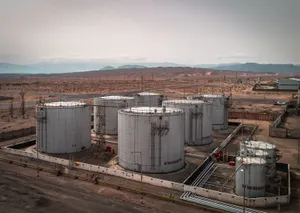
European markets were rocked on Monday by the sudden news that QatarEnergy had paused operations at the Ras Laffan and Mesaieed LNG sites, following what officials described as targeted military attacks. Drones reportedly struck a water tank at Mesaieed and damaged energy infrastructure at Ras Laffan, though mercifully no injuries were reported. The effect, though, was immediate and global in its reverberations.
Enjoying this article?
Get stories like this in your inbox every week.
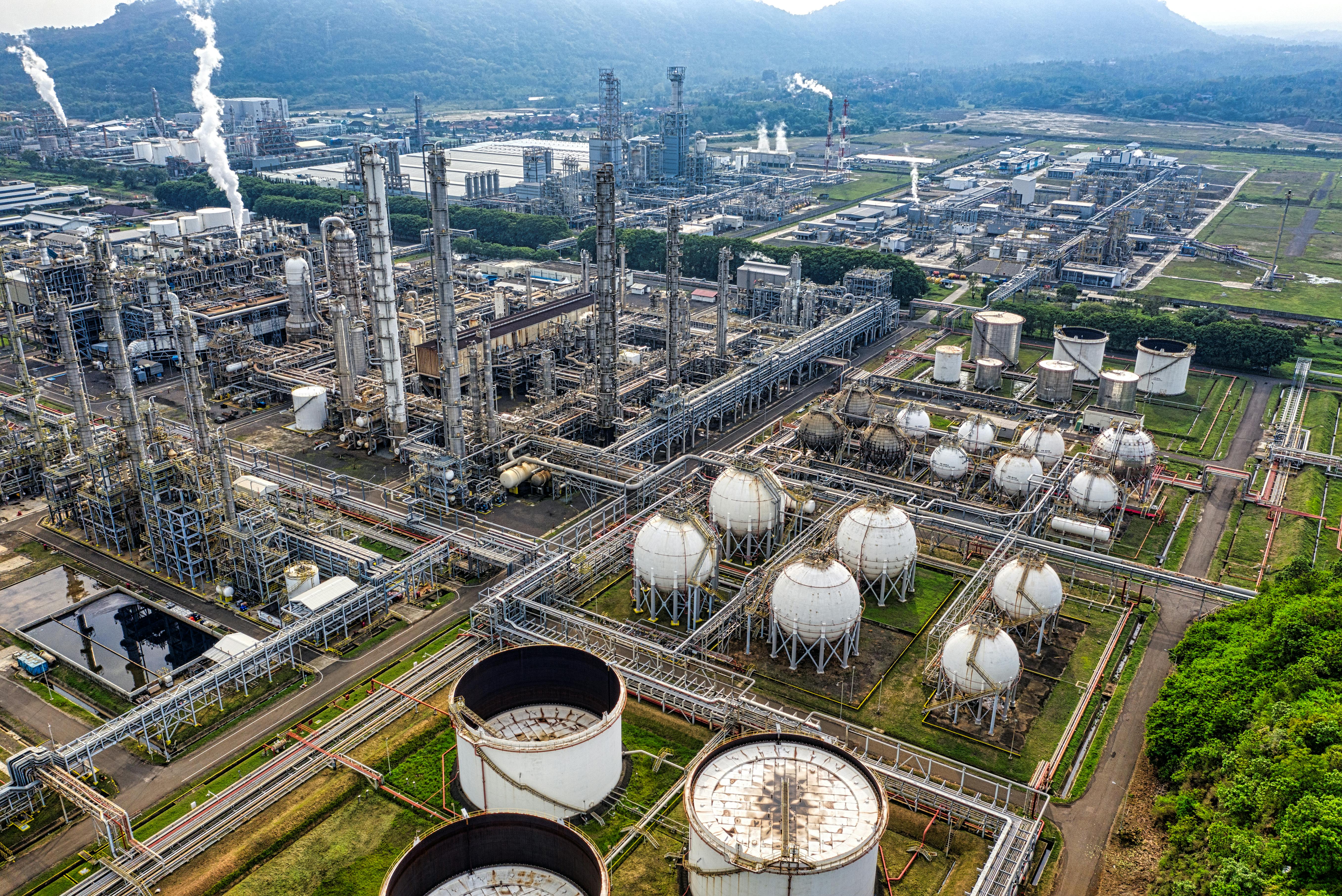
European TTF gas futures soared to nearly €48 per megawatt hour, as traders digested the gravity of Qatar’s halt. With Qatar providing up to 14% of Europe's LNG, the so-called diversified approach—built in the wake of Russia’s supply cut-offs—suddenly appeared worryingly brittle.
European natural gas prices have gone stratospheric as Qatar just halted LNG production, which signals potentially huge disruption for European energy flows.
Beyond Europe, China, India, and South Korea are also feeling the pinch, as they all heavily depend on Qatari LNG. Competition for replacement cargoes is set to be fierce, driving up costs worldwide. ING analysts were blunt: if the market starts factoring in longer disruptions, prices could yet double, with consequences for both businesses and consumers.
The Strait of Hormuz threat compounds the crisis
The backdrop to the Qatari strikes is a fraught regional security landscape. These attacks came only days after the US and Israel carried out strikes that resulted in the death of Ayatollah Khamenei, Iran’s Supreme Leader—an event which has instantly raised the stakes across the entire Middle East. In the immediate aftermath, Iranian forces launched retaliatory drone and missile strikes in multiple locations, including assets in Saudi Arabia and shipping vessels in the Gulf.
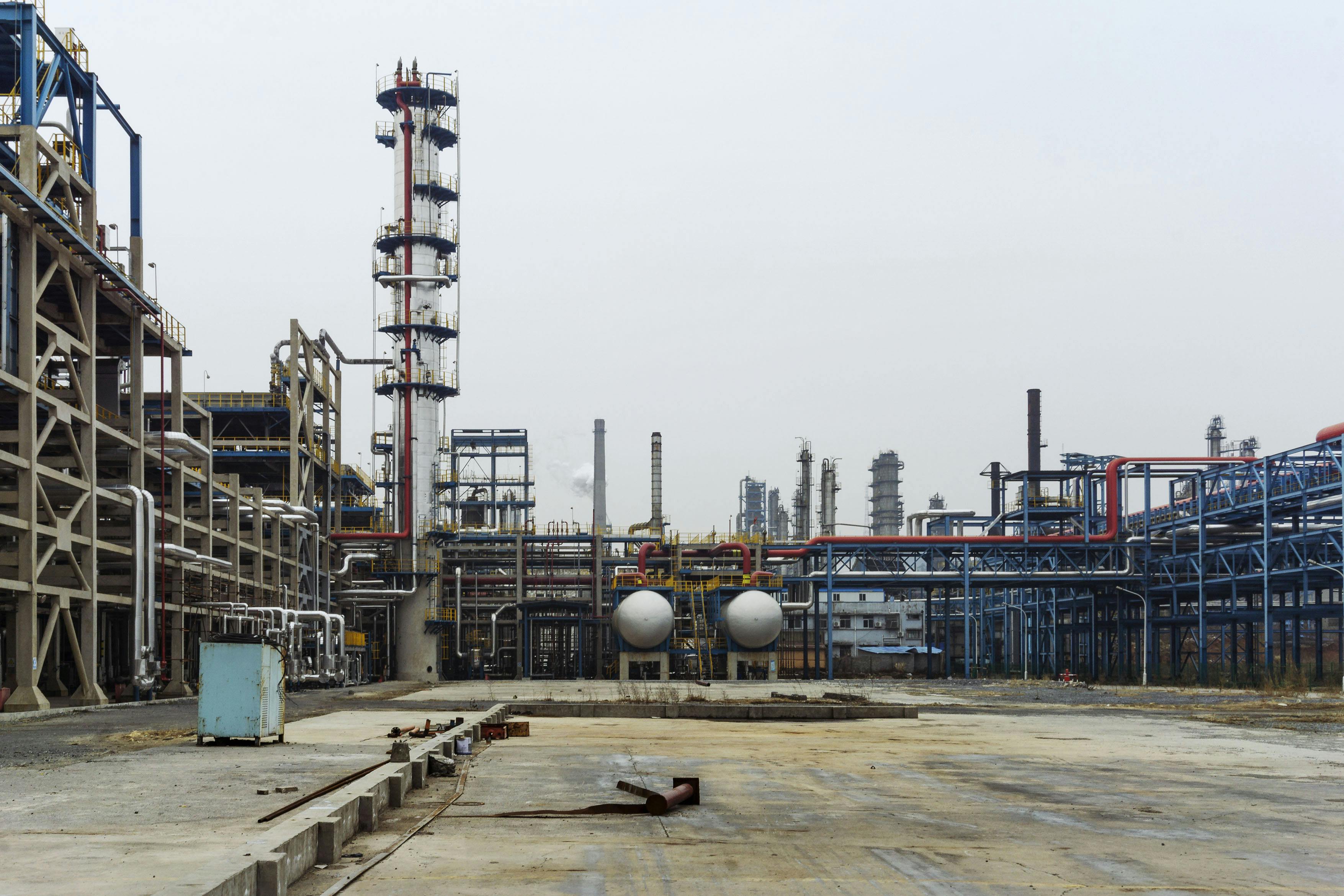
The most significant risk now is a prolonged blockade or disruption of the Strait of Hormuz, through which a fifth of global oil and 20% of global LNG pass. Though Iranian claims of destroying multiple US and UK tankers remain unverified, shipping through the strait has slowed to a crawl. Oil prices reflected the tension, with Brent crude jumping nearly 9% in a day.
Even partial interference with Strait of Hormuz traffic could produce what analysts describe as a supply shock of historic proportions.
The full extent of the chokehold is yet to be felt, but traders and energy strategists are warning that the combination of halted Qatari production and Hormuz bottlenecks could thrust world energy markets into a renewed bout of crisis-pricing.
Europe's vulnerability exposed
Europe’s lately hard-won sense of energy security now appears deeply illusory. The shift from Russian pipeline gas towards Qatari and American LNG diversified suppliers, but did nothing to neutralise the risks posed by Middle Eastern volatility. The current crisis underscores the hard truth: even a broadened supplier base is no panacea if major supply routes remain exposed to conflict.
In practical terms, European manufacturers and households are bracing for new cost pressures. The resurgence in wholesale gas prices comes just as relief from the 2022 crisis had begun to filter through to bills and bottom lines. Governments face renewed calls for support and intervention, even as public finances remain stretched.
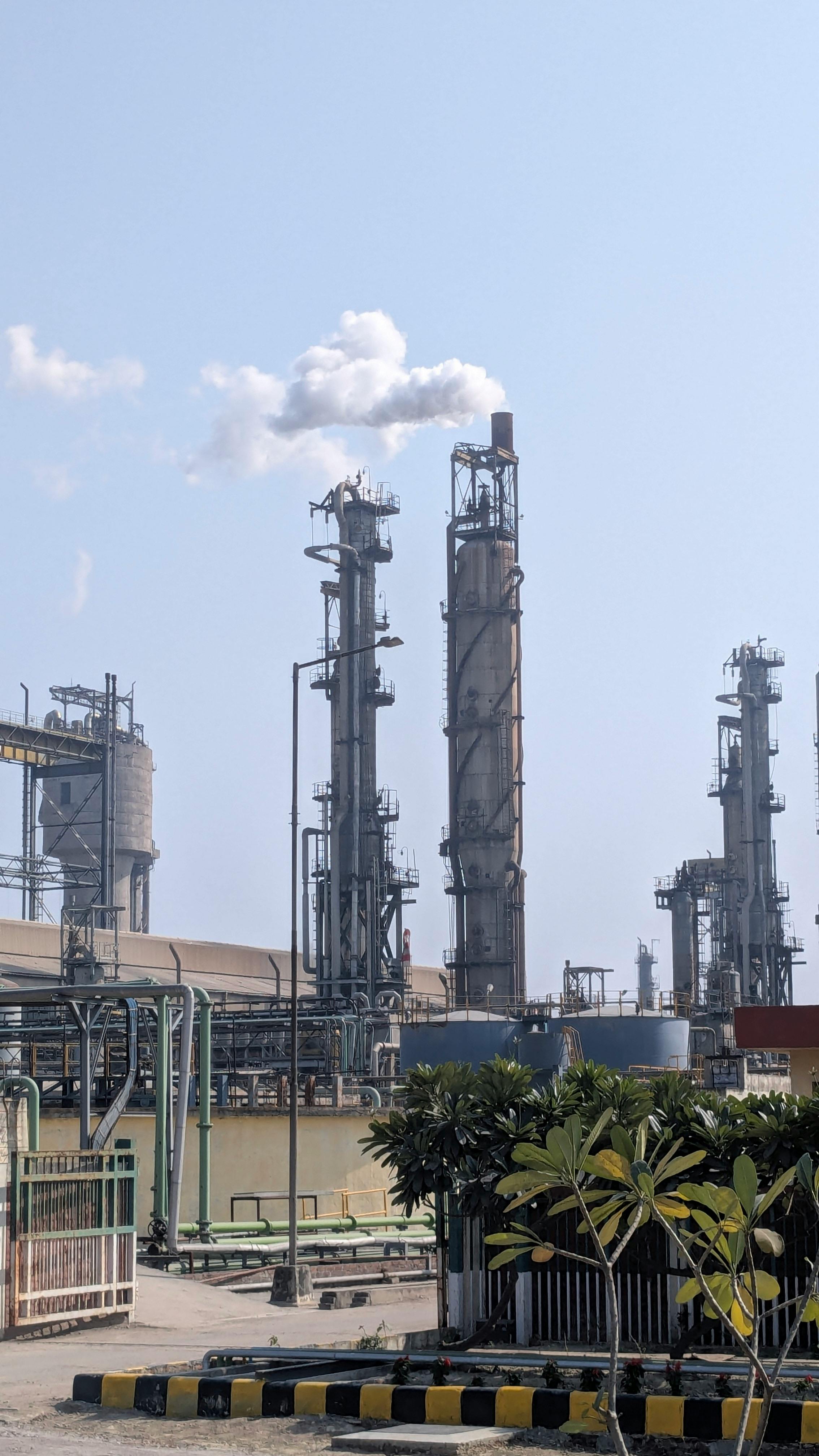
The options available to policymakers are limited. Renewables and nuclear cannot immediately fill the gap, and other global exporters are hardly free from geopolitical risk. The focus now turns to how swiftly Qatari production can be restored, and whether the Strait of Hormuz can resume functioning at anything resembling normal capacity.
Should interruptions linger, ING’s most pessimistic forecasts for gas prices may rapidly become the new reality. At that point, Europe’s fragile recovery from recent turbulence could face another round of inflationary shocks, with consequences for growth, employment and political stability.
- Europe’s reliance on LNG has not insulated it from geopolitical upheaval—a rethink of energy security strategy may be inevitable.
- Expect growing competition between Europe and Asia for limited LNG supplies if Qatari production remains offline.
- The next week is critical: a protracted supply shock could unleash further energy price spikes and fan renewed inflation across the continent.

Co-Founder
Multi-award winning serial entrepreneur and founder/CEO of Venntro Media Group, the company behind White Label Dating. Founded his first agency while at university in 1997. Awards include Ernst & Young Entrepreneur of the Year (2013) and IoD Young Director of the Year (2014). Co-founder of Business Fortitude.
Comments
💬 What are your thoughts on this story? Join the conversation below.
to join the conversation.