UK's Diplomatic Tightrope on Iran Strikes Won't Shield Businesses from Inflation
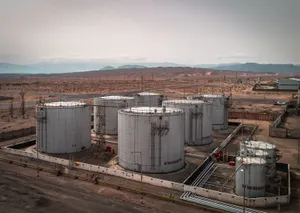
- Israel struck five Iranian oil facilities over the weekend, damaging four oil depots and a petroleum products transport centre in Tehran and Alborz region
- Iran accounts for roughly 3-4% of global oil supply, with any sustained reduction in export capacity threatening to tighten already jittery markets
- British inflation had dropped to 2.5% in December, but sustained oil price increases could reverse that progress
- UK businesses face a triple squeeze from April: wage costs rising to £12.21 minimum wage, increased National Insurance contributions, and potentially rising fuel expenses
British businesses and consumers face mounting inflation risks after Israel struck five Iranian oil facilities over the weekend, even as Prime Minister Keir Starmer's efforts to maintain diplomatic distance from the military offensive draw sharp public rebukes from President Trump. The attacks damaged four oil depots and a petroleum products transport centre in Tehran and the Alborz region, according to the chief executive of the National Iran Oil Products Distribution Company speaking to state television. Footage circulating from Tehran showed substantial flames and smoke above the capital.
The strikes represent a significant escalation in targeting Iran's oil distribution network rather than production facilities. That distinction matters economically: disrupting export infrastructure can constrain global supply just as effectively as hitting refineries, whilst being marginally easier to repair. Iran accounts for roughly 3-4% of global oil supply, and any sustained reduction in its export capacity will tighten markets already jittery about Middle Eastern stability.
Walking a diplomatic tightrope
Starmer has attempted to chart a middle course, declining to support what he terms offensive operations whilst approving American use of British bases for "defensive" strikes against Iranian missile sites. That semantic distinction looks increasingly flimsy. The UK has provided basing support for some military action whilst withholding it for other strikes, a position that satisfies neither Washington nor those calling for complete non-involvement.
Enjoying this article?
Get stories like this in your inbox every week.
Trump made his displeasure unmistakable in a Truth Social post on Saturday night, claiming Britain was giving "serious thought" to deploying two aircraft carriers to the region. "That's OK, Prime Minister Starmer, we don't need them any longer – But we will remember," the President wrote. "We don't need people that join Wars after we've already won." UK defence sources have not confirmed any carrier deployment discussions, and Trump's phrasing suggests more political theatre than military coordination.
What's striking here is how Britain's cautious positioning has purchased precisely zero insulation from the economic consequences. Starmer may have avoided direct military entanglement, but British businesses will pay the same inflated energy prices regardless of whether RAF jets participated in the strikes.
Qatar's energy minister warned last week that the conflict could "bring down the economies of the world" — hyperbolic perhaps, but indicative of genuine concern amongst major energy producers about supply disruption.
Industry alarm bells
Greg Jackson, founder of Octopus Energy, told Times Radio on Friday that global markets were "in turmoil". His company, which serves 7 million UK households and businesses, has direct exposure to wholesale price volatility. Energy retailers operate on thin margins and sudden commodity spikes flow through to consumer bills within months, not years.
British inflation had finally retreated to more manageable levels after the post-pandemic surge, dropping to 2.5% in December according to the Office for National Statistics. Any sustained oil price increase threatens to reverse that progress, particularly given petrol and diesel's outsized impact on headline inflation figures and their knock-on effects across supply chains. Higher fuel costs feed into food prices, manufacturing expenses, and transport-dependent services.
The timing could scarcely be worse for businesses already navigating increased National Insurance contributions from April's budget and a minimum wage rise to £12.21 per hour. Hospitality and retail sectors, heavily reliant on both labour and logistics, face a triple squeeze of wage costs, tax increases, and potentially rising fuel expenses. Small and medium enterprises lack the hedging capacity of larger corporations to manage energy price volatility.
Political fallout intensifies
Home Secretary Yvette Cooper defended the government's stance on Sunday, describing Starmer's approach as "calm, steady decision making" and rejecting both automatic alignment with Washington and knee-jerk opposition to joint action. "It is the responsibility for Keir Starmer to act in the UK's national interest for British citizens," she told Sky News.
Former Prime Minister Tony Blair reportedly criticised Starmer's position at a Jewish News event on Saturday, though Blair subsequently insisted his remarks were off the record. Cooper responded obliquely, noting that "some people in politics think we should always agree with the US whatever" whilst others take the opposite view, and that "neither of those positions is in the UK national interest".
Shadow Home Secretary Chris Philp accused the government of "dereliction of duty" for failing to pre-position military forces in the Mediterranean and Gulf ahead of the strikes, signalling Conservative willingness to exploit any daylight between London and Washington.
The immediate question is whether Iran's export capacity has sustained lasting damage or merely temporary disruption. Oil markets will provide the answer within days through price movements and shipping data. If Iranian loadings at Kharg Island and other terminals decline meaningfully, Brent crude will climb and British motorists will see pump prices rise within weeks.
Longer term, Starmer faces an uncomfortable reality: Britain's economic exposure to Middle Eastern energy volatility persists regardless of its military posture, and diplomatic fence-sitting satisfies neither allies nor domestic constituencies whilst delivering no material protection from commercial fallout. The Prime Minister sought to avoid the costs of involvement. He may discover he's incurred them anyway.
- Britain's diplomatic positioning provides no protection from energy price shocks — businesses will face the same inflation pressures regardless of military involvement
- Watch for Brent crude price movements and Iranian export data from Kharg Island in coming days as the clearest indicator of lasting infrastructure damage
- SMEs face particular vulnerability with limited hedging capacity against the combined impact of wage increases, tax rises, and potential fuel cost spikes hitting simultaneously from April

Co-Founder
Multi-award winning serial entrepreneur and founder/CEO of Venntro Media Group, the company behind White Label Dating. Founded his first agency while at university in 1997. Awards include Ernst & Young Entrepreneur of the Year (2013) and IoD Young Director of the Year (2014). Co-founder of Business Fortitude.
Comments
💬 What are your thoughts on this story? Join the conversation below.
to join the conversation.