UK Energy Bills Set to Surge: Strait of Hormuz Tensions Threaten Oil Supply
- Macquarie analysts warn crude oil markets could "break in days" if Middle East tensions continue
- Brent crude could surge to $150 per barrel or higher if the Strait of Hormuz remains threatened
- The Strait carries roughly 20 per cent of global oil supply through a waterway barely 21 miles wide
- IEA considering releasing 300-400 million barrels from strategic reserves, covering just 7-9 days of consumption
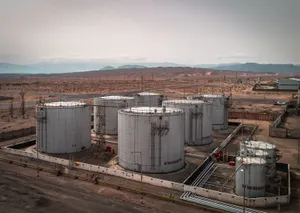
British households face the prospect of sharply higher energy bills within months after Macquarie analysts warned that crude oil markets could "break in days" if escalating Middle East tensions continue to choke supply through the Strait of Hormuz. The investment bank's commodities team cautioned that Brent crude prices could surge to $150 per barrel or higher if the vital shipping channel remains under threat. Chancellor Rachel Reeves confirmed on Tuesday that the UK government is in active negotiations with allies over releasing strategic oil reserves, describing daily meetings between finance ministers, energy ministers and world leaders attempting to prevent a supply crunch that would hit British consumers just as inflation was finally stabilising.
For a nation that endured historically brutal energy price shocks in 2022-23, the prospect of renewed oil disruption threatens to reignite the cost-of-living crisis that defined the final years of Conservative government. The Bank of England, which had been cautiously eyeing interest rate cuts, would face a fresh inflationary headwind precisely when household finances appeared to be stabilising. The admission from Reeves signals how quickly policymakers fear the situation could deteriorate.
A narrow chokepoint under pressure
The Strait of Hormuz carries roughly 20 per cent of global oil supply through a waterway barely 21 miles wide at its narrowest point. According to the International Maritime Organisation, around ten vessels in or near the strait have come under attack from Tehran since hostilities intensified, resulting in at least seven deaths. Iran has vowed to prevent "one litre of oil" from leaving the Gulf region, whilst Saudi Arabia confirmed on Wednesday it had intercepted seven drones targeting a strategic oil field.
Enjoying this article?
Get stories like this in your inbox every week.
Recent reports suggest Iran has been laying mines across the waterway, with US military forces claiming to have destroyed 16 minelayers near the channel within the past 24 hours. Such claims require verification, but the market response has been immediate. Brent crude prices jumped on the news before retreating slightly when word emerged that the International Energy Agency was preparing to release strategic reserves.
We are growing more confident that without an agreement and a fast cessation of all kinetic activity, the crude market will begin to break in days, and not in weeks or months.
Macquarie's warning carries particular weight given how circumspect analysts typically are about making short-term predictions. The bank's team wrote that the market appeared "far too sanguine" given recent volatility. What's striking here is the timeline—financial markets often price in geopolitical risk gradually, but Macquarie's assessment suggests the physical oil market's tolerance for disruption is measured in days, not the weeks or months that policymakers typically have to craft responses.
Emergency measures with limited reach
Reeves's confirmation that the UK is prepared to release strategic oil reserves represents an emergency measure rarely deployed. Reports suggest the IEA is considering releasing between 300 and 400 million barrels from member countries' stocks, significantly exceeding the 182 million barrels released following Russia's invasion of Ukraine in 2022. Yet the arithmetic remains sobering.
According to Ipek Ozkardeskaya, senior analyst at Swissquote Bank, IEA countries consume nearly 45 million barrels daily. Even a 400 million barrel release would cover just seven to nine days of consumption. "It would be a temporary fix," Ozkardeskaya noted, with the duration of the conflict determining whether oil price spikes persist.
The strategic petroleum reserve has become something of a political tool in recent years, deployed more frequently as energy markets tighten and voters feel the pinch at petrol stations and on heating bills. Whether this represents prudent crisis management or simply buying time whilst hoping the situation resolves itself is a question the Treasury would prefer not to answer directly.
For British households, the transmission mechanism from crude oil prices to energy bills runs through multiple channels. Petrol and diesel prices respond within days to crude price movements. Heating oil costs follow a similar pattern. Natural gas prices, whilst not directly linked to crude, often move in sympathy during supply crises as energy markets become correlated.
Volatility beyond the crisis
Even if tensions de-escalate and the Strait of Hormuz fully reopens, Macquarie analysts warn that market turbulence would persist for months. "A complete reopening of the Straits would likely trigger a tsunami of oil on the water followed by a drought as loading facilities restart, leading to market oscillations that may persist for several months," they cautioned.
A complete reopening of the Straits would likely trigger a tsunami of oil on the water followed by a drought as loading facilities restart, leading to market oscillations that may persist for several months.

The physical logistics of moving vessels through the strait, restarting loading facilities, and coordinating shipments after a disruption create bottlenecks that would ripple through global supply chains long after the immediate crisis passes. Tankers that diverted to alternative routes would need repositioning. Loading schedules at Gulf terminals would require complete recalibration.
The head of Saudi Aramco, the world's largest oil exporter, warned on Tuesday of "catastrophic consequences" for oil markets the longer disruptions continue, with impacts filtering throughout the global economy. Such public warnings from typically circumspect energy executives underscore how seriously the industry views current risks.
Britain's economic recovery remains fragile, with GDP growth barely positive and consumer confidence still depressed from recent inflation shocks. A renewed surge in energy costs would drain household spending power precisely when retail sales and services consumption were showing tentative improvement. Reeves, already managing tight fiscal constraints and trying to fund increased public investment, faces a scenario where supporting households through another energy crisis could blow a hole in Treasury projections.
The coming weeks will test whether coordinated reserve releases and diplomatic pressure can stabilise markets, or whether Britain faces another winter of households choosing between heating and eating. For a government that promised stability and competence, managing this crisis without triggering renewed inflation or forcing emergency support packages will define its economic credibility.
- Strategic reserve releases offer only temporary relief, covering 7-9 days of consumption—the duration and resolution of the conflict will determine whether oil price spikes become sustained
- Even if tensions de-escalate quickly, expect months of market volatility as the physical logistics of restarting Gulf oil flows create supply chain bottlenecks
- Watch for the transmission to household bills through multiple channels: petrol and diesel prices will respond within days, whilst correlated energy market movements could drive up heating costs just as inflation was stabilising

Co-Founder
Multi-award winning serial entrepreneur and founder/CEO of Venntro Media Group, the company behind White Label Dating. Founded his first agency while at university in 1997. Awards include Ernst & Young Entrepreneur of the Year (2013) and IoD Young Director of the Year (2014). Co-founder of Business Fortitude.
Comments
💬 What are your thoughts on this story? Join the conversation below.
to join the conversation.