Oil Markets React to Rhetoric, Not Reality. Businesses Face Chaos.
- Brent crude soared to $119.50 per barrel on Monday before plummeting 10 per cent following Trump's declaration the Middle East war was "very complete"
- Iraq has slashed production at southern oilfields by 70 per cent to just 1.3 million barrels per day, with Kuwait declaring force majeure
- The Strait of Hormuz, which handles one-fifth of global oil supply, remains under threat as Iran vows not to allow "one litre of oil" to leave the region
- Analysts expect crude to trade in a wide range between $75 and $105 per barrel, representing a 40 per cent volatility band
Global oil markets swung through their most chaotic trading session in years on Monday, driven not by supply fundamentals but by presidential optimism delivered via CBS interview and Truth Social posts. For businesses trying to plan costs, hedge inflation risks, or forecast supply chain expenses, this presents an uncomfortable reality: the world's most critical commodity market is now trading primarily on political rhetoric. The actual situation on the ground tells a starkly different story.
Production Cuts Deepen as Trump Talks Down Prices
Iraq has slashed production at its main southern oilfields by 70 per cent, bringing output down to just 1.3 million barrels per day. Kuwait has declared force majeure and begun reducing output. Saudi Arabia has quietly started trimming production, according to sources speaking on Monday.
These aren't minor adjustments. Together, they represent a material constraint on supply that won't reverse quickly even if hostilities ceased tomorrow. David Doherty, head of natural resources research at BloombergNEF, noted that restart timelines will be "particularly" protracted in Iraq and Kuwait due to their specific field characteristics.
Enjoying this article?
Get stories like this in your inbox every week.
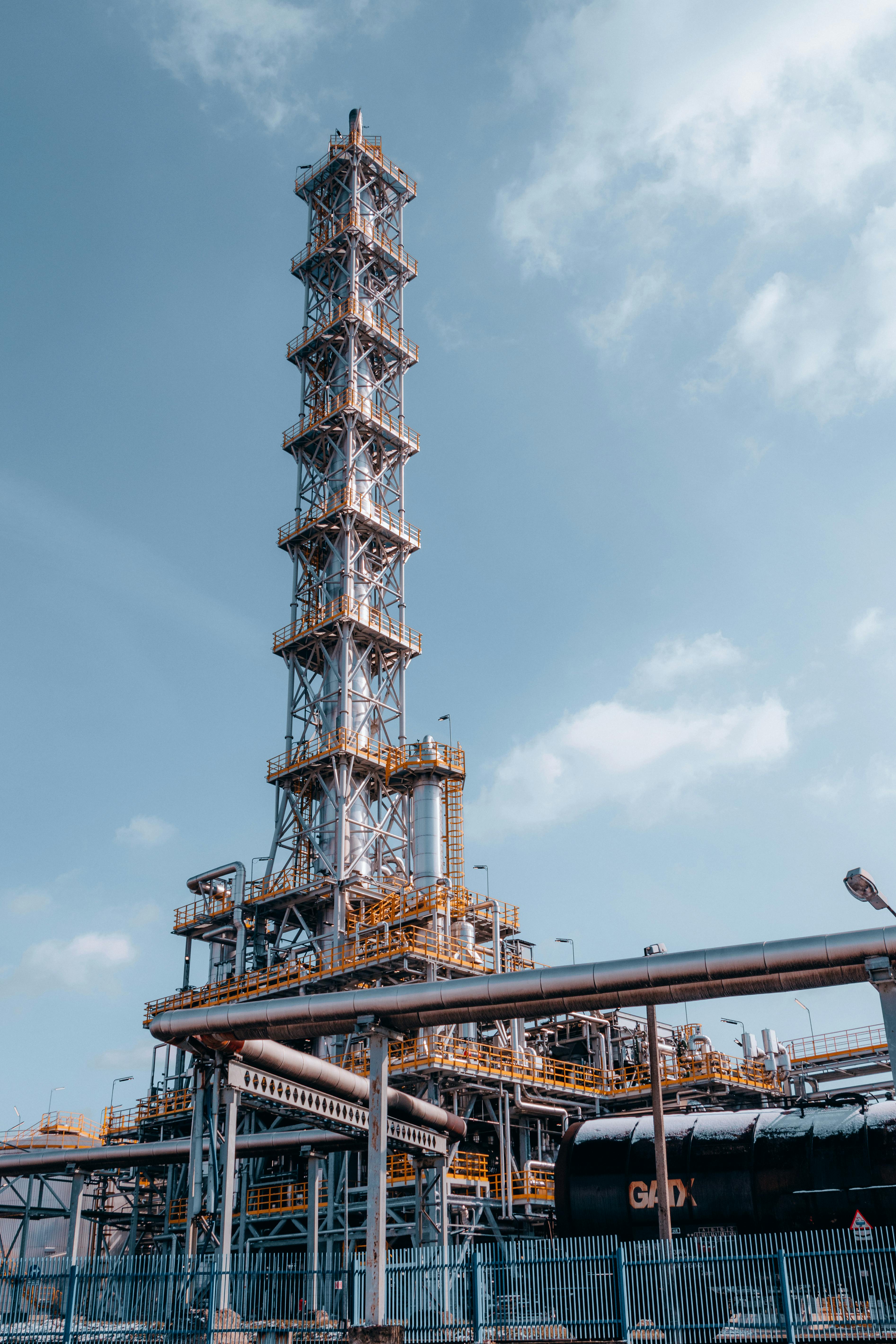
The longer the Strait of Hormuz faces disruption or threat of closure, the longer any production restart will take. That strait, crucially, handles one-fifth of global oil supply.
Iran's Revolutionary Guards made their position clear on Tuesday: Tehran, not Washington, would "determine the end of the war".
They added they would not allow "one litre of oil" to leave the region if US and Israeli attacks continued. This wasn't diplomatic posturing buried in official statements. This was a direct rebuttal to Trump's victory narrative, issued within hours of his CBS interview.
What's remarkable here is the market's willingness to trade on presidential declarations that are immediately contradicted by one of the main parties to the conflict. Monday's intraday oil swings of 29 per cent suggest traders are responding to headlines rather than conducting sober analysis of supply fundamentals.
A Hardline Succession Complicates the De-Escalation Narrative
The appointment of Mojtaba Khamenei, 56, as Iran's new supreme leader following his father Ali's death should give pause to anyone betting on imminent de-escalation. Analysts characterised the choice as signalling that hardliners remain firmly in control of the Islamic Republic. Large crowds rallied in support across several Iranian cities on Monday evening, though Mojtaba himself has yet to appear publicly.
Israel had previously stated it would kill whoever succeeded the elder Khamenei unless Iran ended its hostile policies toward the Jewish state. That threat remains active. The idea that this succession represents a window for peace requires considerable imagination.
Trump himself seemed to recognise the fragility of his optimistic scenario, warning on Truth Social that Iran would be hit "twenty times harder" if it moved to block the Strait of Hormuz. This came mere hours after declaring the war nearly complete. The contradiction speaks to how fluid, and frankly unreliable, political declarations have become as market signals.
Volatility Premium Isn't Going Anywhere
Tony Sycamore, a market analyst at IG in Sydney, told Reuters he expects crude to trade in a wide range between roughly $75 and $105 per barrel as volatility persists. That 40 per cent range isn't a market finding equilibrium. That's a market admitting it has no reliable framework for pricing risk.
For businesses dependent on stable energy costs, this creates planning chaos. Hedging strategies become expensive. Long-term contracts become difficult to price.
The knock-on effects ripple through manufacturing, logistics, and ultimately consumer prices. Monday's session saw bond yields spike on inflation fears before retreating, a sign that fixed-income markets are equally unsettled by the potential for sustained energy price shocks.

G7 nations said they were prepared to implement "necessary measures" in response to surging prices but stopped short of committing to release emergency reserves. That hesitancy suggests advanced economies are keeping their powder dry, perhaps unconvinced by Trump's timeline or concerned about depleting strategic stocks before the crisis reaches its peak.
Some predict that if the conflict resolves, prices should "come right back down toward the 60s", according to Doherty. But that's contingent on an "if" that looks increasingly questionable. The temporary reprieve in Asian markets on Tuesday morning, with Japan's Nikkei jumping 3.6 per cent and South Korea's Kospi surging 6.4 per cent, may prove short-lived if Iran's response contradicts Washington's optimism in practice rather than just rhetoric.
The immediate outlook depends less on OPEC+ quotas or US shale production than on whether markets continue treating presidential pronouncements as tradeable intelligence. With production cuts deepening, Iran installing hardline leadership, and no actual ceasefire in place, the fundamentals argue for sustained volatility. Traders betting on Trump's word might want to price in the possibility that Tehran has other plans.
- Political rhetoric has decoupled from supply fundamentals, creating unreliable price signals that make business planning and hedging strategies prohibitively difficult
- The appointment of hardline leadership in Iran and ongoing threats to the Strait of Hormuz suggest the crisis is far from resolved, regardless of optimistic White House messaging
- Watch for Iran's actions rather than Washington's declarations—Tehran's response to Trump's pronouncements will determine whether current price relief holds or volatility returns with force

Co-Founder
Multi-award winning serial entrepreneur and founder/CEO of Venntro Media Group, the company behind White Label Dating. Founded his first agency while at university in 1997. Awards include Ernst & Young Entrepreneur of the Year (2013) and IoD Young Director of the Year (2014). Co-founder of Business Fortitude.
Comments
💬 What are your thoughts on this story? Join the conversation below.
to join the conversation.