Oil prices rise after ships attacked near Strait of Hormuz
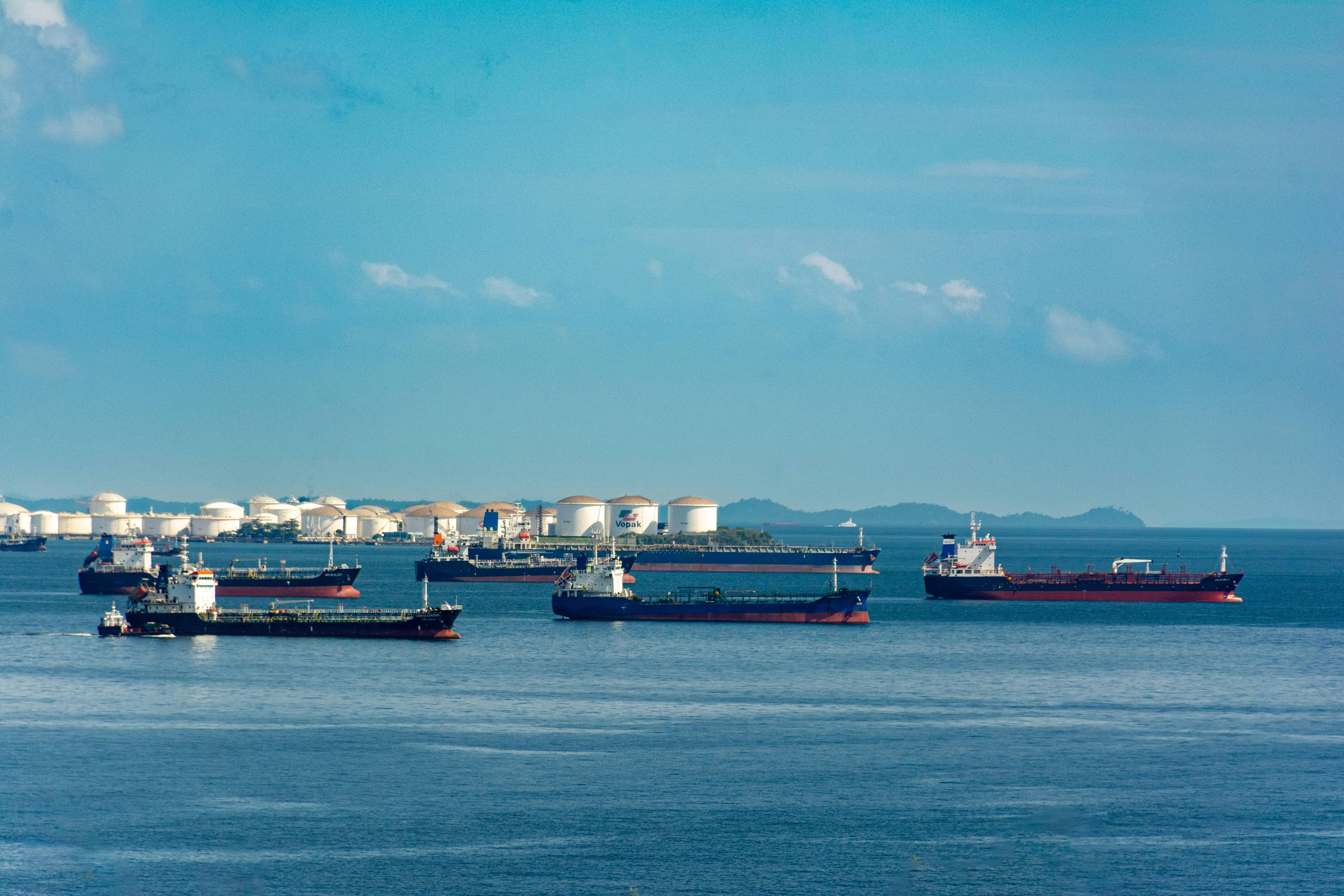
- More than 150 tankers are anchored beyond the Strait of Hormuz, with captains refusing passage despite no physical blockade
- The strait handles approximately 20% of global oil and gas flows—roughly 21 million barrels daily
- Brent crude jumped 10% in early Asian trading before settling to 4% gain at $76.16 per barrel
- Ships rerouting around the Cape of Good Hope face 10-14 additional days and hundreds of thousands in extra costs
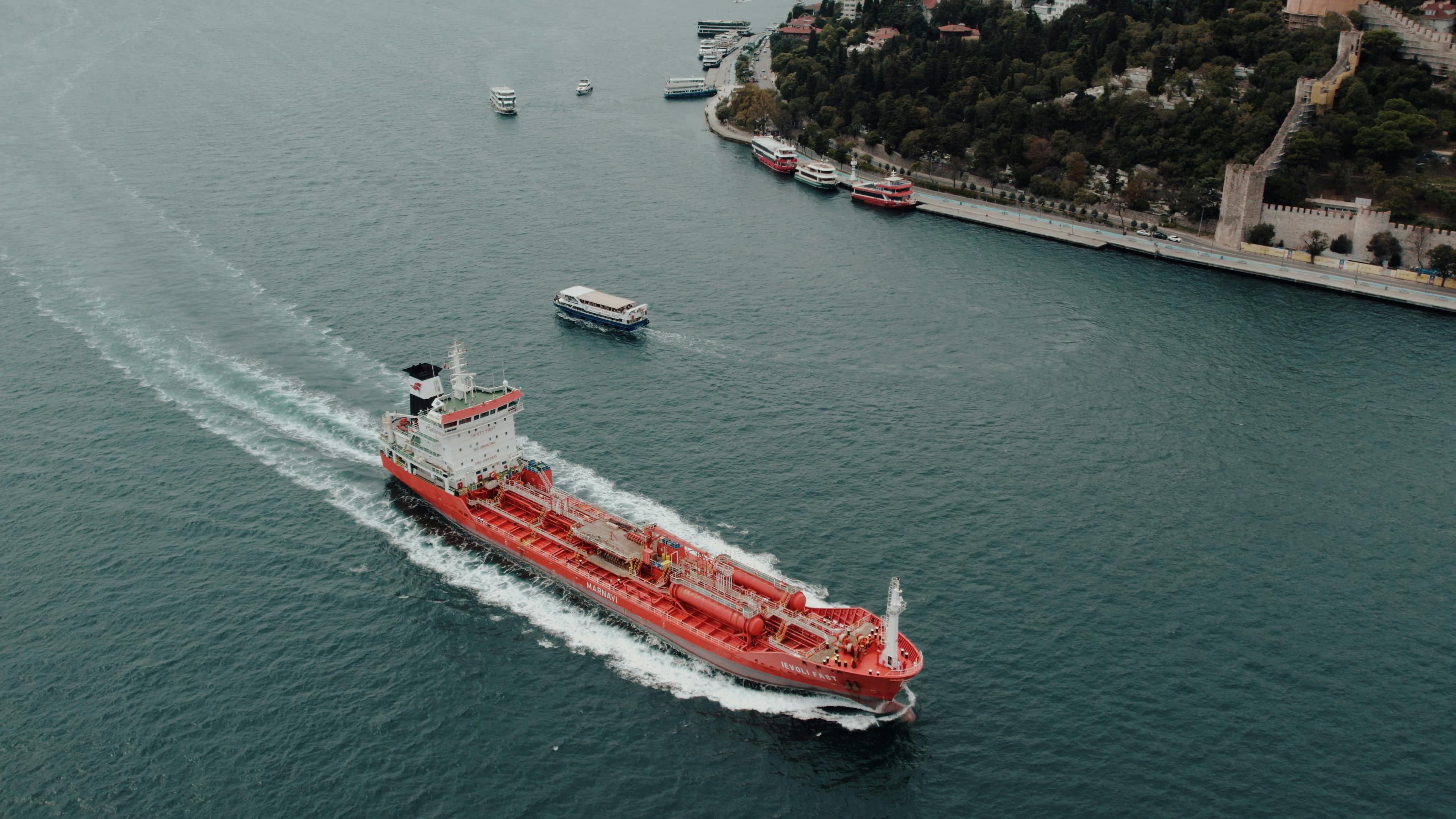
The Strait of Hormuz remains technically open this morning, yet more than 150 tankers sit idle in open water, their captains unwilling to navigate the narrow passage between Iran and Oman. This is what a 21st-century economic blockade looks like—not mines or naval cordons, but insurance premiums that have climbed so high that major shipping companies would rather add fortnight-long detours around Africa than attempt the direct route. Iran's warning to vessels, combined with multiple reported weekend attacks, has achieved commercial paralysis through fear rather than force.
The waterway that handles a fifth of global oil flows hasn't been physically closed. Iranian and Chinese vessels have made the crossing today. Yet for most of the global shipping fleet, the calculation is brutally simple: the insurance maths no longer works.
The convoy question
Homayoun Falakshahi from ship-tracking platform Kpler put it plainly to broadcasters: 'Because of Iran's threats, the strait is effectively closed.' His firm's data shows those 150-plus anchored vessels represent a substantial portion of normal traffic through the chokepoint. A handful of Iranian and Chinese ships moving through hardly constitutes business as usual.
Enjoying this article?
Get stories like this in your inbox every week.
The insurance maths no longer works—major shipping companies would rather add 10-14 days and hundreds of thousands of dollars to each voyage around the Cape of Good Hope than attempt the direct route.
What happens next depends less on military developments than on whether underwriters can be persuaded to bring premiums back down to commercially viable levels. The US will almost certainly attempt to establish protected shipping corridors, probably with British and European naval support. Whether that proves sufficient to convince insurers—who have already spent two years pricing in elevated Red Sea risks—is another matter entirely.
Maersk's announcement that it would reroute via the Cape comes as the Danish shipping giant was only just beginning to normalise operations after Houthi attacks in the Red Sea forced similar diversions throughout 2023. For supply chains already operating with reduced resilience, the compounding effect of losing both the Suez and Hormuz routes simultaneously represents a genuine stress test. Ships that would normally reach European ports from Asia in 20-25 days are now looking at 35-40.
OPEC's symbolic gesture
The OPEC+ decision to increase output by 206,000 barrels per day appears designed more to signal concern than to materially offset potential disruptions. When you're talking about a waterway that handles approximately 21 million barrels daily, an extra 206,000 amounts to roughly 1% additional supply. The group clearly wants to be seen doing something.
Saul Kavonic, head of energy research at MST Marquee, noted that markets 'aren't panicking' because 'oil transport and production infrastructure hasn't been a primary target by any side.' That assessment feels accurate for now. But the distinction between targeted infrastructure strikes and a de facto closure through insurance-driven paralysis may not matter much to end consumers.
British motorists should watch pump prices closely over the coming fortnight. Edmund King, president of the AA, has warned that disruption will 'inevitably lead to price hikes', with magnitude and duration tied directly to conflict length. Petrol prices had only recently begun easing after the inflationary spike of 2022-23. A sustained closure of Hormuz traffic, even a commercial rather than military one, would reverse those gains quickly.
What actually happened
The fog around the weekend's incidents matters. Iran's Islamic Revolutionary Guards Corps claimed three UK and US tankers were 'struck by missiles and are burning.' Neither the British nor American governments have commented. The UK Maritime Trade Operations Centre confirmed two vessels were hit by unknown projectiles causing fires, and that an unknown projectile exploded in close proximity to a third.
Private maritime security firm Vanguard Tech reported incidents involving vessels flagged to Gibraltar, Palau, Marshall Islands and Liberia—a list that tells you more about the convenience flag system than actual ownership or cargo destination. The gap between Iran's dramatic claims and the more measured UKMTO reports suggests some combination of exaggeration and genuine confusion about what occurred. That uncertainty itself becomes a market factor.
The insurance industry doesn't wait for perfect information—underwriters are paid to price worst-case scenarios, and right now the worst case involves losing a $100 million vessel and its cargo.
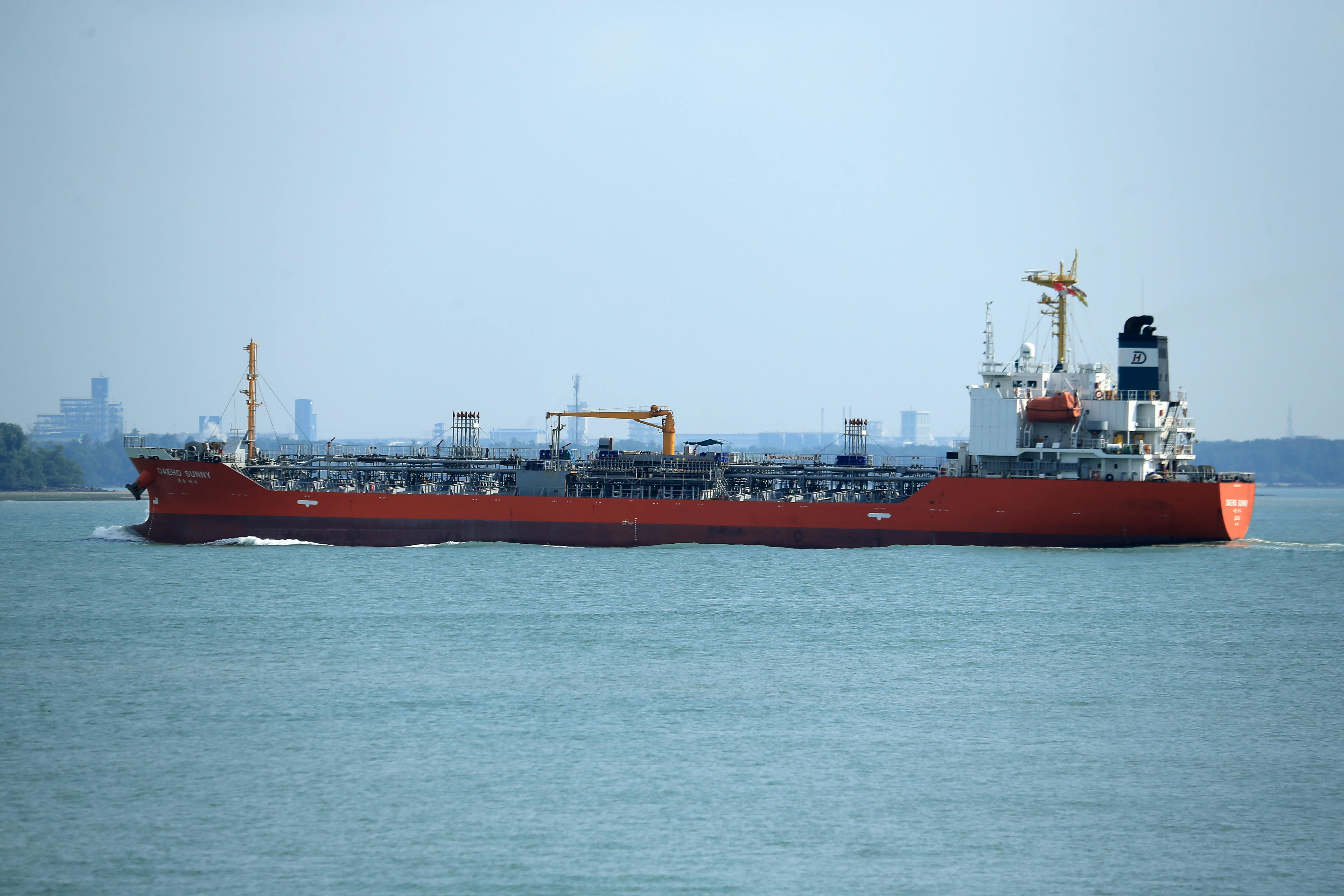
The insurance industry doesn't wait for perfect information. Underwriters are paid to price worst-case scenarios, and right now the worst case involves losing a $100 million vessel and its cargo in a waterway where multiple attacks have been reported and one regional power has explicitly warned ships away. Until that calculation changes—through credible naval protection, de-escalation, or simply time passing without further incidents—the commercial blockade will persist.
Some analysts warn oil could reach $100 per barrel in a prolonged conflict. Whether we get there depends less on what happens in the next 48 hours than on whether the shipping industry regains confidence in the next fortnight. The strait isn't closed, but the effective closure through elevated insurance premiums has created a commercial paralysis that makes the distinction academic.
- Watch for US-led naval convoy announcements within 72 hours—credible protection is the only realistic path to restoring commercial confidence and bringing insurance premiums down
- British pump prices will be the canary in the coal mine—expect movement within two weeks if the situation persists, feeding directly into inflation figures just as the Bank of England was gaining confidence
- The real test is whether insurers can be convinced, not whether the waterway is militarily passable—modern economic blockades operate through risk premiums rather than physical barriers

Co-Founder
Multi-award winning serial entrepreneur and founder/CEO of Venntro Media Group, the company behind White Label Dating. Founded his first agency while at university in 1997. Awards include Ernst & Young Entrepreneur of the Year (2013) and IoD Young Director of the Year (2014). Co-founder of Business Fortitude.
Comments
💬 What are your thoughts on this story? Join the conversation below.
to join the conversation.