Starmer Ignored Security Warnings on Mandelson. The Fallout Begins.
- Government documents show Keir Starmer received 150 pages of briefing materials warning of 'general reputational risk' surrounding Peter Mandelson before appointing him US ambassador
- Files explicitly detail Mandelson's relationship with Jeffrey Epstein continuing from 2009-2011, including a reported stay at Epstein's house whilst Epstein was in jail in June 2009
- National Security Adviser Jonathan Powell described the appointment process as 'unusual [and] weirdly rushed' according to released documents
- City AM polling indicated 60 per cent of respondents believed Starmer should resign over the appointment
The Prime Minister assured Parliament he was unaware of the extent of Peter Mandelson's relationship with convicted sex offender Jeffrey Epstein when he appointed him ambassador to Washington. Released government documents tell a different story. Files disclosed yesterday show Keir Starmer received explicit warnings from officials about what a due diligence memo described as 'general reputational risk' surrounding Mandelson.
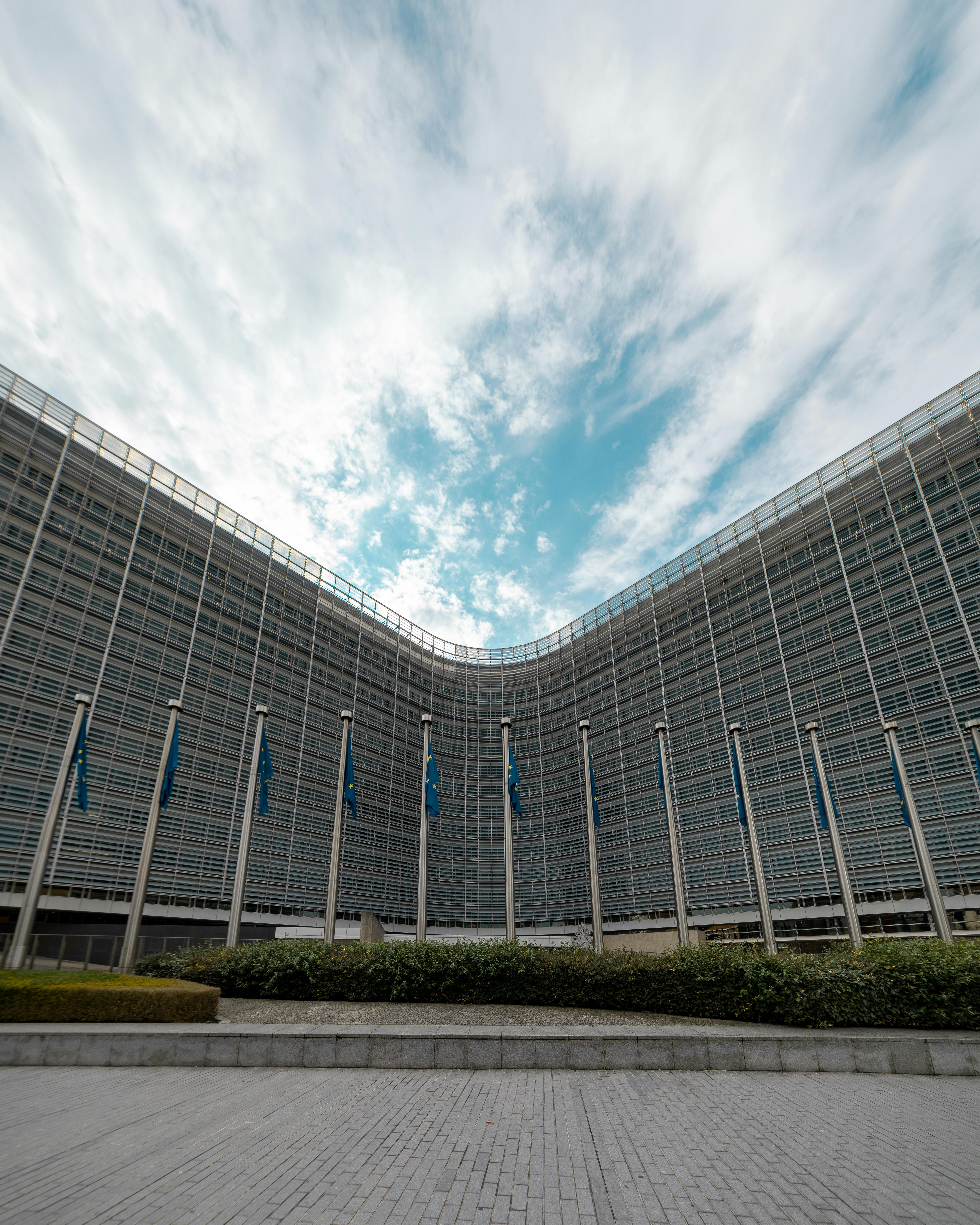
The paperwork, running to 150 pages, notes that 'after Epstein was first convicted of procuring an underage girl in 2008, their relationship continued across 2009-2011' and records that 'Mandelson reportedly stayed in Epstein's House while he was in jail in June 2009'. That information sat in front of Starmer before he stood at the despatch box in early February to address the controversy.
His Commons statement acknowledged awareness of the connection but maintained ignorance about its scope. The documentary record suggests his red box contained rather more detail than that framing implies.
Enjoying this article?
Get stories like this in your inbox every week.
When mandarins push back
What makes this more than another appointment row is who raised objections. Jonathan Powell, the National Security Adviser, described the process as 'unusual [and] weirdly rushed' according to the files. He wasn't alone in his discomfort. The Foreign Office's most senior civil servant also registered reservations about the selection.
These aren't junior officials lodging pro forma concerns. When someone with that weight of experience flags an ambassadorial appointment as procedurally abnormal, it warrants attention.
Powell spent a decade as Tony Blair's chief of staff and negotiated the Good Friday Agreement before returning to government in this administration. For two figures at that level to express doubts about a Washington posting, and for those doubts to be set aside, points to a significant breakdown in how this decision got made.
The role of ambassador to the United States carries particular sensitivity. Whoever occupies it becomes the British government's primary interlocutor with the world's largest economy and our most important security partner. Vetting for such positions typically involves multiple layers of scrutiny precisely to avoid the kind of controversy that has now materialised.

The timing question
The 'weirdly rushed' characterisation deserves scrutiny. Diplomatic appointments of this magnitude usually follow established protocols that allow for thorough background assessment and consultation across departments. Powell's assessment suggests those guardrails either didn't function or were bypassed.
The release of these files didn't happen voluntarily. Government resists document disclosure unless compelled by Freedom of Information requests or parliamentary pressure, and 150 pages arriving months after the appointment suggests sustained effort to prise them loose. That resistance itself raises questions about what Number 10 knew would emerge once the paper trail became public.
Polling conducted by City AM last month indicated that 60 per cent of respondents believed Starmer should resign over the appointment. That figure requires context around methodology and sample size, which hasn't been publicly detailed. But even accounting for uncertainty in any single poll, the direction of travel on public perception is clear.
What competent process looks like
The gap between what officials flagged and what happened anyway reveals something about decision-making culture in this government. Every administration faces moments when political judgment overrules official advice. Ministers are entitled to make final calls. But the pattern here suggests either that warning systems failed to escalate concerns effectively, or that those concerns reached decision-makers who chose to proceed regardless.
If Starmer genuinely remained unaware of details that were documented in briefing materials prepared for him, it points to a serious failure in how information flows upward.
Neither interpretation reflects well on the machinery of government. Senior officials don't typically waste time memoing trivia into red boxes. When they commit concerns to writing, it's because they judge those concerns material.
The alternative is that he absorbed the information but calculated that Mandelson's political experience and transatlantic connections outweighed the reputational baggage. That might be defensible as a judgment call, except it contradicts his subsequent parliamentary account of limited awareness.

The Mandelson appointment may yet prove effective in its core purpose. He possesses deep knowledge of trade negotiation and Washington power networks. But effectiveness doesn't retrospectively validate a compromised selection process, particularly when that process overrode specific warnings from the people charged with assessing security and reputational risk.
Parliament will likely demand further explanation once members digest the released files. The gap between February's Commons statement and yesterday's documentary evidence gives opposition parties material to work with. More immediately, it creates a precedent that weakens the government's position the next time it needs to defend an appointment against scrutiny. If warnings from the National Security Adviser can be set aside when politically convenient, what weight do institutional safeguards actually carry?
- The contradiction between the Prime Minister's parliamentary statement claiming limited awareness and the detailed briefing materials he received undermines government credibility on sensitive appointments
- Watch for parliamentary pressure demanding further explanation of why warnings from the National Security Adviser and senior Foreign Office officials were overridden
- This case establishes a troubling precedent that institutional safeguards designed to vet high-profile appointments can be bypassed when politically expedient, potentially weakening scrutiny processes for future controversial selections

Co-Founder
Multi-award winning serial entrepreneur and founder/CEO of Venntro Media Group, the company behind White Label Dating. Founded his first agency while at university in 1997. Awards include Ernst & Young Entrepreneur of the Year (2013) and IoD Young Director of the Year (2014). Co-founder of Business Fortitude.
Comments
💬 What are your thoughts on this story? Join the conversation below.
to join the conversation.