Energy bills will fall by £117 from April 2025, 22% less than the £150 reduction promised by Chancellor Rachel Reeves in November
Typical household will pay £1,641 annually for gas and electricity, with savings eroded by rising network maintenance costs
Collective household debt to energy suppliers exceeds £4bn, affecting millions still struggling from the 2022 energy crisis
Savings come primarily through lower electricity charges rather than gas, creating uneven benefits across different household types
The numbers don't quite add up. When Rachel Reeves stood before the Commons in November, she pledged a £150 reduction to household energy bills through a technical reshuffling of policy costs. Come April, the actual figure will land at £117—a shortfall of 22% that reveals the gap between political theatre and fiscal reality.
Ofgem will confirm the details at 07:00 on Wednesday, but the forecast from Cornwall Insight tells the story already: the typical household will pay £1,641 annually for gas and electricity from April, down from current levels but nowhere near the savings trumpeted during the Budget. The culprit? Rising network maintenance costs for power lines, cables and gas pipes are quietly eating into the policy savings that were meant to deliver the full promise.
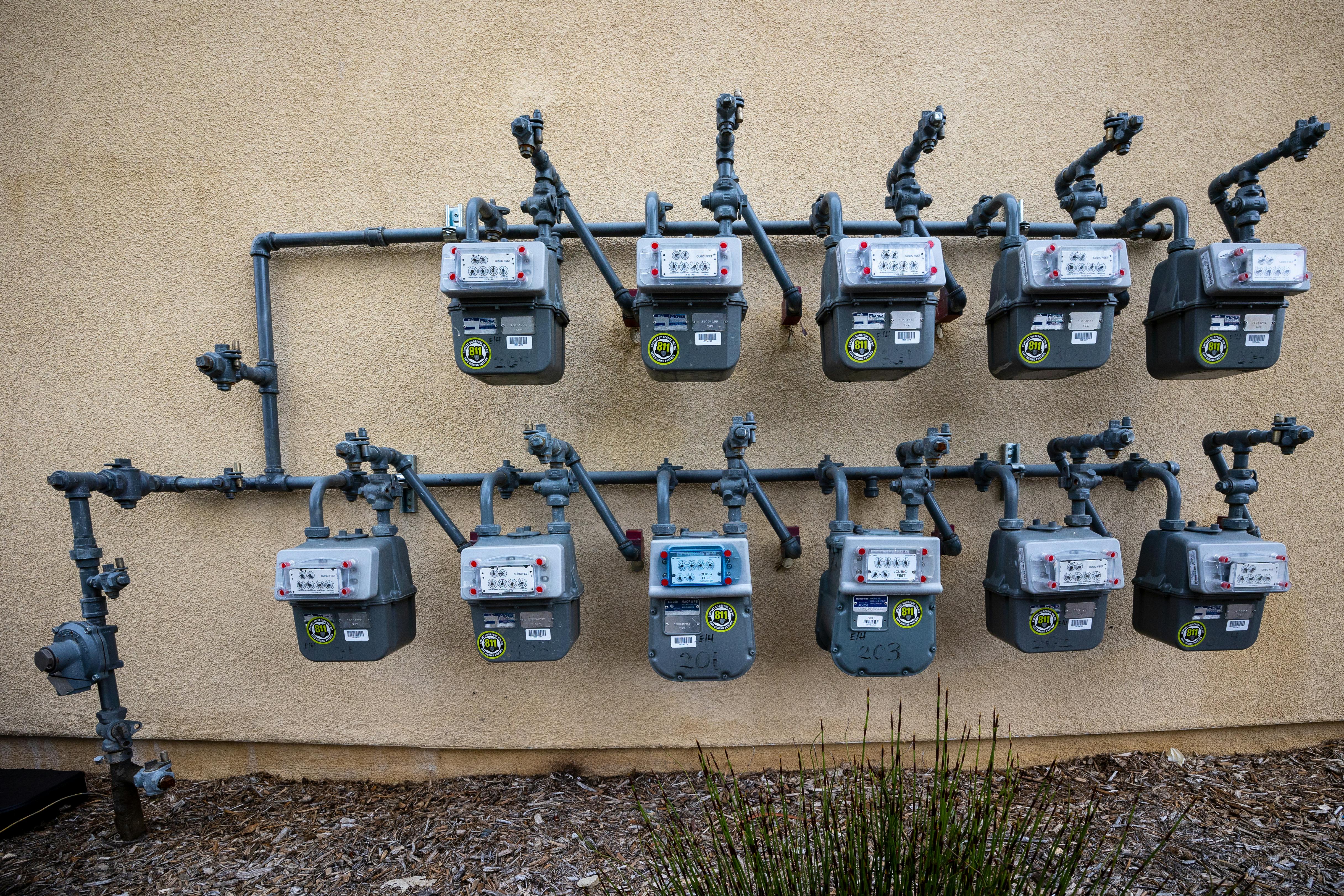
Energy meter displaying household consumption
The chancellor's original plan was straightforward enough. Scrap the Conservative-era Energy Company Obligation scheme and shift some energy levies onto general taxation. What she didn't advertise quite so loudly is that this amounts to fiscal sleight of hand—billpayers become taxpayers funding the same costs, just through a different pocket.
Enjoying this article?
Get stories like this in your inbox every week.
Winners and losers in the fine print
Here's where the technical restructuring gets interesting. The £117 figure represents an average, but households won't see anything close to uniform relief.
The reduction comes primarily through lower per-unit electricity charges rather than gas. Families running medical equipment or those with high electricity consumption will pocket the biggest cuts. Large households might see savings approach or exceed the promised £150. But single occupants or those who rely mainly on gas heating whilst keeping lights off? They'll barely notice the difference.
Collective household debt to suppliers has climbed well above £4bn since prices spiked following Russia's invasion of Ukraine in 2022—millions of households still drowning from the energy crisis whilst being told their bills are falling.
Richard Neudegg, director of regulation at Uswitch, suggests households could save an additional £200 annually by switching to fixed deals on top of the government changes. That claim deserves scrutiny. Fixed tariffs depend on wholesale market conditions, household credit ratings, and whether suppliers are actually offering competitive terms to customers carrying debt. For the 4 million-plus households already behind on payments, accessing those deals may prove impossible.
The April squeeze
Energy bills exist within an ecosystem of household costs, and April brings a coordinated assault on family budgets that makes the £117 saving look increasingly theoretical.
Calculator and financial documents showing household bills
Water bills will jump sharply across multiple regions as infrastructure investment costs land on consumers. Council tax increases will follow the usual above-inflation pattern. The timing isn't coincidental—April marks the traditional window for administrative price rises, creating a perfect storm of higher costs landing simultaneously.
Some households will see marginal relief through the scrapping of the two-child benefit cap, expanding universal credit payments to larger families. But the mathematics remain brutal for most: bills are falling from crisis levels whilst settling at rates still substantially higher than pre-2022 norms. Wholesale gas prices remain volatile and difficult to forecast, according to Cornwall Insight's projections, meaning further relief later in the year looks unlikely.
Energy suppliers insist they can provide support for struggling households through alternative tariffs, efficiency programmes and payment plans. Dhara Vyas, chief executive of Energy UK, emphasises that help is available—but only if households declare their circumstances. The implicit message: dealing with that £4bn debt mountain requires customer cooperation, even as suppliers sit on bad debt provisions that will ultimately be socialised across the customer base through higher standing charges.
The real cost of moving goalposts
What's revealing here isn't just the mathematical gap between promise and delivery. The government's approach exposes how energy policy functions as a shell game, moving costs between billing categories whilst the total burden on households remains largely static.
Power transmission lines and electrical infrastructure
Moving policy costs onto general taxation means funding them through income tax, VAT and other revenues. Households still pay, just less visibly. Meanwhile, network infrastructure costs—the unglamorous business of maintaining cables and pipes—continue rising regardless of which political party sits in Downing Street or which accounting category bears the expense.
The technical restructuring creates genuine redistribution between household types—medical equipment users and large families benefit disproportionately, whilst low-consumption households subsidise high-usage ones more than before.
Energy bills will fall from April, and suppliers will dutifully contact customers on fixed deals to explain the adjustments. The collective sigh of relief will be tempered by water bills landing through letterboxes, council tax demands arriving, and the quiet realisation that £117 annual savings translate to less than £10 monthly—barely noticeable against the sustained elevation in overall living costs since 2022. The political promise delivered a third less than advertised, but for millions still servicing energy debt, even the full £150 would have felt like rearranging deckchairs.
The £117 saving represents fiscal restructuring rather than genuine cost reduction—households pay the same costs through taxation instead of bills, creating an accounting illusion rather than material relief
April's coordinated price rises across water, council tax and other services will likely exceed energy savings for most households, making the net position worse despite government messaging
Watch for continued pressure on the 4 million households carrying energy debt—their inability to access competitive fixed deals whilst servicing arrears creates a two-tier market that policy changes fail to address
Multi-award winning serial entrepreneur and founder/CEO of Venntro Media Group, the company behind White Label Dating. Founded his first agency while at university in 1997. Awards include Ernst & Young Entrepreneur of the Year (2013) and IoD Young Director of the Year (2014). Co-founder of Business Fortitude.